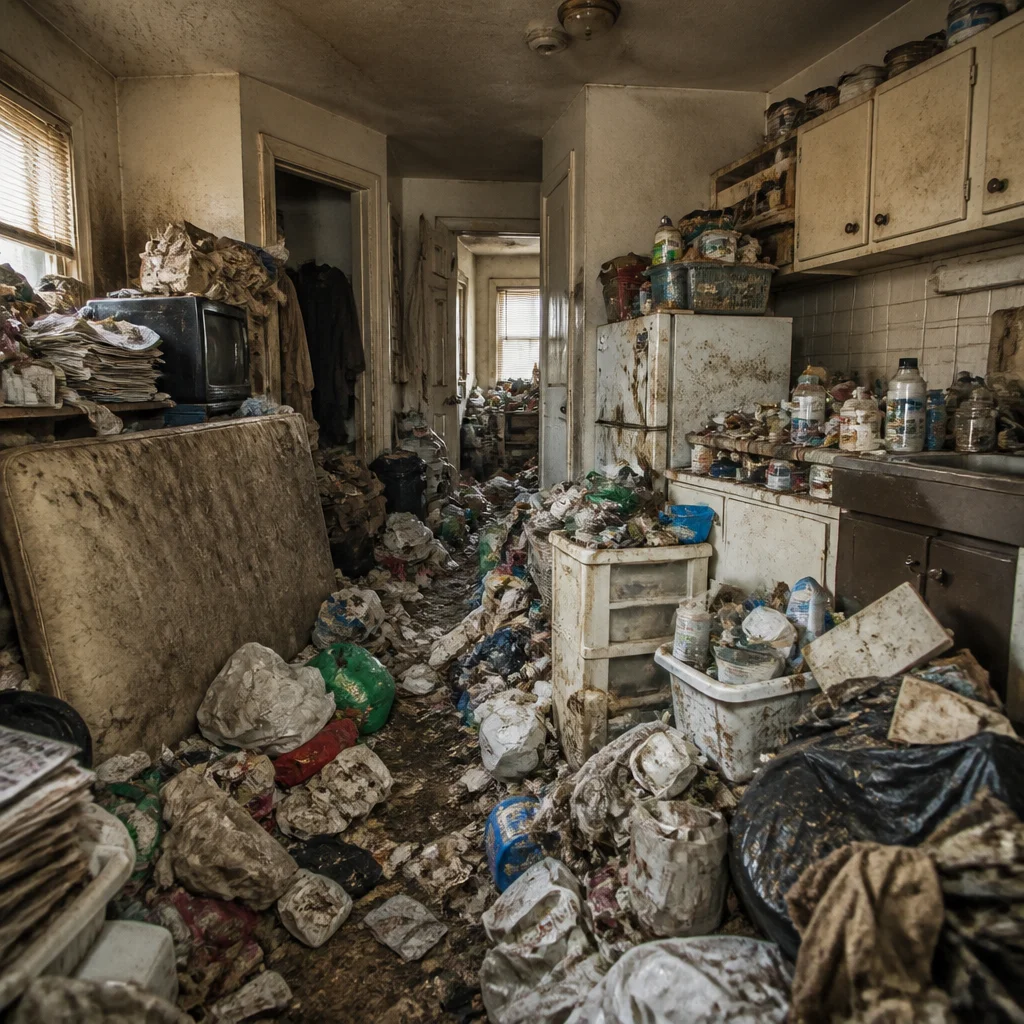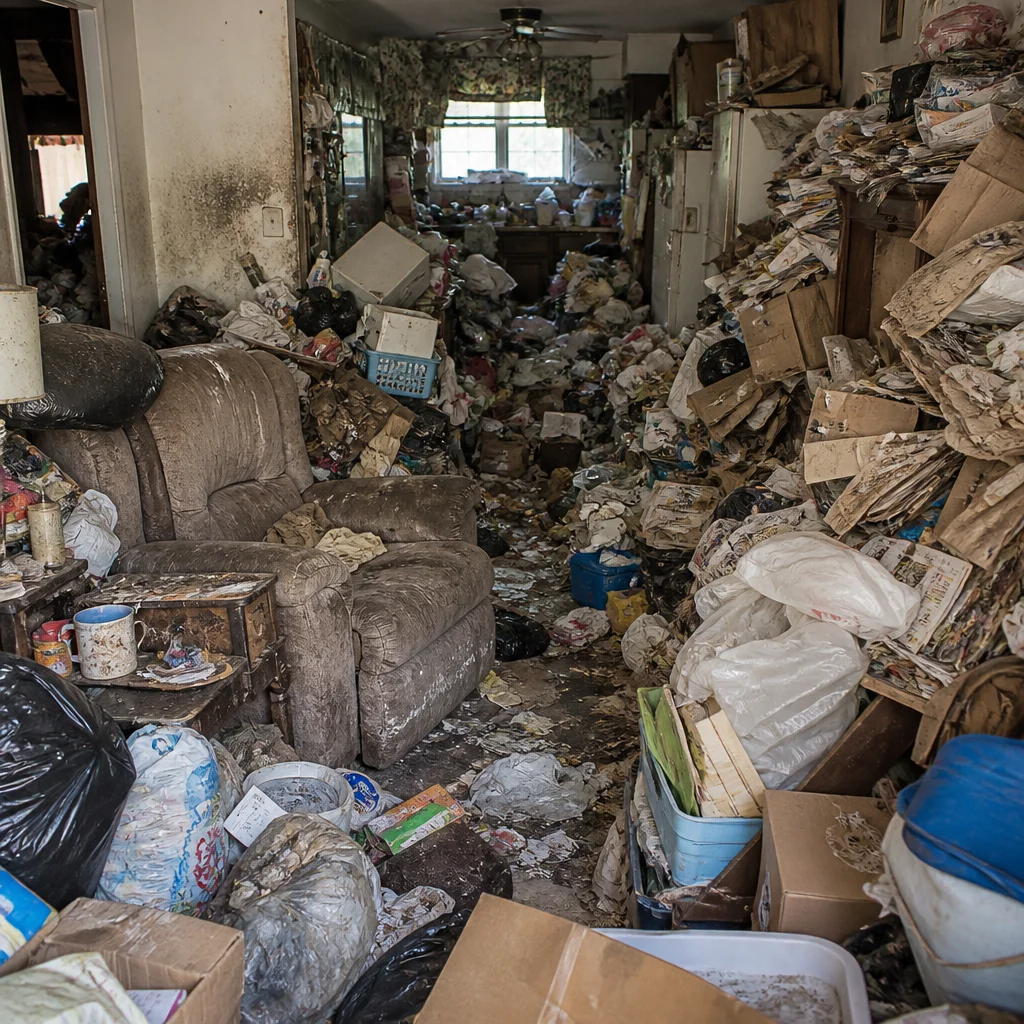

Organizing after a hoarding cleanup is the work of setting up a cleared home so it stays safe and usable once the removal crew has gone. It covers zone-by-zone sorting, simple storage systems, and the daily habits that keep clutter from building back up, and it is normally carried out by the resident with help from family or a professional organizer. Emergency Cleanings handles the hoarding cleanup stage that comes first, with a free assessment and a flat price locked after the on-site scope.
Restoring a home after a major cleanup can feel overwhelming, especially when emotions, safety concerns, and logistics all intersect. After a hoarding cleanup, the focus shifts from removal to rebuilding a functional, safe, and sustainable living space. This stage is just as important as the cleanup itself, because proper organization helps prevent relapse and supports long-term health and safety.
A structured approach ensures the space remains manageable while respecting the emotional weight tied to belongings. The steps below provide a practical, compassionate framework for moving forward.
Start With a Safety-First Mindset After Hoarding Cleanup
Before organizing begins, the environment must be confirmed safe for occupancy. Even after debris removal, hidden hazards can remain. These may include mold, pest residue, structural damage, or biohazards that require careful handling.
Start by evaluating key safety areas:
- Check for lingering odors that may indicate contamination
- Inspect floors and walls for moisture damage or instability
- Confirm that electrical outlets and appliances are functioning safely
- Ensure proper ventilation throughout the home
Addressing these concerns early reduces the risk of setbacks. In many cases, professional decontamination and final inspection processes help verify that the space meets health standards before reorganization begins. Once safety is established, organizing efforts can proceed with confidence and clarity.
Create Small, Manageable Zones for Hoarding Cleanup Recovery
Breaking the home into smaller zones prevents the process from becoming overwhelming. Large-scale organization often leads to decision fatigue, especially in environments previously affected by hoarding.
Start with one area at a time:
- Focus on essential spaces such as bedrooms, bathrooms, and kitchens
- Define clear boundaries for each zone
- Complete one zone fully before moving to the next
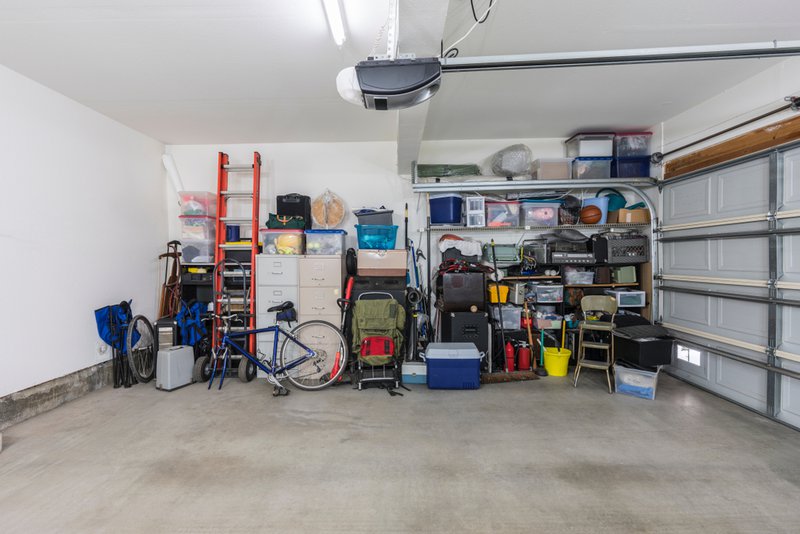
This method builds momentum while creating visible progress. It also allows individuals to adjust emotionally to the changes in their environment. Over time, these completed zones become anchors of stability, reinforcing new habits and routines.
Consistency matters more than speed. Even small improvements contribute to a healthier and more functional home.
Establish Clear Categories to Prevent Future Clutter
Organization after hoarding cleanup depends on strong categorization. Without clear systems, items can quickly accumulate again. Every object should have a defined purpose and place within the home.
Consider using simple, repeatable categories:
- Keep: Items used regularly or with clear practical value
- Donate: Usable items that no longer serve a purpose
- Discard: Broken, expired, or unsafe belongings
- Sentimental: Limited items with emotional significance
Limiting the size of each category is key. For example, assigning a single container for sentimental items helps maintain balance without eliminating meaningful belongings entirely.
Clear labeling and storage solutions further reinforce these categories. When everything has a designated space, daily maintenance becomes significantly easier.
Use Structured Storage Systems That Support Hoarding Cleanup Maintenance
Storage plays a critical role in maintaining progress after hoarding cleanup. The goal isn’t to hide items, but to create systems that are easy to use and sustain.
Effective storage strategies include:
- Transparent bins for visibility and accountability
- Open shelving for frequently used items
- Clearly labeled containers to reduce confusion
- Furniture with built-in storage to maximize space
Accessibility should guide every decision. If items are difficult to reach or put away, they are more likely to accumulate in visible areas. Simple systems encourage consistent use and reduce the likelihood of clutter returning.
Regularly reviewing stored items also helps prevent unnecessary buildup over time.
Build Daily Habits That Reinforce Hoarding Cleanup Progress
Long-term success depends on daily routines. Organization isn’t a one-time task, but an ongoing practice that requires consistency and awareness.
Helpful habits include:
- Setting a 10 to 15-minute daily reset to tidy key areas
- Returning items to their designated place after use
- Monitoring incoming items such as mail, purchases, or deliveries
- Scheduling weekly check-ins to reassess clutter levels
These routines create structure without adding pressure. Small, consistent actions help maintain order and reduce the risk of reverting to previous patterns.
Over time, these habits become second nature, supporting both physical organization and emotional well-being.
Address Emotional Attachment With Practical Boundaries
Emotional attachment is often one of the most challenging aspects of organizing after hoarding cleanup. Items may carry deep personal meaning, making it difficult to let go or set limits.
A balanced approach includes:
- Acknowledging the emotional value of belongings without judgment
- Setting clear boundaries for how much can be kept
- Using memory-focused alternatives such as photos or digital records
- Seeking support from trusted individuals when making decisions

Progress doesn’t require removing every sentimental item. Instead, it involves creating space for meaningful belongings while maintaining a safe and functional environment.
Patience is essential during this stage. Emotional readiness often develops gradually alongside physical organization.
Plan for Ongoing Support and Periodic Reassessment
Maintaining a clean and organized home after hoarding cleanup often benefits from continued support. This may include professional services, scheduled inspections, or structured check-ins.
Consider implementing:
- Monthly or quarterly walkthroughs to evaluate progress
- Professional cleaning or maintenance services as needed
- Clear communication among household members about expectations
- Contingency plans for addressing future accumulation early
Ongoing support provides accountability and reinforces positive habits. It also ensures that any signs of relapse are addressed quickly, before they escalate into larger issues.
A Safer, More Stable Home Starts With the Right Support
Organizing a home after a major cleanup requires more than effort. It requires structure, patience, and a clear plan that prioritizes safety and sustainability. From debris removal to long-term maintenance, every step plays a role in creating a healthier living environment.
At Emergency Cleanings, we provide comprehensive hoarding cleanup and emergency cleaning services designed to support every stage of recovery. Our process includes assessment, containment when needed, thorough cleanup, decontamination, and final inspection to ensure the space is safe and ready for use. We also coordinate with licensed and insured partners for specialized services, ensuring all work meets regulatory standards.
Frequently Asked Questions
Does the cleanup company handle the organizing too?
No. Emergency Cleanings does the cleanup itself, which covers removal, junk-out, decontamination and a final walkthrough. Ongoing organizing, coaching, and maintenance are a separate kind of work, usually handled by the resident, a family member, or a professional organizer. The crew leaves the home clear and safe so that stage can begin.
How fast can a crew get out to clean the home?
Same-day response is available in most areas. You get a two-hour arrival window and an ETA text when the technician is on the way. The work is done by local technicians who are vetted, licensed and insured, and the visit is kept discreet.
How is a hoarding cleanup priced?
The assessment is free and the price is a flat fee, locked in after a technician scopes the home on site. No hourly meter runs while the crew works. Financing is available, and a large job can be phased over more than one visit.
What happens to everything that gets hauled out?
Keepsakes and anything you flag stay with you and are set aside before removal begins. The rest leaves through junk removal and goes to the right disposal stream, with disposal records you can request afterward. Nothing is thrown out without your say-so.
Call Emergency Cleanings at 888-560-8488 for a same-day response. The assessment is free, a technician scopes the home on site, and your flat price is locked in before any work begins.