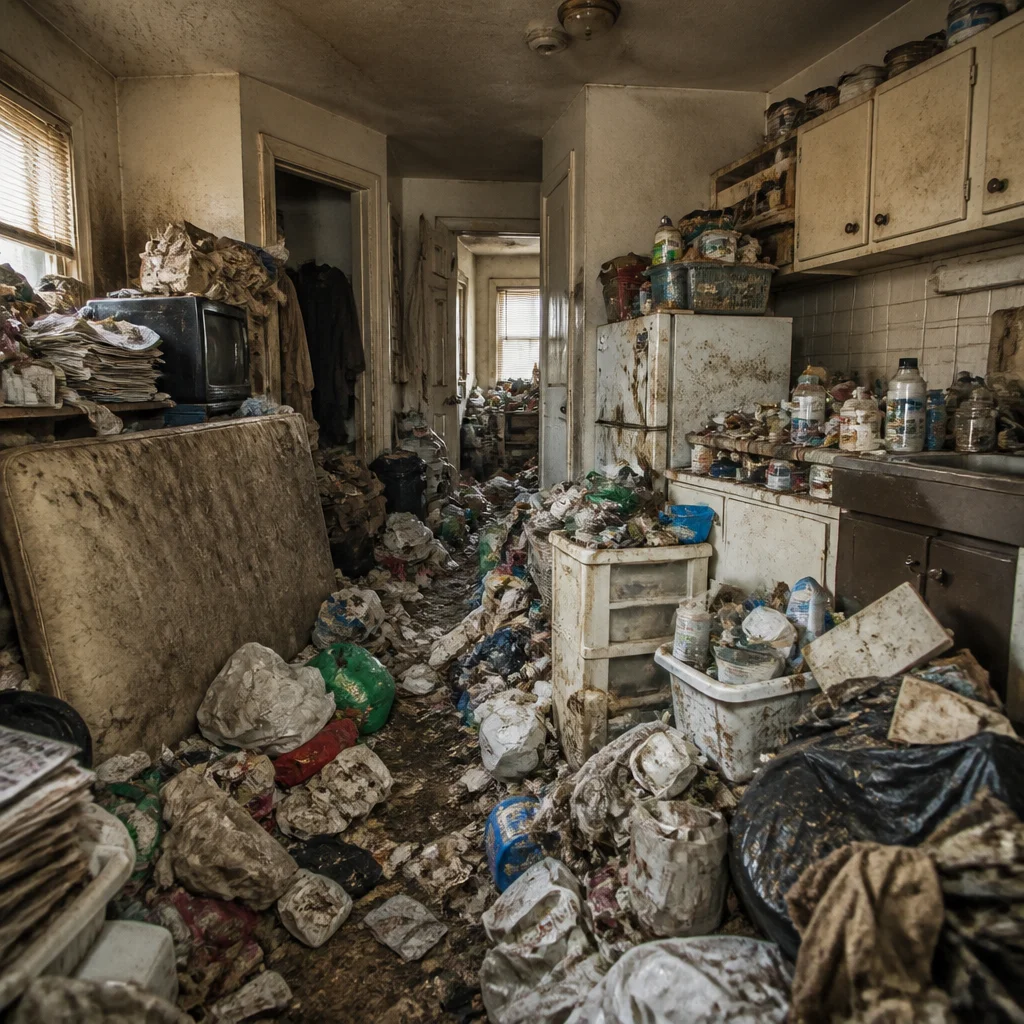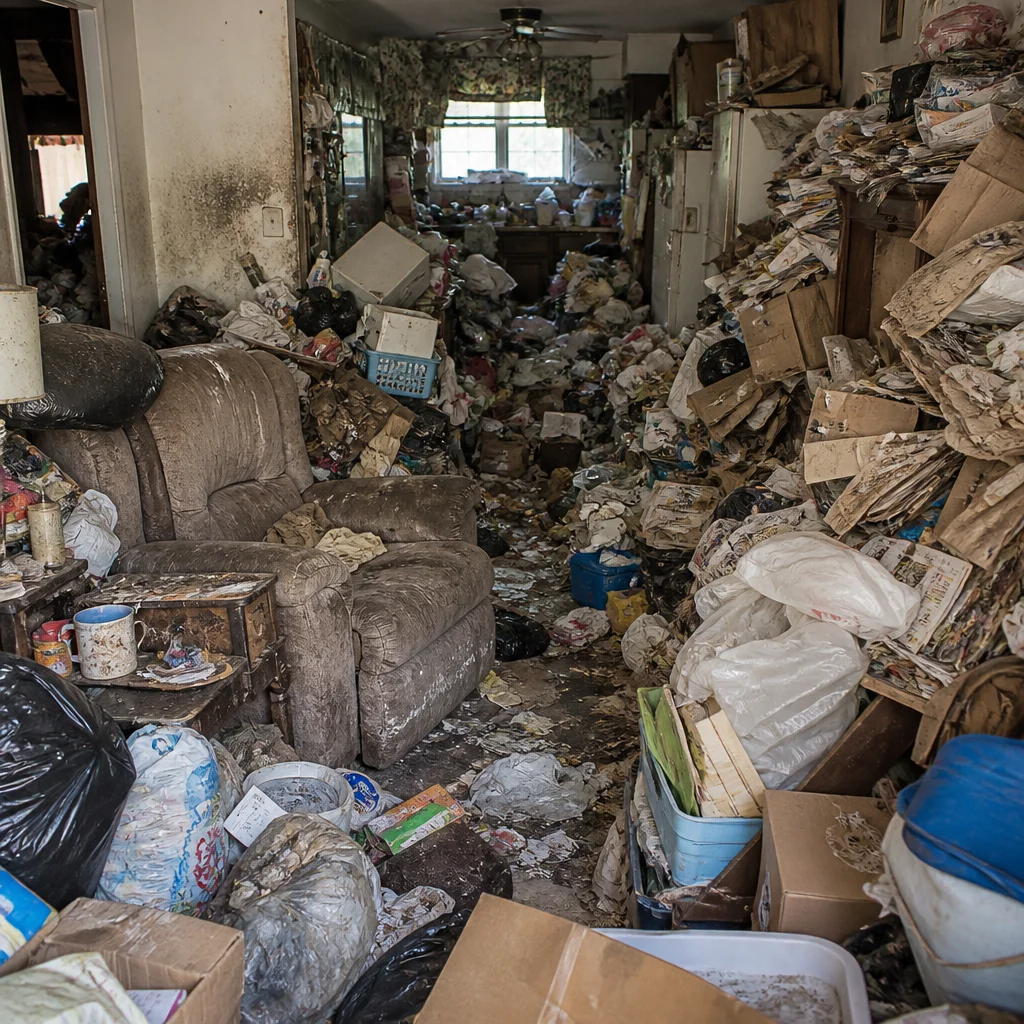

Hoarding and grief are often found together. After a death or another major loss, some people hold onto belongings because those objects carry a sense of the person or the stability that is gone, and the clutter can build until the home is no longer safe to live in. Emergency Cleanings handles the cleanup side of that through hoarding cleanup nationwide, with a free on-site assessment and a flat price locked in before any work starts.
Loss changes how people relate to the world around them. For some, that change takes the form of emotional withdrawal or fear of letting go. For others, it manifests in their living space, where personal possessions begin to pile up and take on new meaning. Understanding how trauma and loss can lead to hoarding behavior is key to addressing the problem with compassion rather than judgment and creating a safe path forward for healing.
The Connection Between Trauma and Hoarding Behavior
Many people associate hoarding with disorganization or laziness, but in reality, it is often rooted in unresolved trauma. Studies have found that individuals with hoarding disorder frequently report a history of loss, neglect, or abuse. The accumulation of possessions becomes a way to replace what has been taken or to fill the emotional emptiness that loss leaves behind.
Trauma disrupts a person’s sense of safety and control. When life feels unpredictable, possessions can provide comfort and predictability. Each item becomes a symbolic anchor, something tangible that cannot leave, die, or change unexpectedly. While these behaviors offer short-term relief, they can quickly evolve into dangerous clutter that isolates individuals from the support they need.
Hoarding driven by trauma is not about the objects themselves but about the emotions they represent. Recognizing this emotional connection is the first step toward meaningful recovery.

How Loss Fuels Emotional Attachment to Possessions
Loss, whether through death, divorce, or displacement, often triggers hoarding tendencies. For someone grieving, physical belongings can become stand-ins for loved ones or for the sense of stability they once had. Discarding items can feel like discarding memories or connections, creating immense emotional distress.
Before exploring specific ways loss influences hoarding behavior, it helps to understand that grief can distort the way people perceive value. Objects once ordinary begin to feel sacred or irreplaceable.
Common emotional responses to loss that contribute to hoarding include:
- Sentimental preservation: Keeping everyday items to preserve a connection with someone who has passed away.
- Fear of future loss: Holding onto possessions as a safeguard against more loss or change.
- Control through accumulation: Compensating for emotional instability by creating a sense of abundance and preparedness.
- Avoidance of grief: Using clutter to distract from emotional pain or delay confronting loss.
Over time, these emotional responses can create an environment where possessions replace human connection. What begins as comfort transforms into confinement.
Recognizing the link between grief and clutter allows intervention to be rooted in empathy, not pressure. The focus shifts from cleaning a home to helping a person rebuild a sense of safety and emotional stability.
The Role of Safety and Control in Hoarding Behavior
After trauma, many people feel powerless. Collecting and keeping items can restore a sense of authority over one’s environment. Each possession represents a decision, a piece of control reclaimed from the unpredictability of life. Unfortunately, the same behavior that brings relief at first can grow into a cycle of anxiety and avoidance.
When trauma survivors use possessions to feel safe, discarding those items can trigger panic. They may fear that letting go of objects will bring chaos or leave them exposed. This fear reinforces the compulsion to keep more, further intensifying the cycle of hoarding behavior.
The need for control is one of the most challenging aspects to address during cleanup. It requires patience, trust, and collaboration to ensure that the individual feels involved in every decision rather than powerless once again.
How Hoarding Affects Mental and Emotional Health
Hoarding behavior has serious effects on mental health. The same clutter that once provided comfort eventually becomes a source of stress, shame, and isolation. Living among piles of possessions restricts mobility, reduces light, and creates constant sensory overload. This can lead to anxiety, depression, and feelings of hopelessness.
Research has shown that individuals living in cluttered environments experience heightened levels of cortisol, the body’s primary stress hormone. The result is a feedback loop. Stress fuels clutter, and clutter fuels more stress.
Isolation compounds the problem. People may avoid visitors or social activities due to embarrassment about their living conditions. This withdrawal further deepens emotional distress, making it harder to seek help or begin recovery.
Recognizing how hoarding impacts mental health reframes cleanup from a simple act of organization into an act of emotional care.

Compassionate Cleanup as a Step Toward Healing Hoarding Behavior
While therapy addresses the emotional aspects of hoarding, professional cleanup restores safety and structure to the physical environment. Both are essential to recovery. The right approach helps individuals rebuild trust, confidence, and a sense of control without triggering shame or panic.
Before detailing how professional cleanup supports healing, it’s important to note that this process must always prioritize respect. Every item holds meaning, even when it poses a hazard, and cleanup must balance efficiency with sensitivity.
A trauma-informed cleanup typically includes:
- Assessment: Evaluating the extent of clutter and identifying hazards such as mold, pests, or structural damage.
- Planning: Establishing clear steps that include the individual’s input to maintain emotional comfort.
- Safe removal: Sorting items carefully, preserving valuables or sentimental objects whenever possible.
- Sanitization: Deep cleaning and disinfection to restore a safe, livable space.
- Restoration: Ensuring the home meets safety and health standards before final inspection.
Each stage helps rebuild trust, reestablish boundaries, and foster emotional readiness for continued healing.
Rebuilding Safety and Dignity After Trauma
Addressing trauma-linked hoarding requires patience, collaboration, and empathy. Recovery happens when both the home and the person are treated with care. Emotional healing cannot begin in unsafe conditions, and cleanup cannot succeed without emotional readiness. Both must move together.
At Emergency Cleanings, we provide professional hoarding cleanup that respects the emotional complexities behind every case. Our certified technicians follow a structured process to ensure homes are restored safely and compassionately. We work with licensed subcontractors for hazardous waste removal and hauling, ensuring compliance with all local, state, and federal regulations.
Frequently Asked Questions
Does grief cause hoarding?
Not by itself. Research on hoarding disorder often finds a history of loss or earlier hardship in the background, so grief is better understood as one thread among several rather than a single cause. What a cleanup crew sees is the result of that history, and the safest response to it is patience instead of pressure.
Does a professional cleanup treat hoarding disorder?
No. A cleanup restores a safe, sanitary home, and that is where it stops. The emotional side belongs with a licensed therapist or counselor, and the two kinds of help work better alongside each other. Emergency Cleanings takes care of the property so the person can keep working on the rest.
What happens to sentimental items during a hoarding cleanup?
Nothing leaves the house behind the resident’s back. Crews sort with the resident or the family in the room, set aside keepsakes and anything of value, and ask before a questionable item goes. For the material that is hauled away, there are disposal records you can request.
How does pricing work for hoarding cleanup?
A technician walks the property and scopes the job first, and that assessment is free. You then get one flat price, locked before work begins, so the number does not move partway through. Financing is available, and a large job can be phased room by room when that suits the household better.
For those affected by trauma and loss, recovery begins with reclaiming safety and control. Call Emergency Cleanings at 888-560-8488 for a same-day response. The assessment is free, a local technician scopes the work on site with you, and the flat price is locked in before anyone starts.