Biohazard cleanup regulations are the federal and state rules that govern how blood, bodily fluids, and other potentially infectious materials are contained, cleaned, and disposed of after a trauma scene, an unattended death, or a sewage release. The one property managers meet first is OSHA’s Bloodborne Pathogens Standard, 29 CFR 1910.1030, which sets exposure control plans, training, and protective equipment for anyone whose job may put them in contact with those materials. Emergency Cleanings works to those standards nationwide and locks a flat price after a free on-site scope.
When a space has been exposed to hazardous materials, restoring it requires more than visible cleaning. Biohazard cleanup involves addressing contaminants that are often invisible, including pathogens, airborne particles, and chemical residues that can pose serious risks to health and safety.
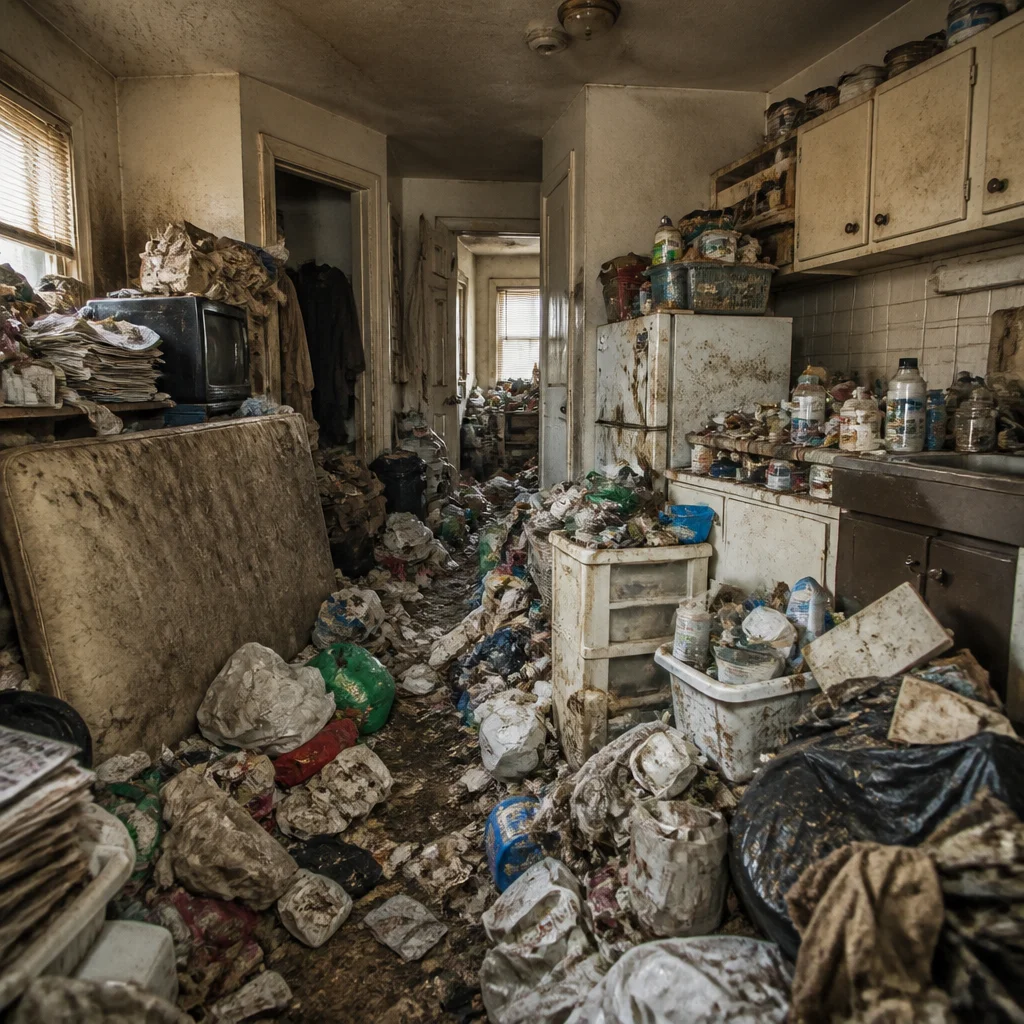
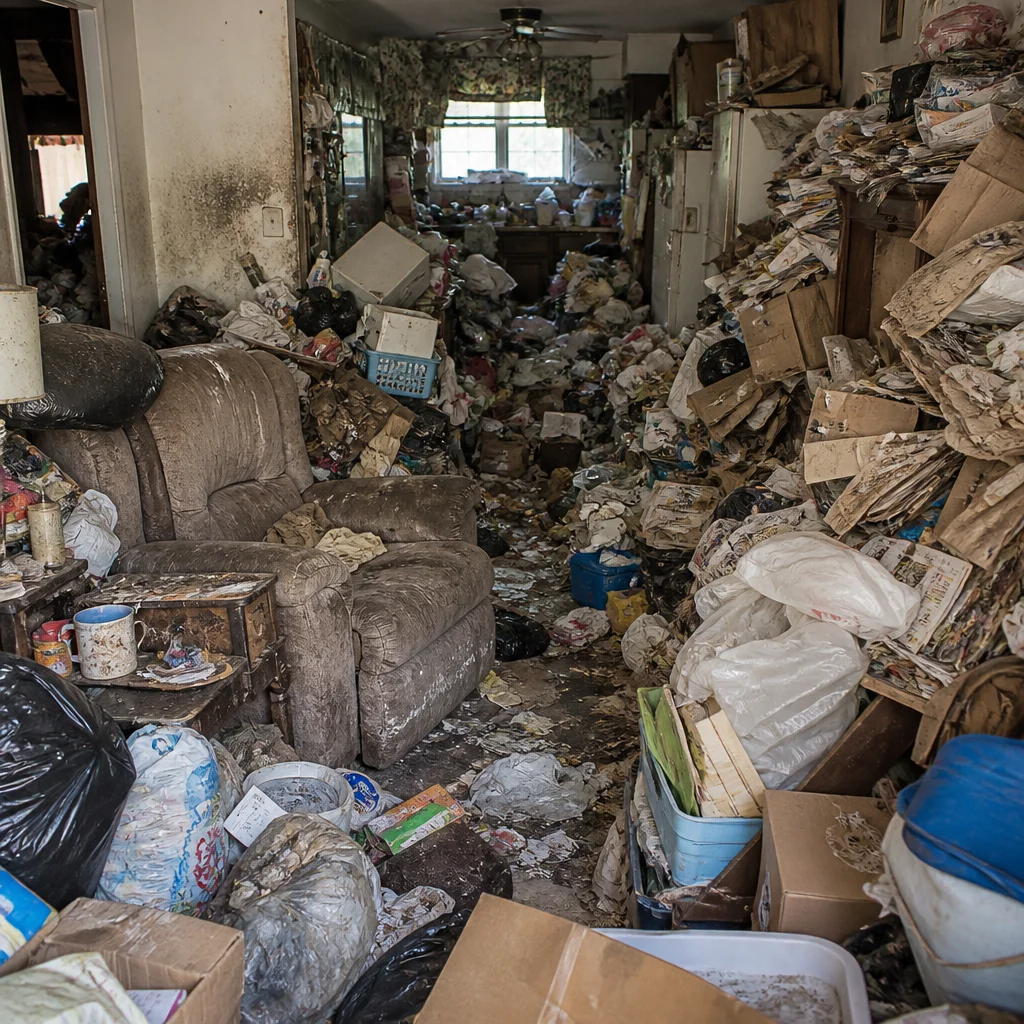
Situations such as trauma scenes, severe hoarding conditions, or sewage contamination introduce complex hazards that standard cleaning methods can’t resolve. Proper remediation depends on strict compliance with federal guidelines and industry standards. These protocols ensure that a space isn’t only cleaned but also safe for future use.
Why Compliance Matters in Biohazard Cleanup
Biohazard cleanup carries risks that extend beyond the immediate environment. Bloodborne pathogens, bacteria, and mold spores can linger on surfaces or in the air long after the visible source has been removed.
Without proper handling, exposure can lead to infections, respiratory issues, and long-term health concerns. Compliance with established standards provides a framework for eliminating these risks. It ensures that every step of the cleanup process is performed with safety, accuracy, and accountability in mind.
OSHA, EPA, and CDC Standards
Several regulatory bodies provide guidelines that shape how biohazard cleanup is performed. These organizations establish the protocols that professionals must follow to protect both workers and occupants.
The Occupational Safety and Health Administration (OSHA) sets requirements for handling bloodborne pathogens under its Bloodborne Pathogens Standard. This includes the development of exposure control plans, proper training, and access to protective measures for workers. These guidelines are designed to reduce the risk of infection during cleanup activities.
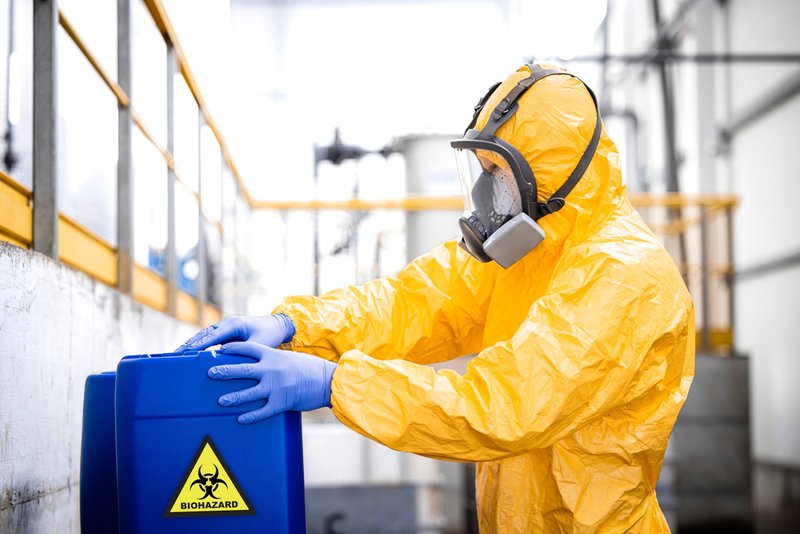
The Environmental Protection Agency (EPA) plays a key role in determining which disinfectants are effective against specific pathogens. Only EPA-registered products with verified kill claims are approved for use in biohazard remediation. This ensures that harmful microorganisms are properly neutralized rather than simply reduced.
The Centers for Disease Control and Prevention (CDC) provides additional guidance through standard precautions for handling biological materials. These precautions assume that all potentially contaminated materials carry risk, reinforcing the need for consistent safety practices throughout the cleanup process.
Personal Protective Equipment in Biohazard Cleanup
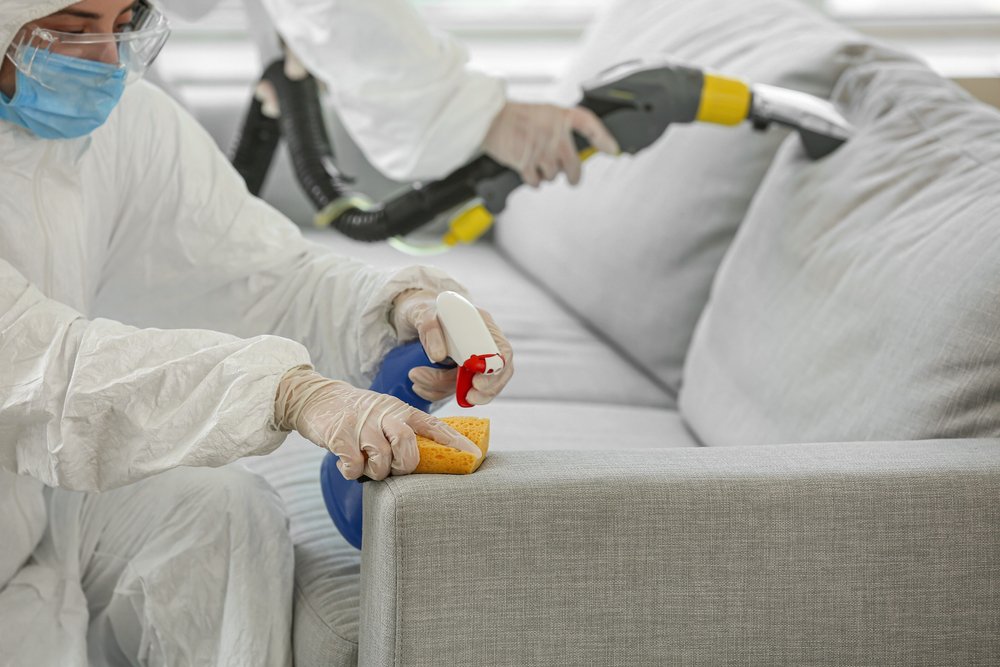
Protective equipment serves as a critical barrier between cleanup crews and hazardous materials. The level of protection used depends on the severity of the contamination and the type of hazards present.
In many cases, workers wear fluid-resistant suits that prevent direct contact with contaminants. Respiratory protection is also essential, particularly in environments where airborne particles or harmful gases may be present. Properly fitted masks or respirators help reduce inhalation risks.
An important aspect of using protective equipment is the process of putting it on and removing it safely. Improper removal can lead to cross-contamination, which is one of the most common risks during cleanup. Following established procedures ensures that protection remains effective from start to finish.
Containment and Environmental Control in Biohazard Cleanup
Preventing contamination from spreading is a key priority during biohazard cleanup. This is achieved through controlled containment and environmental management.
Affected areas are often isolated using physical barriers to create a defined workspace. This helps prevent hazardous materials from reaching other parts of the property. Air quality is also carefully managed, particularly when contaminants can become airborne.
High-efficiency filtration systems are commonly used to capture microscopic particles and improve air quality. In more severe situations, airflow may be controlled to ensure that contaminated air doesn’t move into unaffected areas. These measures help maintain a safe environment both during and after the cleanup process.
Chemical Standards in Biohazard Cleanup
The effectiveness of a cleanup depends heavily on the cleaning agents used. Not all disinfectants are capable of neutralizing biohazards, and using the wrong products can leave harmful pathogens behind.
Professional biohazard cleanup relies on disinfectants that are specifically approved for use against targeted microorganisms. These products are designed to break down bacteria, viruses, and other contaminants at a molecular level.
Another important factor is contact time. Surfaces must remain saturated with disinfectant for a specific duration to ensure complete decontamination. Rushing this process can reduce effectiveness and leave areas partially contaminated.
Waste Disposal Compliance in Biohazard Cleanup
Handling and disposing of contaminated materials is one of the most regulated aspects of biohazard cleanup. Improper disposal can pose risks to sanitation workers, the environment, and the public.
Biohazardous waste must be carefully packaged, labeled, and transported according to established guidelines. Materials contaminated with blood or bodily fluids are typically sealed in specialized containers that prevent leaks and exposure.
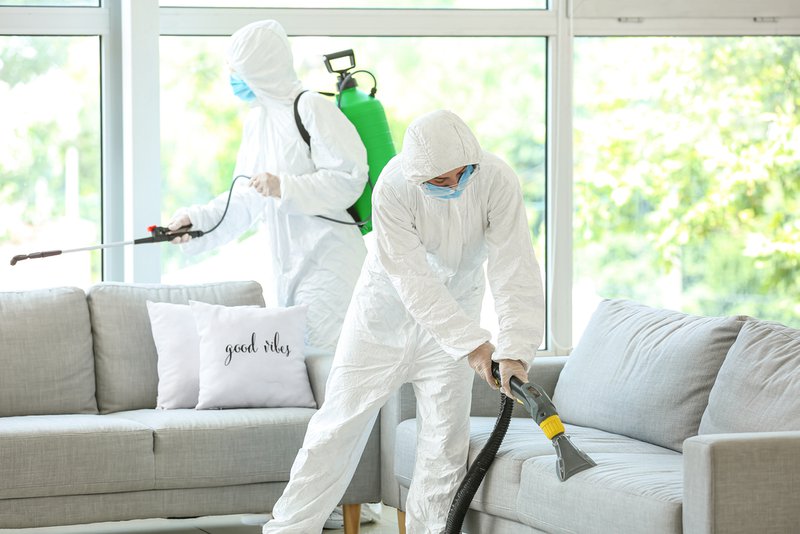
These materials can’t be disposed of through standard waste systems. Instead, they are transported by licensed carriers and processed at facilities equipped to handle hazardous waste safely. Maintaining a clear chain of custody ensures that materials are tracked from removal to final disposal.
Documentation and Verification in Biohazard Cleanup
Compliance doesn’t end with the physical cleanup. Documentation plays an important role in verifying that the process has been completed according to established standards.
Records may include details of the cleanup process, the materials used, and the methods of disposal. In many cases, a certificate of decontamination is provided to confirm that the space has been properly restored.
This documentation can be important for insurance purposes, property transactions, and ongoing liability protection. It provides assurance that the cleanup was handled professionally and in accordance with regulatory requirements.
Compliance Creates a Safer Outcome
Biohazard cleanup requires a level of precision and accountability that goes far beyond standard cleaning practices. From protective equipment and containment to chemical use and waste disposal, every step is guided by strict safety standards.
Frequently Asked Questions
What regulations apply to biohazard cleanup?
OSHA’s Bloodborne Pathogens Standard, 29 CFR 1910.1030, governs worker protection wherever blood or infectious material is present. EPA registration governs which disinfectants may be used against a given pathogen. Packaging and disposal of regulated waste fall to licensed carriers under state and federal rules.
Does the OSHA bloodborne pathogens rule cover urine and feces?
Not on its own. OSHA has stated that urine and feces are not covered by 29 CFR 1910.1030 unless they are visibly contaminated with blood. Heavy soiling still carries bacteria and parasites, so the work is done with protective equipment, containment, and proper disposal anyway.
Do trauma scene cleanup companies have to be licensed?
It depends on where the property is. Some states license or register trauma scene waste practitioners. Others have no specific program and rely on general waste and worker safety rules. Emergency Cleanings dispatches vetted, licensed, and insured local technicians who meet the requirements in their state.
What paperwork should a property manager ask for after a cleanup?
Ask for the written scope, the products and methods used, and disposal records you can request for waste that left the building. That file supports insurance claims and tenant questions.
How fast can a crew get on site?
Same-day response is available, and once a technician is assigned you get a two-hour arrival window plus an ETA text when they are en route. The assessment is free. If it is active, call instead of email and treat it as an emergency cleanup.
At Emergency Cleanings, we coordinate professional biohazard cleanup services that follow established compliance protocols to ensure safe and thorough remediation. Call 888-560-8488 for a same-day response. The assessment is free, a technician scopes the property on site, and the flat price is locked before any work begins.