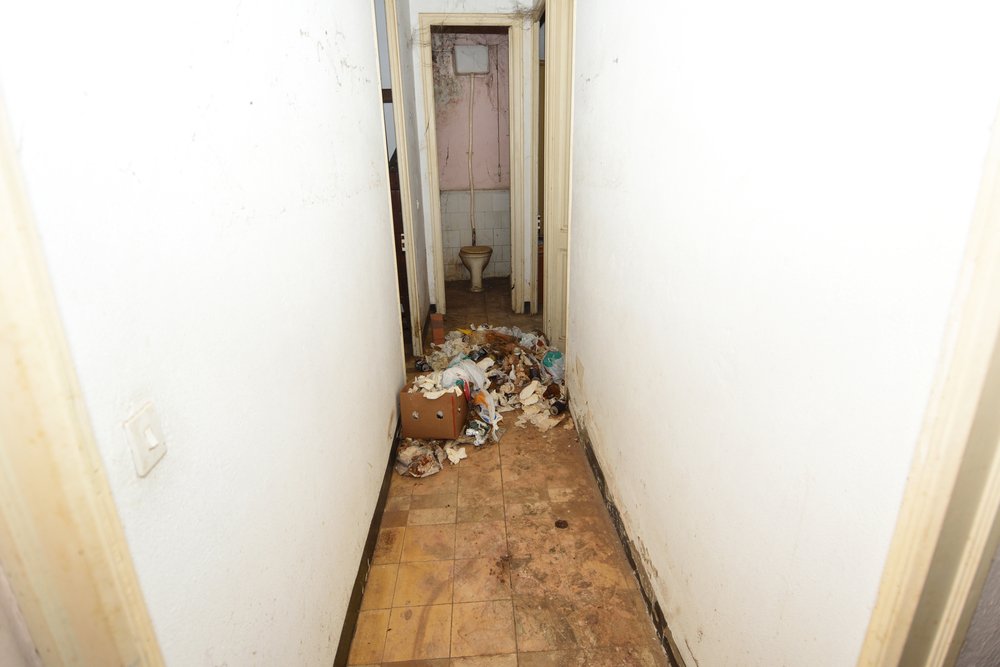
Emergency cleanup is professional removal, disposal, and disinfection for a property that has become a health hazard rather than just a mess. It covers blood and trauma scenes, unattended death, feces and urine, sewage backups, chemical spills, animal waste, and hoarding that blocks exits. Surface mold cleaning is covered. Deep mold mitigation, water damage drying, and fire restoration are not. Property managers call Emergency Cleanings for emergency cleanup service when a unit cannot be safely entered, and a licensed local technician scopes the job on site before a flat price is locked.
When a space becomes unsafe, overwhelming, or hazardous, it can be difficult to know what to do next. Emergency cleanup is often the turning point between a situation getting worse and a situation finally moving toward resolution, especially when health, safety, or structural risks are involved.
Many people assume cleanup simply means removing visible mess. In reality, certain conditions require specialized handling, protective equipment, and proper disposal procedures. Knowing what qualifies as an emergency and when to take action can prevent long-term damage, reduce health risks, and restore a safe environment faster.
What Qualifies as Emergency Cleanup
Not every cleaning situation is considered urgent, but certain conditions cross a threshold where professional intervention becomes necessary. Emergency cleanup typically involves environments that present immediate risks to health, safety, or property.
Common qualifying scenarios include:
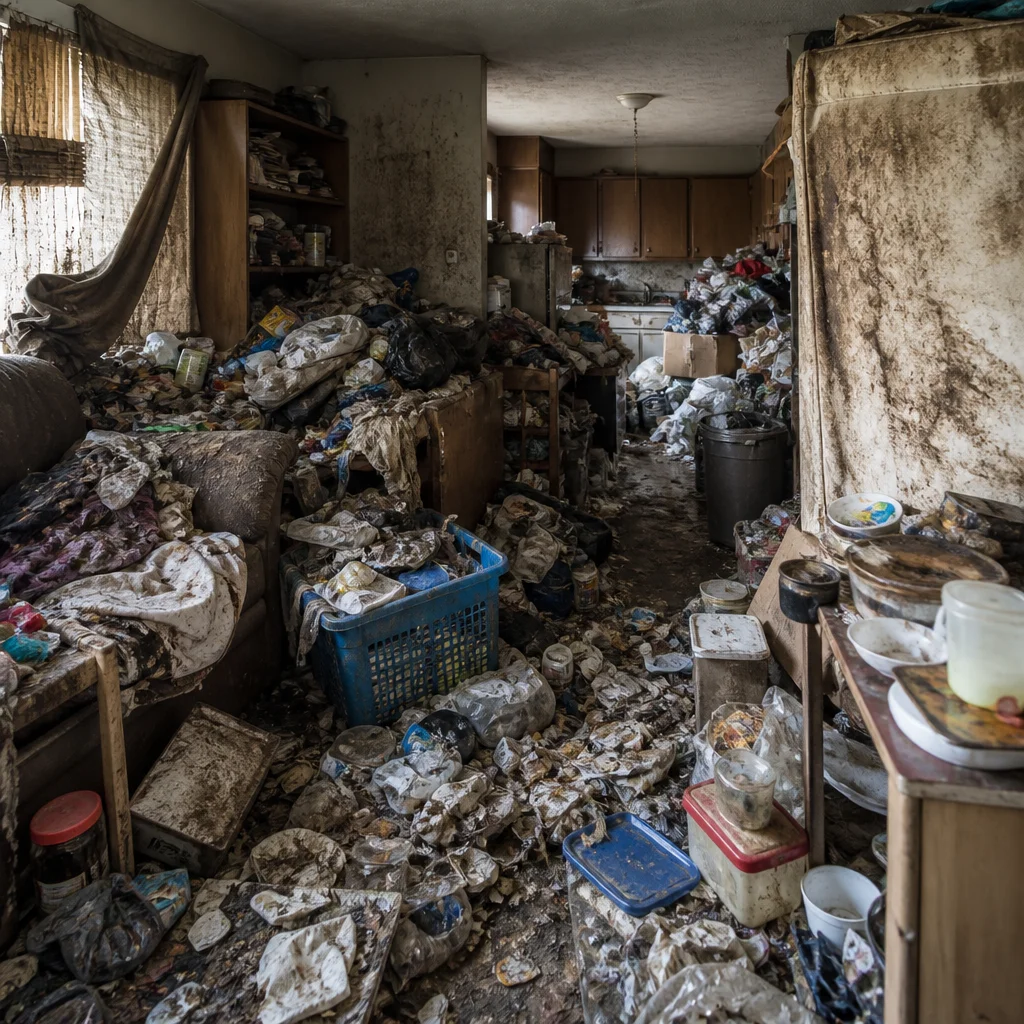
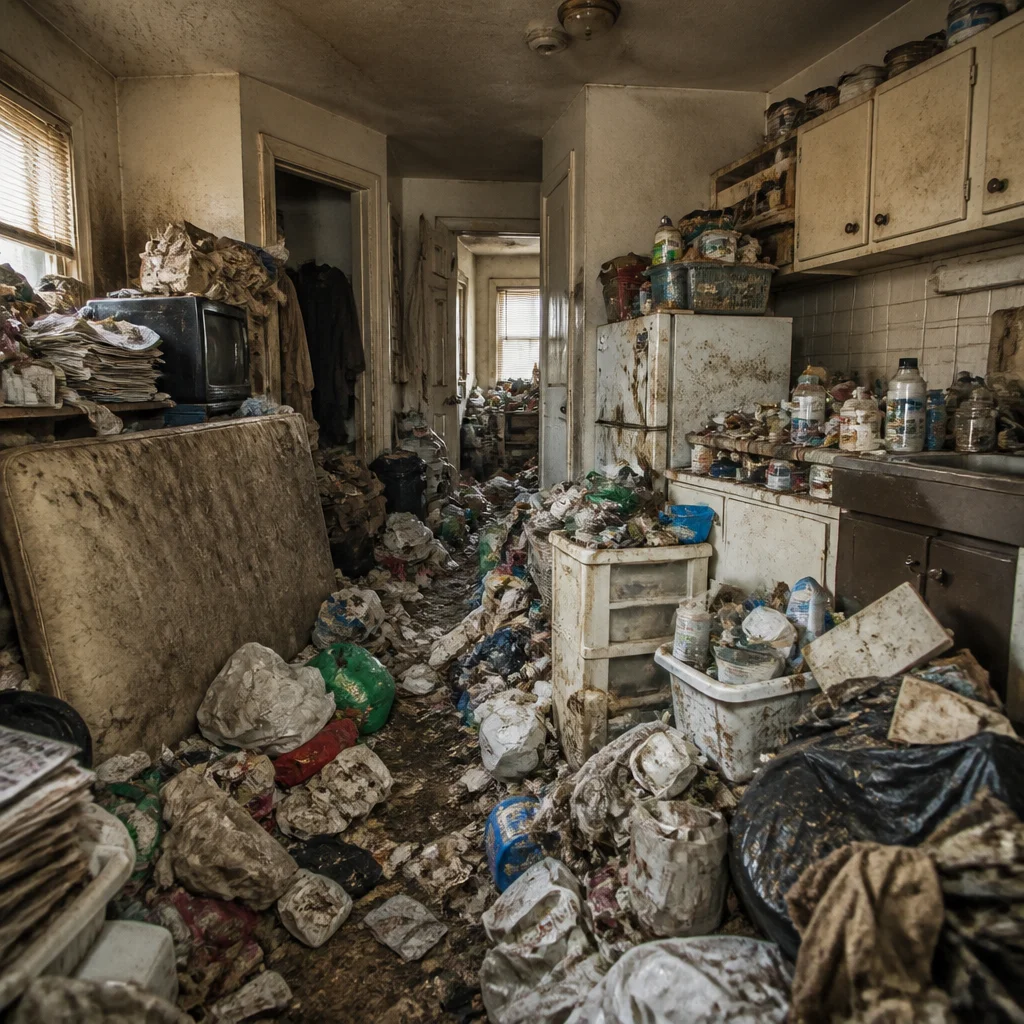
- Severe hoarding conditions that block exits, restrict movement, or create fire hazards
- Biohazard exposure such as feces, urine, blood, or bodily fluids
- Sewage backups or contaminated water intrusion
- After-death or trauma-related situations
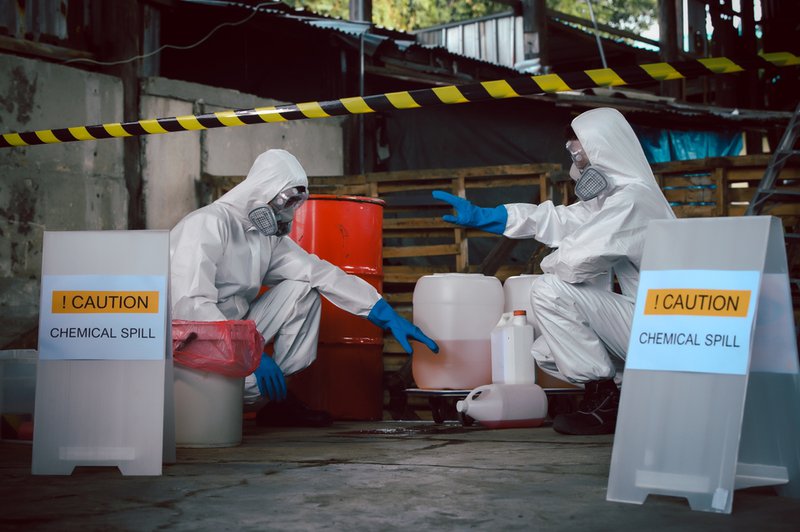
- Chemical spills or exposure to hazardous materials
- Rapidly worsening conditions that make a space unlivable
These situations often involve more than surface-level cleaning. Contamination can spread through porous materials, air quality can decline, and structural elements can become compromised. In these cases, delaying action increases both risk and cost.
Signs You Need Emergency Cleanup Immediately
Recognizing the early warning signs can help prevent escalation. Many situations begin gradually, but certain indicators signal the need for immediate attention.
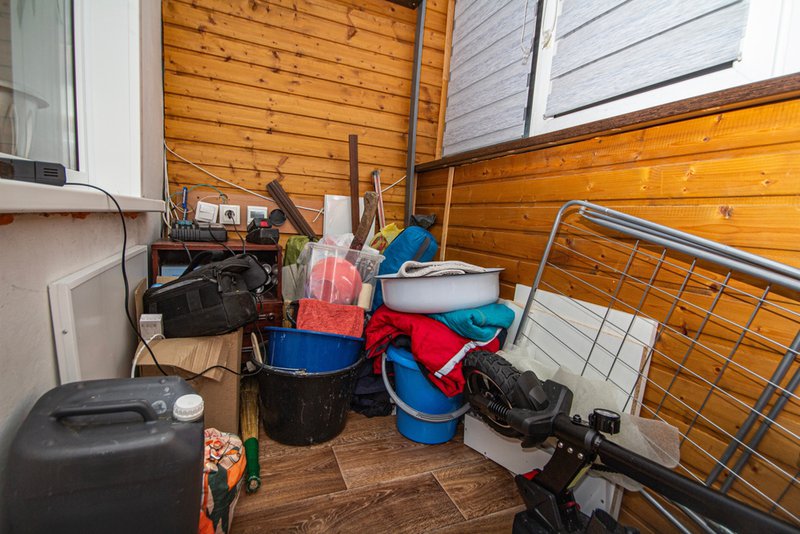
Look for signs such as:
- Strong, persistent odors that indicate contamination
- Visible waste buildup, including food waste or biohazards
- Insect or rodent infestations linked to unsanitary conditions
- Mold growth or moisture-related damage
- Blocked hallways, exits, or essential living spaces
- Health symptoms such as respiratory irritation or unexplained illness
These indicators often point to underlying hazards that can’t be resolved through standard cleaning methods. When multiple signs are present, the environment may already pose a serious risk.
Emergency Cleanup and Health Risks You Shouldn’t Ignore
One of the most important reasons to act quickly is the potential for serious health consequences. Emergency cleanup situations frequently involve biohazards that carry bacteria, viruses, and harmful toxins.
Exposure risks may include:
- Airborne contaminants from mold or decomposing materials
- Pathogens found in human or animal waste
- Chemical exposure from household or industrial substances
- Allergens and irritants that worsen respiratory conditions
Exposure to unsanitary environments can increase the likelihood of infections, respiratory issues, and long-term health complications. These risks are amplified in enclosed spaces where ventilation is limited.
Professional cleanup processes address these concerns through containment, proper removal, and thorough disinfection. This ensures that hazards are not only removed but also prevented from spreading further.
Emergency Cleanup vs Standard Cleaning
Understanding the difference between routine cleaning and emergency cleanup is key to making the right decision.
Standard cleaning typically involves:
- Surface-level cleaning and organization
- Routine sanitation
- Maintenance of already safe environments
Emergency cleanup involves:
- Removal of hazardous materials
- Biohazard handling and disposal
- Deep cleaning and disinfection of contaminated areas
- Use of protective equipment and specialized tools
- Restoration of safe living or working conditions
Attempting to handle emergency-level situations without proper training can lead to further contamination or personal exposure. In many cases, what appears manageable on the surface involves hidden risks beneath.
What Happens During an Emergency Cleanup Process
Knowing what to expect can make the decision to seek help feel more manageable. A structured approach ensures that the cleanup is thorough, safe, and effective.
A typical emergency cleanup process includes:
- Assessment of the environment to identify hazards and scope
- Containment of affected areas to prevent cross-contamination
- Removal and proper disposal of hazardous materials
- Deep cleaning and disinfection using professional-grade solutions
- Final inspection to confirm the space is safe and restored
In situations involving hoarding or sensitive circumstances, the process may also include careful sorting to preserve important or valuable items. This approach balances safety with respect for personal belongings.
When to Call for Emergency Cleanup Instead of Waiting
Delaying action is one of the most common reasons situations worsen. Many people wait until conditions feel unmanageable, but earlier intervention often leads to better outcomes.
You should consider calling for emergency cleanup when:
- The environment feels overwhelming or unsafe to handle alone
- There is visible or suspected biohazard contamination
- The situation is affecting health, safety, or daily living
- Conditions are spreading or impacting other areas
- Previous cleaning attempts haven’t resolved the issue
Taking action early reduces the scope of the cleanup and limits long-term damage. It also helps restore a sense of control during what can feel like a stressful situation.
How Emergency Cleanup Supports Long-Term Recovery
Emergency cleanup isn’t only about addressing immediate hazards. It also plays a role in preventing recurrence and supporting long-term stability.
A properly handled cleanup can:
- Eliminate sources of contamination
- Improve air quality and overall health conditions
- Restore functionality to living or working spaces
- Reduce the likelihood of future hazards
In situations involving hoarding or prolonged neglect, cleanup can serve as the first step toward creating a safer and more manageable environment moving forward.
Knowing When to Act Makes All the Difference
Recognizing when a situation qualifies for emergency cleanup can protect both people and property from serious harm. From biohazards and structural risks to overwhelming living conditions, these situations require more than standard cleaning methods to resolve safely and effectively.
Frequently Asked Questions
What qualifies as an emergency cleanup?
A job qualifies when the property holds a biological, chemical, or sanitation hazard that ordinary cleaning cannot make safe. The list is blood and trauma scenes, unattended death, feces and urine, animal waste, sewage backups, chemical and oil spills, hoarding that blocks exits, and unsanitary encampment or junk-out conditions.
Does Emergency Cleanings handle mold, water damage, or fire restoration?
No. Mold remediation, water damage drying, and fire and smoke restoration are separate trades and we do not perform them. We do not do plumbing repair either, so a broken line needs a plumber first. We handle the contamination and the disposal that follows.
How fast can someone get to the property?
Same-day response is standard. You get a two-hour arrival window and a text with the technician’s ETA once they are en route. Coverage is nationwide through vetted, licensed, insured local technicians, so the crew is usually already in your market.
How does pricing work on an emergency cleanup?
The assessment is free. A technician walks the property, scopes the real conditions, and a flat price is locked before work begins, so the number does not move once the crew starts. Financing is available, larger jobs can be phased across units, and disposal records are available on request.
At Emergency Cleanings, we understand that these situations are often sensitive and difficult to navigate. Our team coordinates fast, discreet, and compassionate cleanup services, handling everything from hazardous material removal to full decontamination. Call 888-560-8488 for a same-day response. The assessment is free, a technician scopes the work on site, and your flat price is locked before anyone starts.