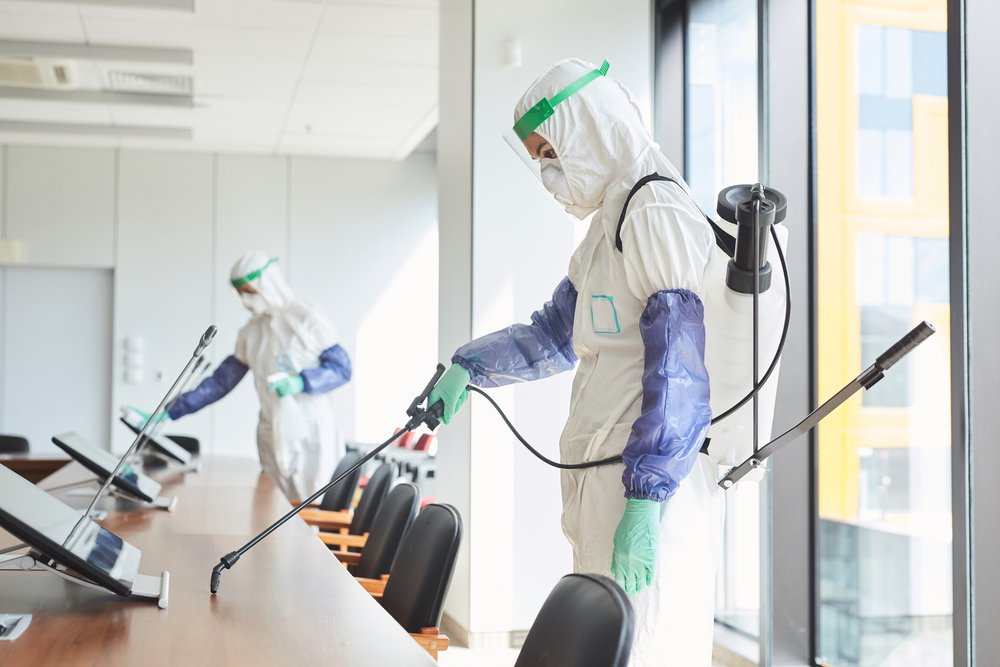
DIY biohazard cleanup risks are what a homeowner takes on by handling blood, bodily fluids, human or animal waste, or decomposition residue without training, containment, or a licensed disposal route. Pathogen exposure is the danger people expect. Contamination soaking into flooring or drifting through the air is the part that gets missed. Emergency Cleanings handles after-death cleaning and other biohazard work nationwide with vetted, licensed, insured local technicians, and your flat price is locked after a free on-site scope.
Some cleanup situations go far beyond what standard household methods can safely handle. Biohazard cleanup involves materials and environments that carry serious health risks, and attempting to manage them without proper training can quickly lead to exposure, contamination, and long-term consequences.
It is common for people to assume that gloves, masks, and strong cleaning products are enough to handle difficult situations. In reality, biohazards require controlled processes, specialized equipment, and strict disposal procedures. Understanding the risks of handling these situations alone can help prevent avoidable harm.
What Qualifies as Biohazard Cleanup
Biohazard cleanup refers to the removal and decontamination of materials that pose a threat to human health. These situations often involve substances that carry bacteria, viruses, or harmful toxins, and they can develop in ways that aren’t always immediately obvious.
In many cases, biohazards begin with exposure to human or animal waste, including feces and urine, which can quickly contaminate surfaces and create persistent health risks. Blood and other bodily fluids present similar concerns, especially when they aren’t properly contained or disinfected. Over time, these materials can seep into flooring, furniture, and other porous surfaces, making standard cleaning ineffective.
Other situations involve environmental contamination, such as sewage backups or water intrusion that introduces harmful bacteria into a space. In more severe cases, decomposition can lead to widespread contamination that affects both air quality and surrounding materials. Chemical spills and exposure to hazardous substances also fall into this category, particularly when they require specialized handling and disposal.
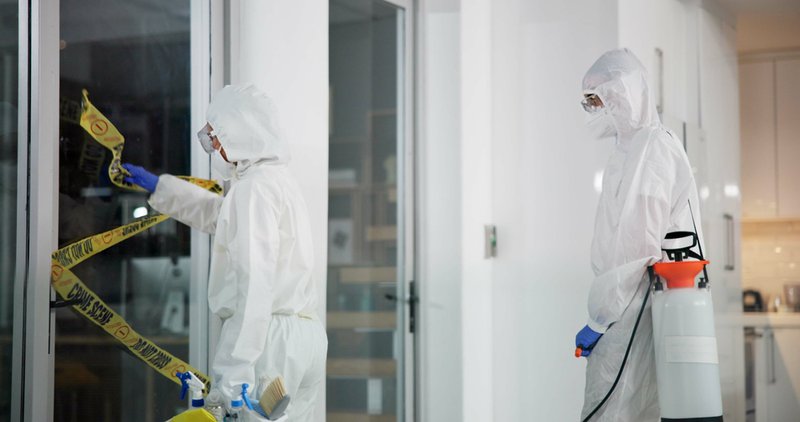
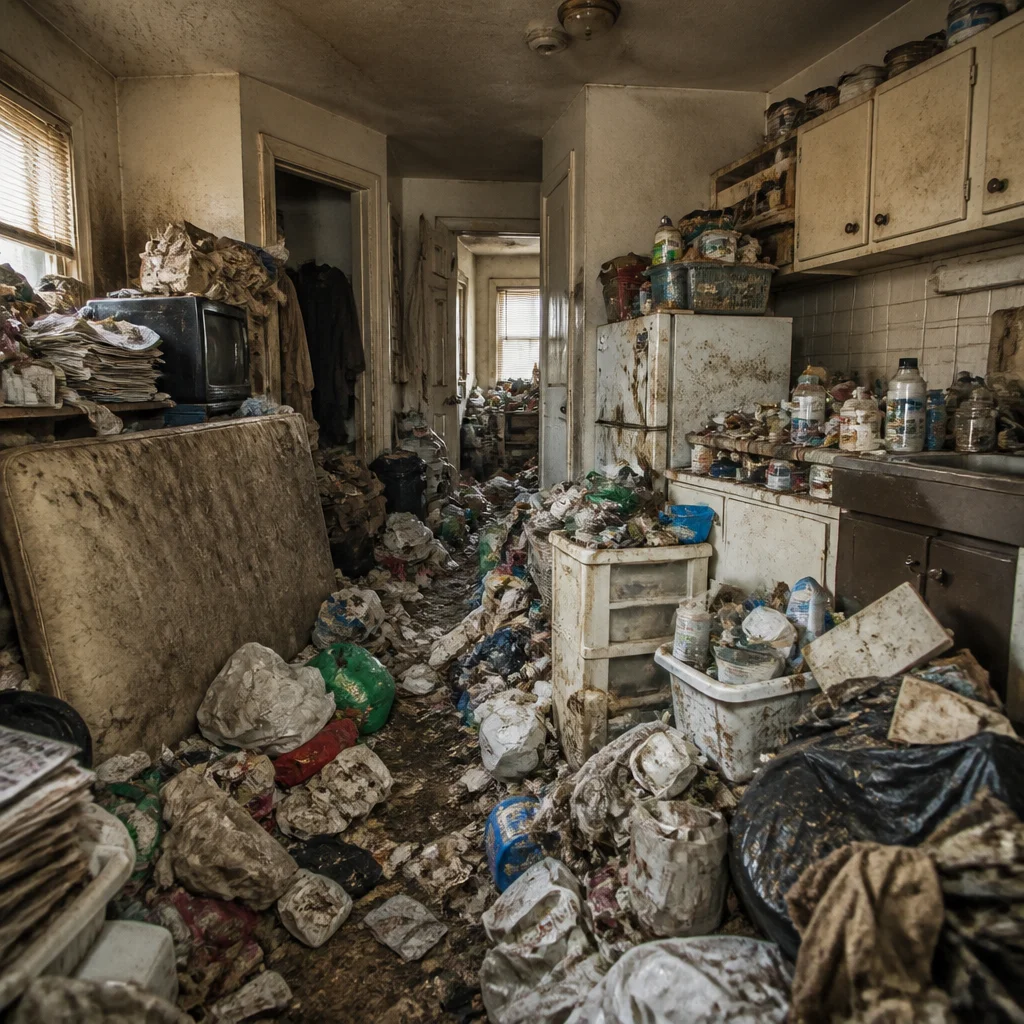
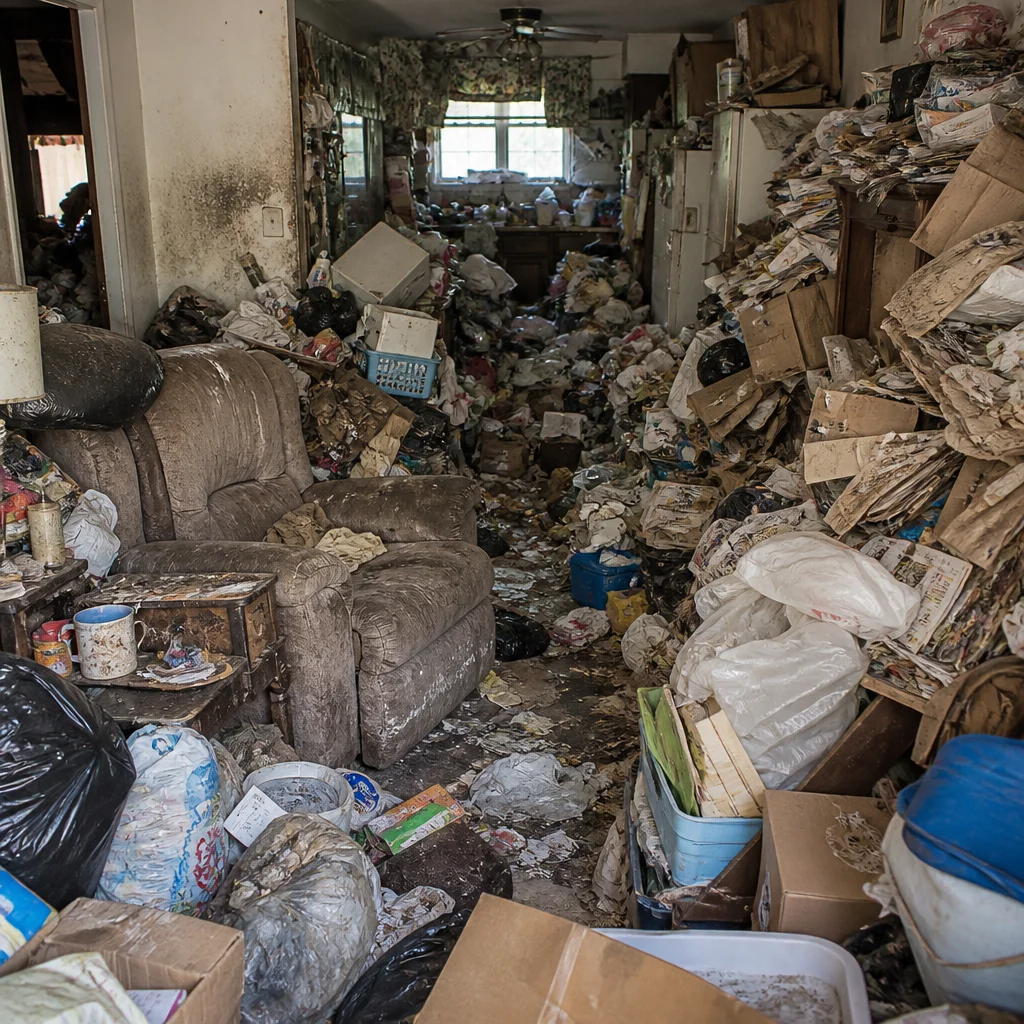
There are also scenarios where biohazards develop gradually. Spaces affected by prolonged neglect or unsanitary conditions can accumulate layers of contamination that aren’t immediately visible but still pose serious risks. What may appear to be surface-level clutter can often conceal deeper issues that require thorough and controlled cleanup.
These types of situations highlight why biohazard cleanup requires a structured approach. The presence of hazardous materials, whether sudden or built up over time, creates conditions that cannot be safely resolved through standard cleaning methods.
Why DIY Biohazard Cleanup Puts Health at Risk
One of the most serious dangers of DIY biohazard cleanup is direct exposure to harmful pathogens. Many contaminants aren’t visible, and even brief contact can lead to infection or illness.
Health risks may include:
- Exposure to bacteria such as E. coli and Salmonella
- Viral transmission through bodily fluids
- Respiratory irritation from airborne contaminants
- Skin infections from direct contact
- Long-term health effects from repeated exposure
According to the Occupational Safety and Health Administration (OSHA), proper handling of biohazardous materials requires protective equipment, containment measures, and regulated disposal methods. Without these safeguards, the risk of exposure increases significantly.
Even well-intentioned efforts can unintentionally spread contamination. Moving materials, wiping surfaces, or using improper cleaning agents can push hazardous substances deeper into surfaces or release particles into the air.
The Hidden Dangers in DIY Biohazard Cleanup
Many of the risks associated with biohazard cleanup aren’t immediately obvious. A space may appear cleaner after a basic cleanup, while harmful contaminants remain.
Hidden dangers often include:
- Absorption of fluids into carpets, subflooring, and upholstery
- Airborne particles that linger after disturbance
- Cross-contamination from tools, clothing, or nearby surfaces
- Residual odors caused by bacteria that weren’t fully removed
Without proper containment, contaminants can spread from one room to another. This can create a larger problem than the original situation, increasing both health risks and cleanup complexity.
Why Household Cleaning Methods Fall Short in Biohazard Cleanup
Standard cleaning supplies aren’t designed to neutralize biohazards. While they may remove visible stains or reduce odor temporarily, they often fail to eliminate the underlying source of contamination.
Limitations of typical cleaning approaches include:
- Inability to reach deeply contaminated materials
- Lack of proper disinfectants for biohazard pathogens
- No containment to prevent spread during cleaning
- Improper disposal of hazardous waste
In many cases, materials that appear salvageable must be removed entirely to ensure safety. Attempting to clean rather than remove contaminated items can prolong exposure and lead to recurring issues.
Biohazard Cleanup and the Risk of Cross-Contamination
Cross-contamination is one of the most common outcomes of DIY cleanup attempts. This occurs when hazardous materials are unintentionally transferred to clean areas.
Examples include:
- Walking through contaminated areas and spreading particles
- Using the same cleaning tools across multiple surfaces
- Handling contaminated items without proper disposal methods
- Improper ventilation that circulates airborne contaminants
Once contamination spreads, the scope of cleanup expands significantly. What began as a contained issue can affect multiple rooms or areas, making the situation more difficult to resolve.
The Emotional Toll of Handling Biohazard Cleanup Alone
Beyond the physical risks, there is also an emotional component that is often overlooked. Situations involving biohazards are frequently tied to distressing circumstances, including loss, long-term neglect, or overwhelming living conditions.
Attempting to manage these situations alone can lead to increased stress and anxiety, difficulty making decisions about belongings, emotional fatigue that slows progress, and avoidance, which allows conditions to worsen.
Having structured support during cleanup can reduce this burden and allow the process to move forward in a safer and more manageable way.
What Professional Biohazard Cleanup Involves
Professional biohazard cleanup follows a controlled process designed to eliminate hazards completely and restore a safe environment.
This typically includes:
- Assessment of the affected area to identify contamination
- Containment to prevent the spread of hazardous materials
- Removal and proper disposal of contaminated items
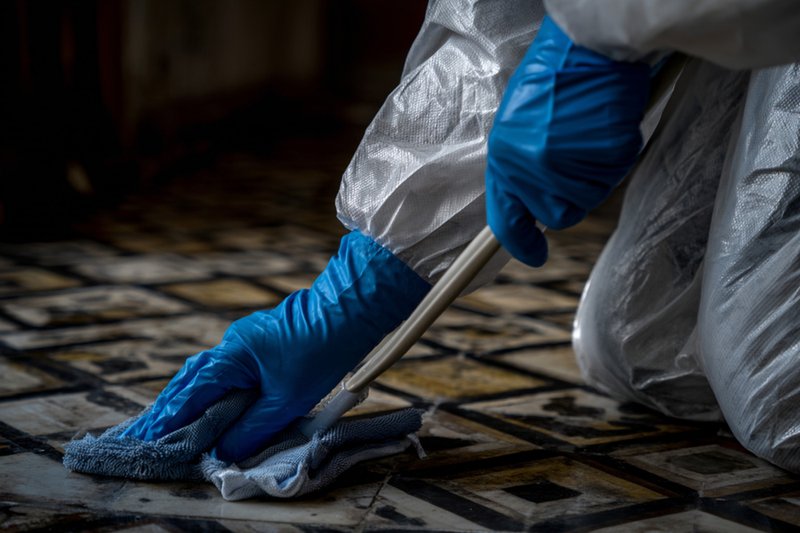
- Deep cleaning and disinfection using specialized solutions
- Final inspection to ensure the area is safe for use
Professionals also use personal protective equipment and industry-approved methods to reduce exposure risks. This approach addresses both visible and hidden contamination.
Protecting Health Requires the Right Approach
Biohazard cleanup requires more than effort and determination. It involves managing materials that can pose serious risks to health, safety, and long-term well-being. Attempting to handle these situations without the proper tools and processes can lead to exposure, cross-contamination, and ongoing hazards.
Frequently Asked Questions
Is it illegal to clean up a biohazard in my own home?
You are generally free to clean your own property. Disposal is where homeowners get tripped up, because saturated carpet, bedding, and sharps count as regulated waste in most places and cannot go out with the trash. OSHA’s Bloodborne Pathogens Standard, 29 CFR 1910.1030, sets the handling rules that trained crews work under.
What usually goes wrong when someone cleans a biohazard themselves?
Exposure comes first, because the pathogens that matter are invisible and a cut or a breath is enough. Incomplete removal comes later, since fluids travel under baseboards and into subfloor, so a room can look fine and still smell in August.
What kinds of biohazard jobs does Emergency Cleanings take?
Unattended death and trauma scenes, feces and urine cleanup, sewage backups, hoarding conditions, and junk-out work. Anything sudden runs through emergency cleanup service. Surface mold cleaning is part of the job. Deep mold mitigation, water damage, and fire restoration are outside what we do.
How fast can someone get here, and how is the price set?
Same-day response is the standard, with a two-hour arrival window and a text when the technician is en route. The assessment costs nothing. A technician walks the space and quotes one flat price, locked before work starts. Financing is available.
At Emergency Cleanings, we approach every situation with care, discretion, and a focus on safety. We coordinate professional cleanup services that handle hazardous materials, deep cleaning, and full decontamination while respecting the sensitive nature of each situation. If you are dealing with a situation that may involve biohazards, call 888-560-8488 for a same-day response. The assessment is free. A technician scopes the job on site, and your flat price is locked before work begins.