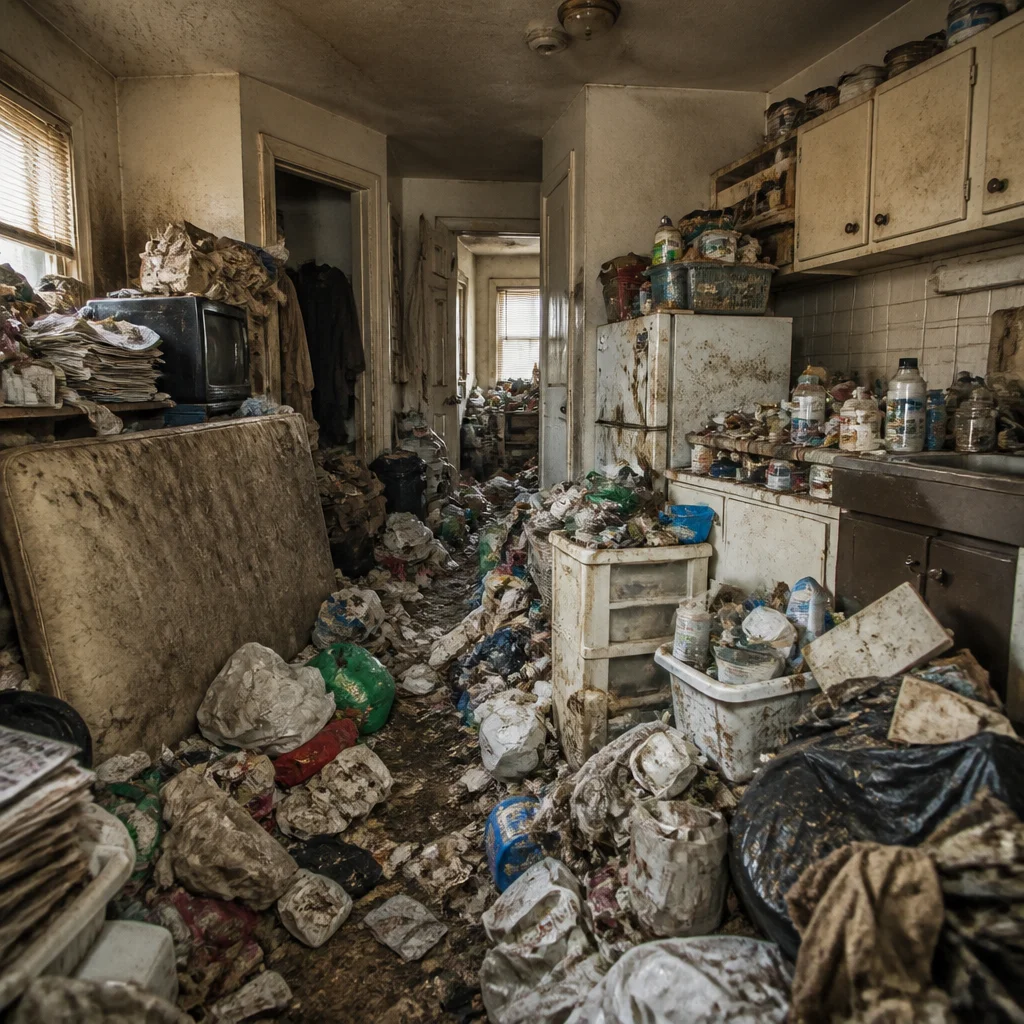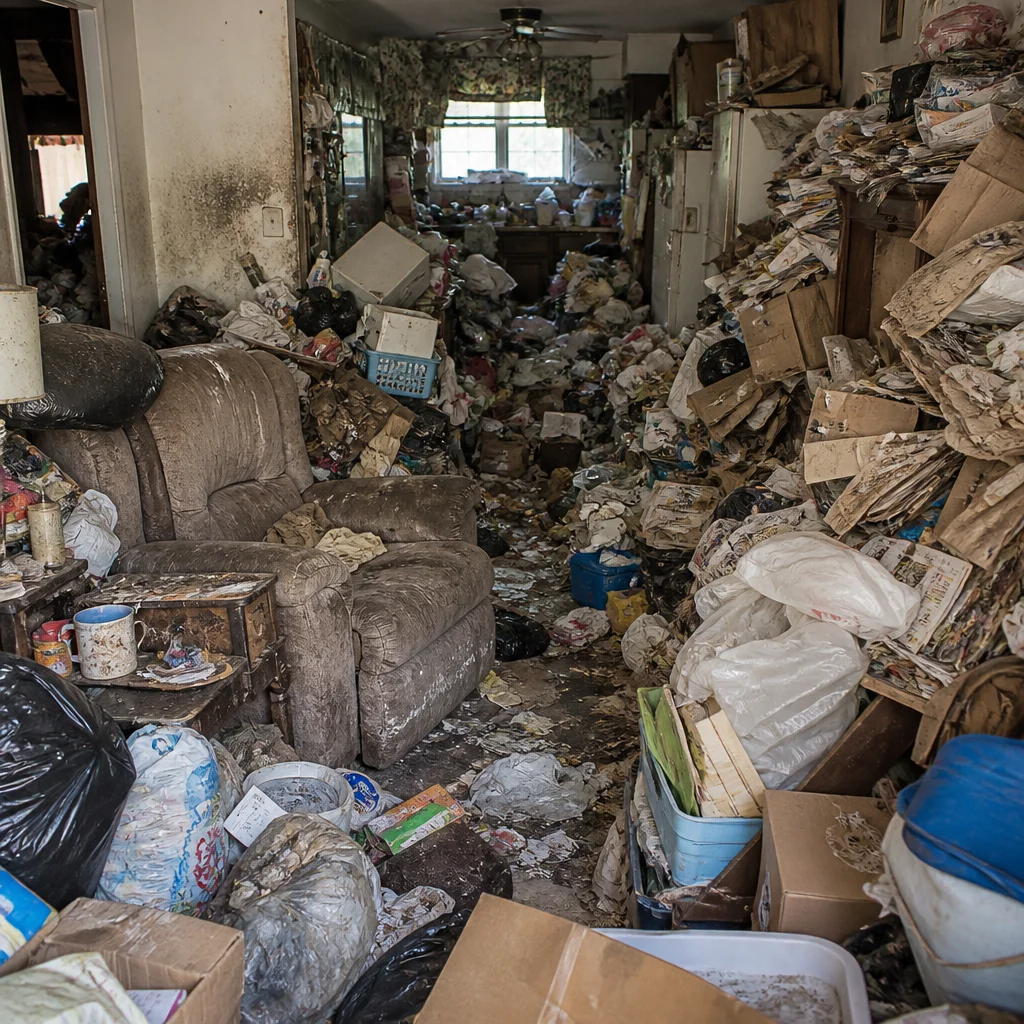
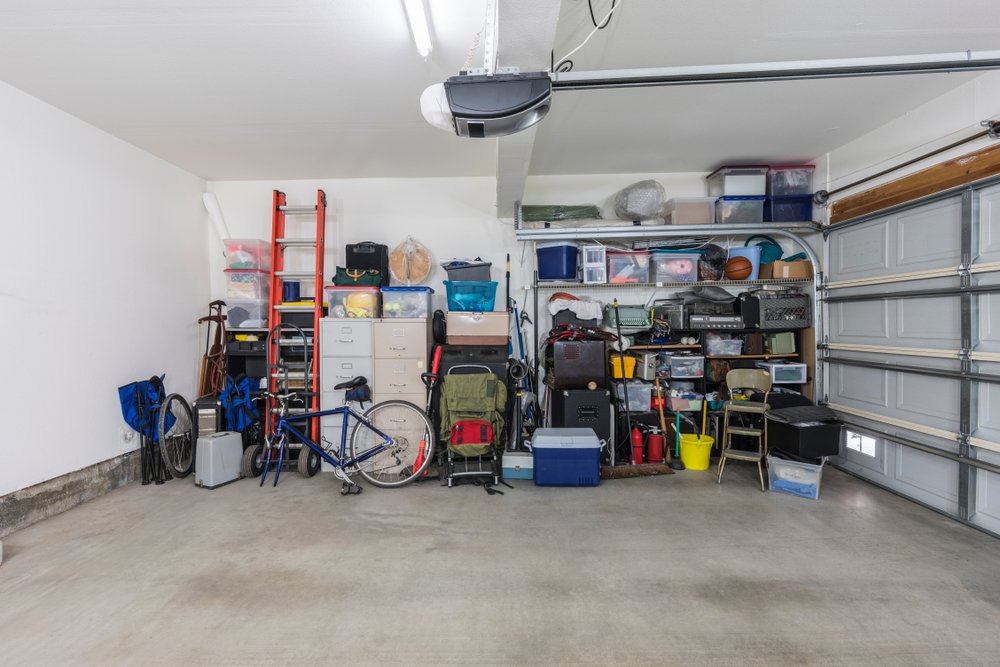
Hoarder junk removal is the bulk clearing of a heavily cluttered home, covering the sorting, hauling, and disposal of material that has piled up over years. It is for homeowners, family members, and landlords who need a space made safe and usable again. Emergency Cleanings does not price this work by the item or by the hour. A technician scopes the property in person at no charge, and the flat price is locked after that walkthrough, based on volume, access, contamination, and disposal weight.
Clearing a heavily cluttered space can feel overwhelming from the moment the process begins. Hoarder junk removal requires more than effort alone. It requires a clear plan that balances safety, efficiency, and realistic expectations.
The goal in the early stages is not perfection. It is to create a space that is functional, safe, and manageable. A strategic approach helps prevent burnout and avoids the common cycle of moving items around without actually removing them.
Why Strategy Matters in Hoarder Junk Removal
Without a defined system, cleanup efforts often stall. Decision fatigue builds quickly, and progress becomes difficult to measure. A structured approach provides direction, reduces stress, and helps maintain momentum.
Efficiency in hoarder junk removal comes from focusing on high-impact actions first. Removing obvious waste, establishing safe pathways, and setting clear goals allows the space to improve in visible and meaningful ways.
Preparing for Hoarder Junk Removal Success
Preparation plays a major role in how smoothly the process unfolds. One of the most effective steps is arranging for large-scale disposal in advance. On-site dumpsters or bulk removal options allow items to be discarded immediately rather than piling up again while waiting for curbside pickup.
Having the right supplies also makes a difference. Heavy-duty bags, sorting bins, and labeling systems help keep decisions organized and prevent confusion. Before starting, it is important to define what “done” looks like for each space. Clear goals such as restoring a walkway, clearing a room, or making an area usable provide a sense of progress and direction.
The Path of Least Resistance in Hoarder Junk Removal
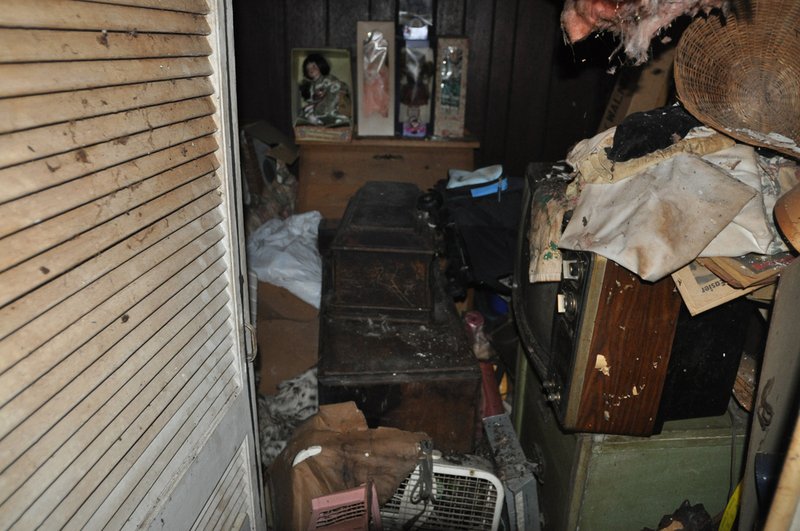
One of the most effective ways to maintain momentum is to simplify decision-making. A common approach is to limit the amount of time spent on each item. If a decision can’t be made quickly, the item can be placed in a separate category for later review. This prevents the process from slowing down.
Focusing on obvious waste first creates immediate results. Expired food, broken items, and unusable materials can be removed without hesitation. As space opens up, it becomes easier to make decisions about more complex items.
When dealing with duplicates, keeping only the best version can reduce volume quickly. Large quantities of similar items are common in hoarding situations, and addressing them early helps create visible progress.
Spatial Strategies for Hoarder Junk Removal
Navigating a cluttered space safely requires careful planning. One effective method is to begin along the perimeter of the room. Clearing edges and pathways first establishes safe access points and creates visual boundaries.
Working from the top down is also important when dealing with stacked items. Removing items from the top layers reduces the risk of collapse and helps maintain control of the environment. As space becomes more accessible, movement becomes easier and safer.
Designating a staging area outside of the primary space can further improve efficiency. This area can be used to sort and organize items that are being kept, reducing confusion and keeping the main workspace focused on removal.
Prioritizing High-Impact Areas in Hoarder Junk Removal
Some areas of a space provide more immediate benefits when restored. Focusing on these areas first can improve both safety and quality of life.
Spaces that involve water and sanitation, such as kitchens and bathrooms, often require priority. Addressing these areas helps reduce contamination and creates a safer environment. Entryways are also important, as clearing them creates a sense of openness and provides safe access.
Restoring a sleeping area is another key step. Having a clean and safe place to rest supports the physical demands of the cleanup process and helps maintain energy and focus.
Managing Emotional Challenges in Hoarder Junk Removal
The emotional aspect of hoarder junk removal can slow progress if not addressed thoughtfully. Items may carry memories or a sense of attachment, making decisions more difficult.
One effective strategy is to rely on objective criteria when possible. Expiration dates, damage, or usability can help guide decisions without relying solely on emotional judgment. This reduces the burden of choosing what to keep or discard.
For sentimental items, preserving memories without keeping physical clutter can be helpful. Photographing items allows the memory to remain while reducing volume. Donating usable items to meaningful causes can also make the process feel more purposeful and less like a loss.
Maintaining Progress After Hoarder Junk Removal
Once significant progress has been made, maintaining the space becomes the next challenge. Small, consistent actions can prevent the situation from returning to its previous state.
Short daily routines, even just a few minutes at a time, can help keep surfaces clear and manageable. Establishing visual boundaries within the space also provides structure. Defined areas for use and storage make it easier to recognize when clutter begins to build again. These habits support long-term stability and help maintain the progress achieved during the cleanup process.
Coordinate with Professional Hoarder Junk Removal Services
Hoarder junk removal is a process that requires patience, structure, and a clear focus on safety. By using efficient strategies such as simplifying decisions, prioritizing key areas, and working in a controlled way, it becomes possible to make steady and meaningful progress.
Frequently Asked Questions
How is hoarder junk removal priced?
Pricing starts with a free on-site scope rather than a phone estimate, because photos rarely show how deep a pile goes. The technician looks at volume, access, whether biohazards are present, and what the load will weigh at the landfill. That walkthrough sets one flat price, locked before work begins, and financing is available.
How fast can someone come out?
Same-day response is available in most areas through a nationwide network of vetted, licensed, and insured local technicians. You get a two-hour arrival window and a text with the ETA once the technician is on the way.
What happens to everything that gets hauled away?
Usable goods can be set aside for donation if the household wants that, and the rest goes to licensed disposal facilities. Disposal records are available on request. Animal waste and soiled bedding get handled under hoarding cleanup protocols.
Can a family do this without a crew?
Light clutter can be cleared by the household, and the strategies above are written for that. Bring in a crew once there is rotting food, animal waste, or stacking that could collapse. Emergency Cleanings can phase a job so the worst rooms are handled first.
At Emergency Cleanings, we coordinate professional hoarder junk removal services designed to handle large-scale cleanouts safely and efficiently. From bulk disposal and sorting to biohazard cleanup and full decontamination, our approach focuses on restoring spaces while respecting the challenges involved. If you are facing a situation that feels overwhelming, call Emergency Cleanings at 888-560-8488 for a same-day response. The assessment is free. A technician scopes the property on site, and your flat price is locked before any work starts.