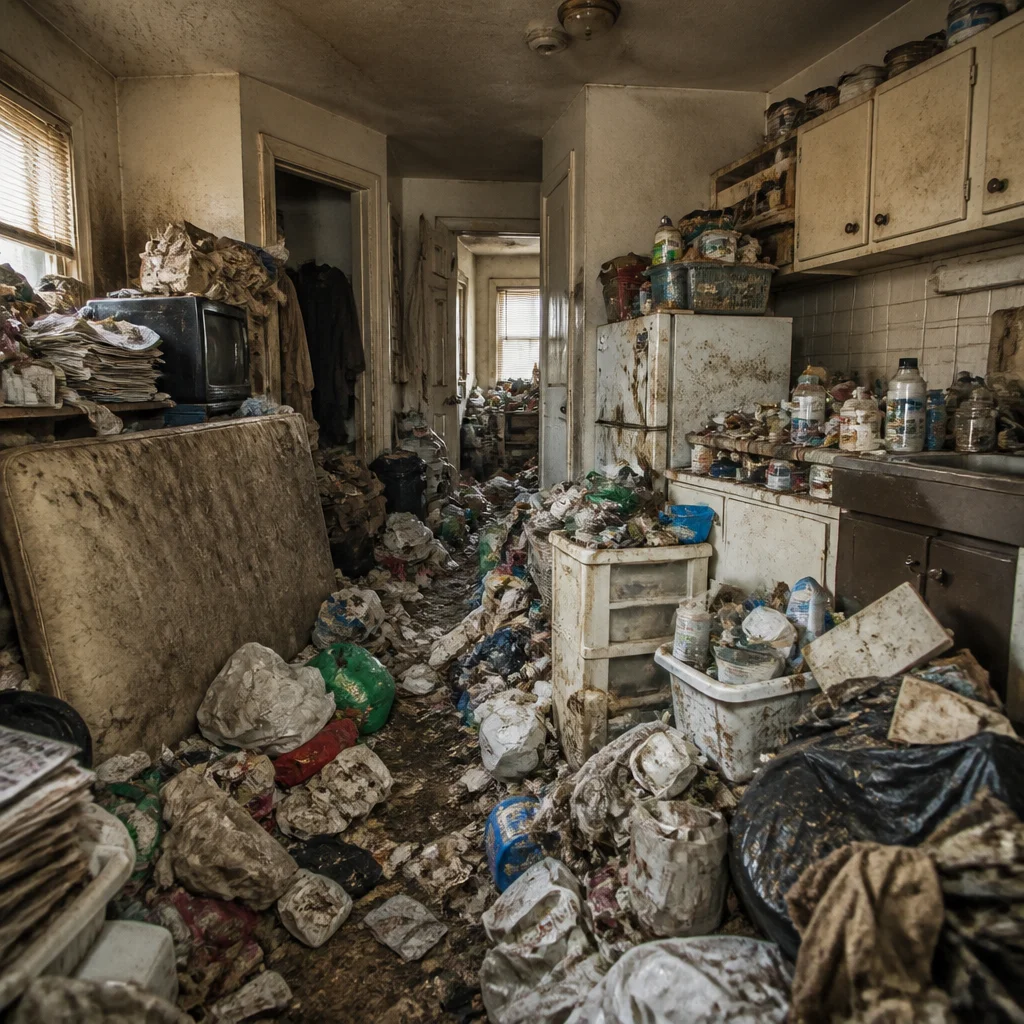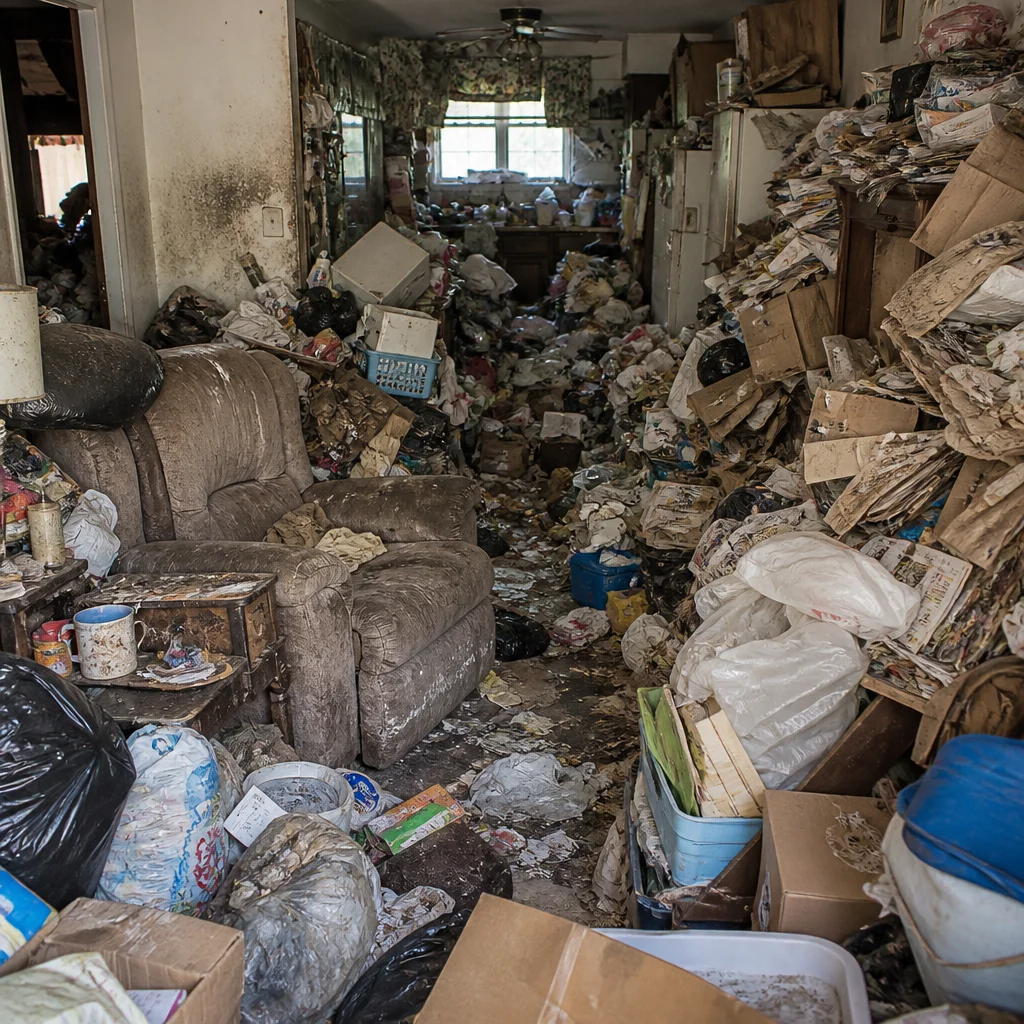

Hoarding is a recognized mental health condition, and it is not a measure of how hard someone works. What looks like neglect from the doorway usually comes from anxiety and decision paralysis that take enormous effort to push through. Emergency Cleanings provides hoarding cleanup for residents and the families supporting them nationwide, with a free assessment and a flat price locked after the on-site scope.
A cluttered home is easy to judge from the outside. Piles of belongings, blocked walkways, and rooms that can no longer be used as intended often trigger assumptions about motivation or effort. Early conversations about hoarding frequently drift toward blame, even though these situations appear in every type of household and across all backgrounds. Once judgment takes hold, the real causes are overlooked, and meaningful solutions become harder to reach.
Hoarding appears early in this discussion because naming it accurately matters. The condition is not a reflection of character or discipline. It develops from a combination of emotional attachment, difficulty with decision-making, anxiety, and lived experiences that shape how people relate to their environment. When those factors are ignored, cleanup stalls, safety risks increase, and shame deepens.
How Hoarding Became Associated With Laziness
The idea that hoarding reflects laziness often starts with appearances. A space that looks neglected suggests inactivity, even when significant mental and emotional effort is happening. Sorting items, processing memories, and managing distress require energy that is not visible from the doorway.
Cultural expectations also play a role. Homes are often treated as symbols of responsibility and order. When a space falls outside those expectations, observers may assume the person living there lacks care or motivation. This assumption ignores how hoarding disrupts prioritization and creates decision paralysis rather than avoidance.

Media portrayals add another layer of misunderstanding. Extreme visuals are shown without context, reinforcing the idea that hoarding results from poor choices alone. These portrayals rarely show the slow progression, emotional weight of possessions, or fear that prevents people from asking for help.
What Hoarding Actually Involves
Hoarding is closely tied to how the brain processes value, memory, and risk. Objects may represent safety, identity, or connection to important moments. Discarding them can trigger fear, grief, or regret that feels unmanageable.
Decision fatigue is a major factor. Each item requires a judgment call, and each decision carries emotional consequences. As clutter grows, the number of decisions increases until the process feels impossible. What looks like inaction is often cognitive overload.
Avoidance can develop as a protective response. When engaging with clutter causes anxiety or panic, stepping away feels safer. From the outside, this can appear careless. Internally, it is a coping mechanism.
Why Shame Makes Hoarding Harder To Address
Shame is one of the strongest forces sustaining hoarding conditions. Many people recognize that their space is unsafe or unlivable, yet fear of judgment keeps them isolated. Isolation reduces access to support and allows hazards to grow unchecked.
Well-meaning comments from others can unintentionally intensify this shame. When conversations focus on effort or responsibility, trust erodes and resistance increases. Progress slows when people feel attacked rather than supported.
Approaches grounded in dignity and safety tend to be more effective. Acknowledging emotional difficulty creates space for cooperation without pressure.
The Real Risks Of Untreated Hoarding
Hoarding presents serious safety concerns beyond visual clutter. Blocked exits raise fire risks. Excess debris can conceal mold, pests, and structural damage. Air quality issues and contamination increase the likelihood of illness.
These dangers often escalate quietly. Because hoarding environments are rarely shared with others, risks may go unnoticed until an emergency occurs. At that point, intervention becomes urgent rather than preventative. Viewing hoarding through a safety lens shifts the focus toward practical action instead of blame.
How Hoarding Cleanup Works In Practice
Effective hoarding cleanup follows a structured, respectful process. Cleanup is not a single event but a series of carefully planned steps designed to reduce risk while restoring function.
Removal and disposal of objects and debris typically address immediate hazards such as blocked pathways and fire risks. The focus remains on safety and stabilization rather than appearance.

Emergency cleaning may be required when conditions pose immediate threats, including contamination, strong odors, or compromised utilities. These situations call for rapid action to prevent further harm.
Hoarding cleanup and cleanout services balance efficiency with care. Clear planning, protective measures, and steady communication help reduce overwhelm while restoring usable space.
Why Professional Support Changes Outcomes
Professional cleanup teams bring experience that goes beyond physical labor. Assessment identifies hazards early and sets priorities. Containment prevents contaminants from spreading. Cleanup is performed using appropriate equipment and techniques to protect everyone involved.
Decontamination ensures affected areas are safe for continued use. Final inspection confirms that cleanup objectives have been met and that the environment no longer presents immediate risks. This structured approach reduces emotional strain and prevents well-intended efforts from worsening conditions.
Shifting The Conversation Around Hoarding
Changing how hoarding is discussed leads to better outcomes. Removing laziness from the narrative makes it easier for people to seek help before conditions become dangerous. Early action limits damage and reduces long-term costs.
Language shapes response. When hoarding is treated as a safety and health concern, cooperation increases. Clear solutions become possible without defensiveness or shame. Progress often begins when the problem is framed accurately.
A Safer Path Forward
Hoarding situations improve through structured support, clear processes, and professional intervention when risks rise. Emergency Cleanings provides specialty cleaning services nationwide, including hoarding cleanup, emergency cleaning, and removal and disposal of debris. When specialized services such as hazardous waste removal or hauling are required, we work exclusively with licensed and insured partners to meet all regulatory standards.
Our process includes assessment, containment when needed, thorough cleanup, decontamination, and final inspection. Each step focuses on restoring safety while respecting the people involved.
Frequently Asked Questions
Is hoarding a form of laziness?
No. Hoarding is a recognized mental health condition, and the people living in these homes are usually working hard on decisions that feel impossible from the inside. What a visitor reads as neglect is closer to overload. Effort is rarely the thing that is missing.
Does a professional cleanup treat hoarding?
No. Cleanup restores safety and function in the space, and it does not replace care from a therapist or doctor. Emergency Cleanings handles the physical hazards so the home is usable again. Many families arrange clinical support alongside the cleanup so the progress holds.
How does pricing work for hoarding cleanup?
A technician walks the property first, and that assessment is free. The price is a flat fee locked after that on-site scope, so nothing changes once the crew starts. Financing is available, and a large job can be phased over several visits when that suits the household.
Will the cleanup be discreet?
Yes. Crews work confidentially and keep the details of a job between the household and the team. Disposal records you can request are kept for material that leaves the property. If a family member or landlord is coordinating, the technician follows whatever contact arrangement you set.
Hoarding should never be mistaken for laziness. When health and safety are at risk, call Emergency Cleanings at 888-560-8488. Same-day response is available, the assessment is free, and a technician scopes the property on site before any number is quoted. That flat price is locked before the work begins.