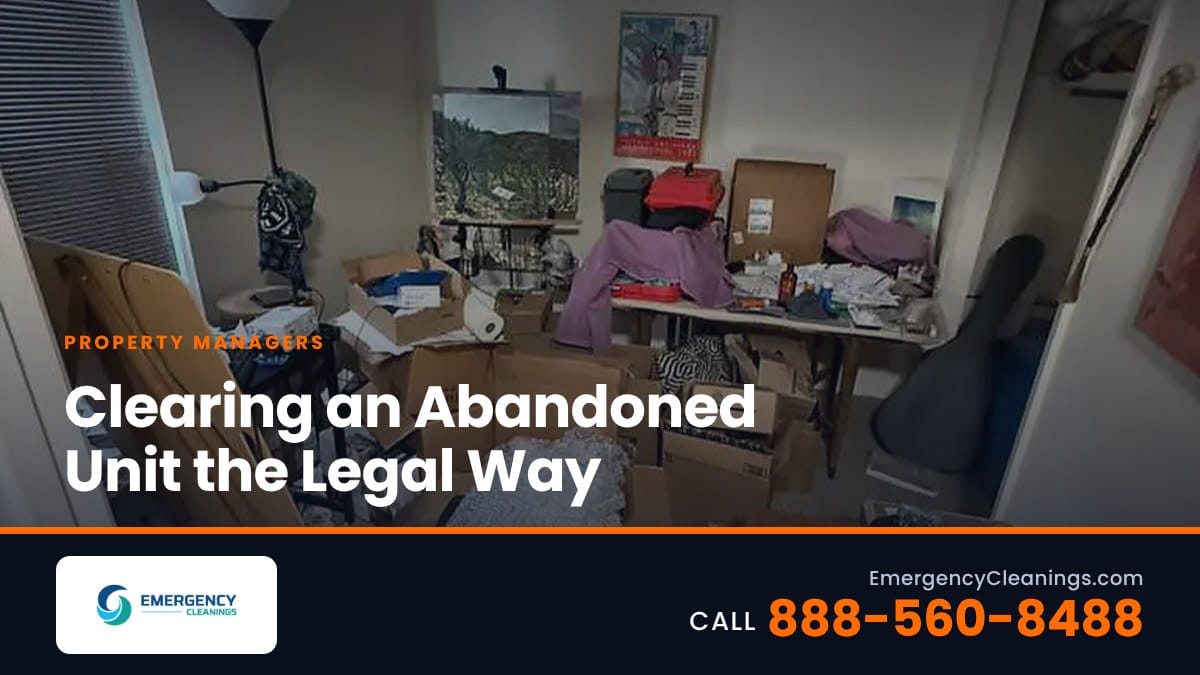
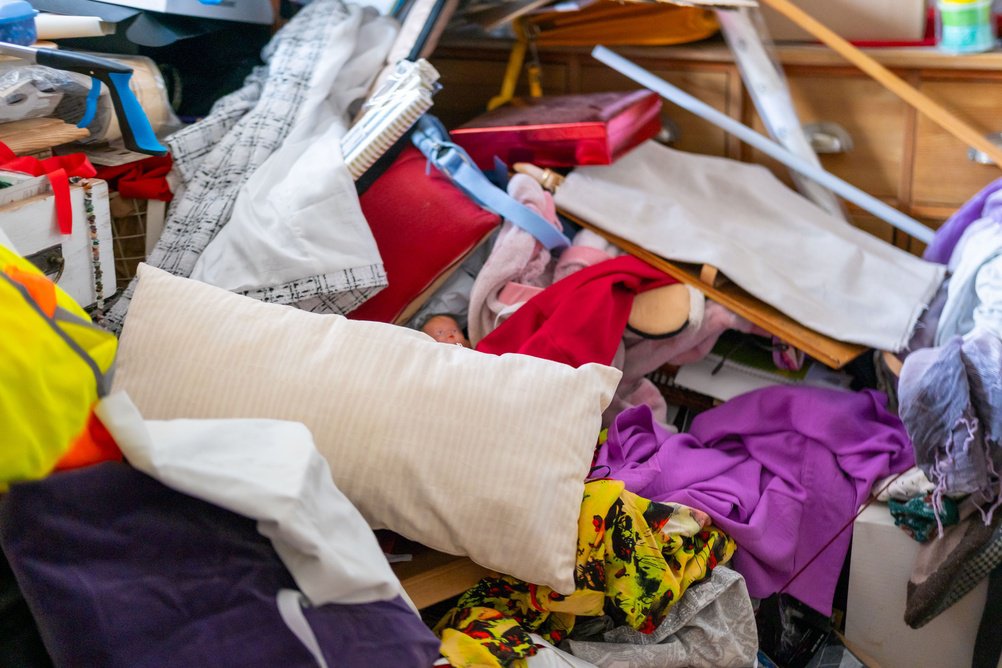
Rebuilding family relationships after hoarding cleanup means slowly restoring trust and daily communication once the home is safe to live in again. Clearing a house does not repair a relationship by itself. What it does is remove the thing families fight about every week, which gives counseling, support groups, and honest conversation room to work. Emergency Cleanings handles the physical side with hoarding cleanup, a free assessment, and a flat price locked after the on-site scope.
Family bonds are often strained by the chaos and emotional weight of hoarding. The process of hoarding cleanup offers more than a tidy space. It opens the door to rebuilding trust, restoring communication, and reclaiming shared life with the people who matter most. Understanding what comes after the cleanup is just as important as the cleanup itself.
Why Hoarding Puts Relationships Under Strain
Hoarding rarely develops in isolation. It is often tied to grief, anxiety, trauma, or depression. Family members who live with a hoarder frequently report feelings of shame, embarrassment, and social withdrawal. Relationships deteriorate over time as the home becomes inaccessible and conflict becomes routine.
Children raised in hoarding environments may carry lasting psychological effects. Studies have found that family members of hoarders experience significantly higher rates of anxiety and depression. The home, which should be a place of safety, becomes a source of ongoing stress.
The tension between wanting to help and not knowing how to help is common. Many families attempt cleanups on their own, only to face resistance, conflict, or relapse. A structured, professional approach to hoarding cleanup can reduce this friction. It removes the burden from family members and creates space for healing rather than confrontation.
What Happens Emotionally After a Hoarding Cleanup
The moment clutter is removed is rarely the moment healing begins. For many individuals, the physical cleanup can trigger grief, guilt, or anxiety. Items that were hoarded often held deep emotional meaning. Losing them, even intentionally, can feel like a significant loss.
Family members may expect immediate gratitude or relief from their loved one. That is not always the response. Patience is essential during this period. Mental health professionals who specialize in hoarding disorder recommend treating the cleanup as a beginning, not an end.

Joining a support group to empower recovery is one of the most effective next steps after a cleanup is complete. Peer support helps individuals process the emotional aftermath in a structured, non-judgmental setting. It also gives family members a community of people who truly understand what they have been through.
Rebuilding Family Relationships After Hoarding Cleanup
Reconnecting after a hoarding cleanup takes intentional effort from everyone involved. Communication that was blocked by clutter and shame can slowly be rebuilt. Therapists who work in this area often recommend structured family therapy sessions alongside individual treatment for the person with hoarding disorder.
Small, consistent gestures matter more than grand ones. Shared meals, brief check-in calls, and unhurried visits all contribute to restoring a sense of normalcy. Families that set realistic expectations tend to navigate this period with less conflict and more lasting results.
Boundaries are equally important. Family members should resist the urge to monitor, inspect, or control the newly cleaned space. Autonomy is a key part of recovery. When people feel trusted, they are more likely to maintain progress and stay engaged with their treatment plan.
Keeping the Space Clean: A Long-Term Commitment
One of the most common challenges after a professional cleanup is preventing relapse. Without ongoing support and structure, the behaviors that led to hoarding can return. This is not a sign of failure. It is a recognized feature of hoarding disorder that requires proactive planning.
Knowing how to maintain the home after a hoarding cleanup is a critical part of long-term success. Maintenance plans typically include scheduled check-ins, decluttering routines, and clear guidelines for managing new acquisitions. When these plans are created collaboratively with the individual, adherence improves significantly.
Family members can play a supportive role in maintenance without overstepping. Offering to help organize, accompanying their loved one to therapy, or simply being present without judgment goes a long way. The goal is consistent, compassionate involvement, not surveillance.
When the Home Is Part of a Larger Community
Hoarding does not only affect single-family homes. Multi-unit buildings and senior living communities face unique challenges when a resident's space becomes a safety or habitability concern. Neighbors may be affected by odors, pests, or restricted access to shared areas.

In these settings, early intervention is critical. Property and facility managers benefit from having a plan in place before a situation escalates. Delayed action often increases the scope of the cleanup and the cost. It also adds stress to the resident and those around them.
Proactive, ongoing arrangements for specialty cleaning in these environments help facilities respond quickly and consistently. A structured relationship with a reliable cleaning provider means less downtime, less disruption to other residents, and a more compassionate response to the individual involved.
Frequently Asked Questions
Does a hoarding cleanup repair family relationships?
No. A cleanup clears the space and makes the home usable, and that is where it stops. Rebuilding trust takes time, and most families do that part with a therapist or a peer support group. Emergency Cleanings handles the property so the house is no longer the argument.
How quickly can a hoarding cleanup start?
Same-day response is available in most areas. You get a two-hour arrival window and a text with an ETA when the technician is on the way. The visit begins with a free assessment of the whole property.
How does pricing work for hoarding cleanup?
Pricing is flat and locked after a technician scopes the property in person, so the number does not move once crews begin. Financing is available. Large jobs can be phased if the family wants to take it room by room.
Will neighbors or other residents know what is happening?
Discretion is part of the work. Technicians keep conversations off the front lawn and work without drawing attention to the home. Disposal records you can request are available once the job is finished.
Take the First Step Toward a Fresh Start
Reconnecting with family after hoarding is a journey that begins with clearing the space and continues long after. Professional support, mental health resources, and a structured plan all play a role in lasting recovery.
At Emergency Cleanings, we provide professional hoarding cleanup services designed to be thorough, respectful, and tailored to each situation. We also offer same day emergency cleaning for situations that cannot wait. Our team works with trusted, licensed subcontractors to handle specialized tasks such as junk removal, hazardous waste, and hauling, ensuring every job meets local, state, and federal standards.
Emergency Cleanings works nationwide through vetted, licensed, insured local technicians, in single-family homes and multi-unit buildings alike. Call 888-560-8488 for a same-day response. The assessment is free. A technician scopes the property on site, then locks a flat price before any work begins.