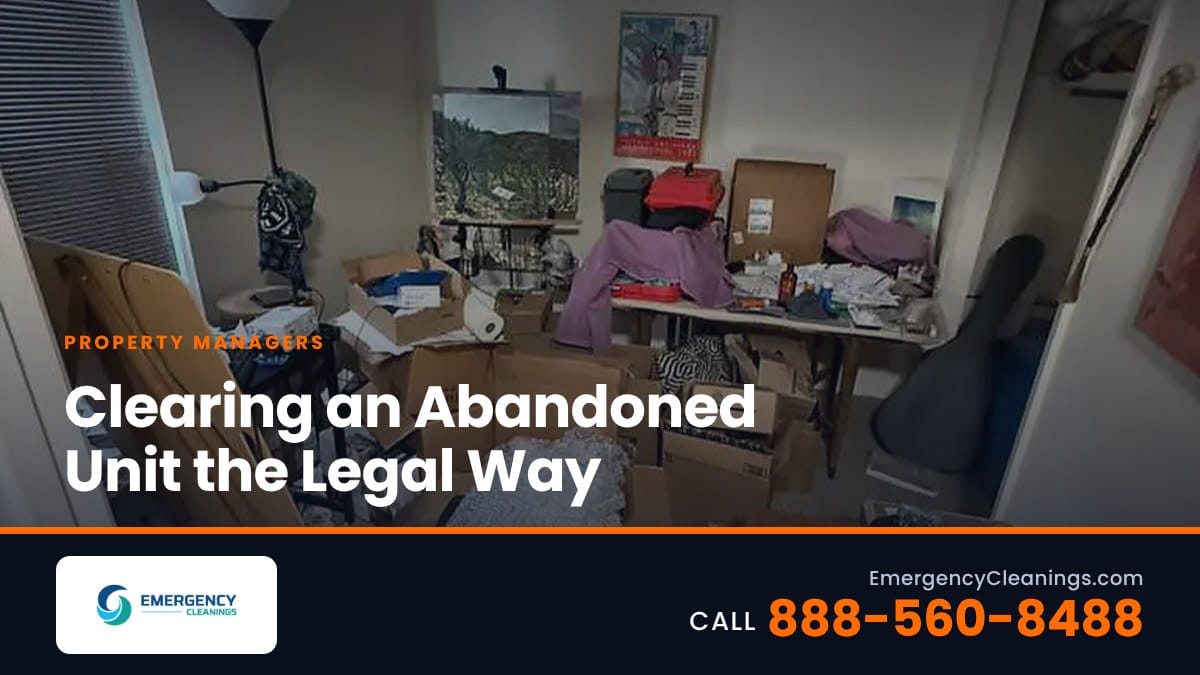

A phased hoarding cleanup plan splits a heavily cluttered property into separate stages of work instead of one overwhelming push, so the highest-risk areas get cleared first and the household keeps moving at a pace it can handle. Emergency Cleanings scopes the property on site and breaks the job into phases, and each phase carries its own flat price that is locked before that phase starts. It fits homes where the volume, the hazards, or the emotional weight make a single-visit hoarding cleanup unrealistic.
Hoarding cleanup rarely follows a straight line. Families who face this challenge often find that the scale of the work, both emotional and physical, makes a single-day solution impossible. The clutter may have built up over years or decades, and clearing it out requires more than labor. It requires trust, pacing, and a realistic approach that accounts for the complexity involved.
When the Scope Goes Beyond a Weekend
Some cleanup projects can be completed in a day. Others involve entire homes filled floor to ceiling, with multiple rooms, stored hazards, and years of accumulated belongings. In those cases, attempting to resolve everything at once can feel overwhelming, and often leads to the project being abandoned before it begins.
A phased approach breaks the work into manageable stages, allowing progress to happen without everything riding on a single effort. Each completed phase becomes proof that forward movement is possible.
The Emotional Weight Behind the Delay
Many families spend months, sometimes years, knowing a cleanup is needed but struggling to start. The delay rarely comes from a lack of desire to change. Fear of judgment, uncertainty about what the process will look like, and the emotional weight of sorting through a lifetime of belongings all contribute to inaction. For the person living in the home, the space often carries deep personal meaning, even when it has become a safety risk. Acknowledging that reality is part of building a plan that actually works.

Why Hoarding Cleanup Costs Can Feel Prohibitive
Cost is one of the most common reasons families delay getting professional help. A large-scale hoarding cleanup involves labor, disposal, protective equipment, and sometimes specialized handling for biohazardous materials. When families look at the full scope of the work, the projected cost can feel out of reach.
This is especially true when the situation has already placed financial and emotional strain on the household. Planning the project in stages can make the financial side more manageable, allowing families to budget for each phase rather than absorbing the full cost at once.
Building a Hoarding Cleanup Plan That Moves Forward
A long-term plan starts with an honest assessment of the space. Not every room needs to be tackled at the same time. Prioritizing areas that pose the greatest health or safety risk, such as kitchens, bathrooms, or blocked exits, creates meaningful progress while reducing immediate danger. From there, a sequence can be developed based on the household's capacity, both financially and emotionally. A cleanup plan built on realistic milestones is far more likely to succeed than one that demands everything at once.
Communication between family members and the person receiving support plays a critical role in this process. When everyone involved understands the pace and the goals, there is less pressure on any single phase to carry the entire weight of the transformation. Progress, even incremental progress, reduces the sense of paralysis that keeps so many families stuck.
What Gradual Progress Actually Looks Like
A phased cleanup might begin with one room or one category of items. Paperwork, clothing, and expired food are often manageable starting points before larger items or structural issues are addressed. Over time, each cleared space reinforces the possibility of more. Families who approach cleanup this way often find that momentum builds naturally once the first phase is complete.
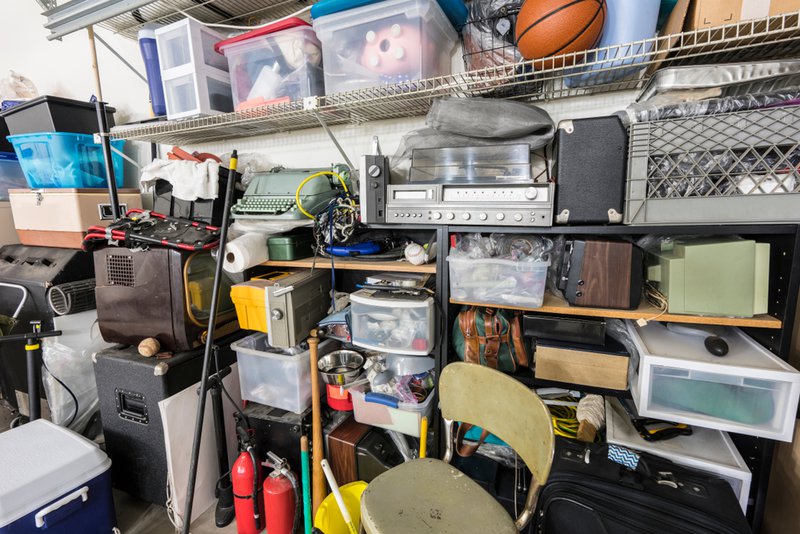
Professional teams experienced in hoarding situations understand how to pace this work without adding to the stress already present. They work without judgment, communicate clearly about what each phase involves, and help families feel informed rather than overwhelmed. That kind of support makes a genuine difference in whether the project continues or stalls.
Starting the Process with a Team That Understands What's at Stake
At Emergency Cleanings, we know that hoarding cleanup projects often require more than a single visit. We work with families to assess the full scope of the situation and develop a realistic plan that reflects both the physical work involved and the emotional weight that comes with it. Our hoarding cleanup services are designed to meet families where they are, without judgment and without pressure.
For situations that involve biohazardous materials or health risks, our team also handles feces and urine cleaning and after death cleaning with the care and professionalism these circumstances require. When the situation calls for an immediate response, our same day emergency cleaning is available for urgent cases.
Frequently Asked Questions
How does a phased hoarding cleanup plan work?
A technician walks the property and scopes it in person, then the work gets divided into phases based on risk and access. Each phase gets its own flat price that is locked before that phase begins, so nothing moves until you know the number. The assessment costs nothing and you decide when the next phase starts.
Which areas get cleared in the first phase?
Anything creating a health or safety risk goes first. That usually means kitchens, bathrooms, sleeping areas, and blocked exits. Storage rooms, garages, and lower-risk collections are scheduled into later phases once the home is safer to be in.
What happens if biohazard conditions turn up mid-project?
Emergency Cleanings handles feces, urine, sewage, and after-death situations with trained technicians and proper protective equipment, and disposal records are available on request. Mold remediation, water damage, and fire restoration are outside what the company does, so those get referred elsewhere.
How soon can the first phase start?
Same-day response is available. You get a two-hour arrival window and an ETA text once the technician is en route. Financing is available if the timing between phases needs to stretch out.
The work is never simple, but a clear plan makes it possible. Call Emergency Cleanings at 888-560-8488 for a same-day response. The assessment is free, and a technician scopes the property on site before any phase is priced. Every phase gets a flat price that is locked before work begins.