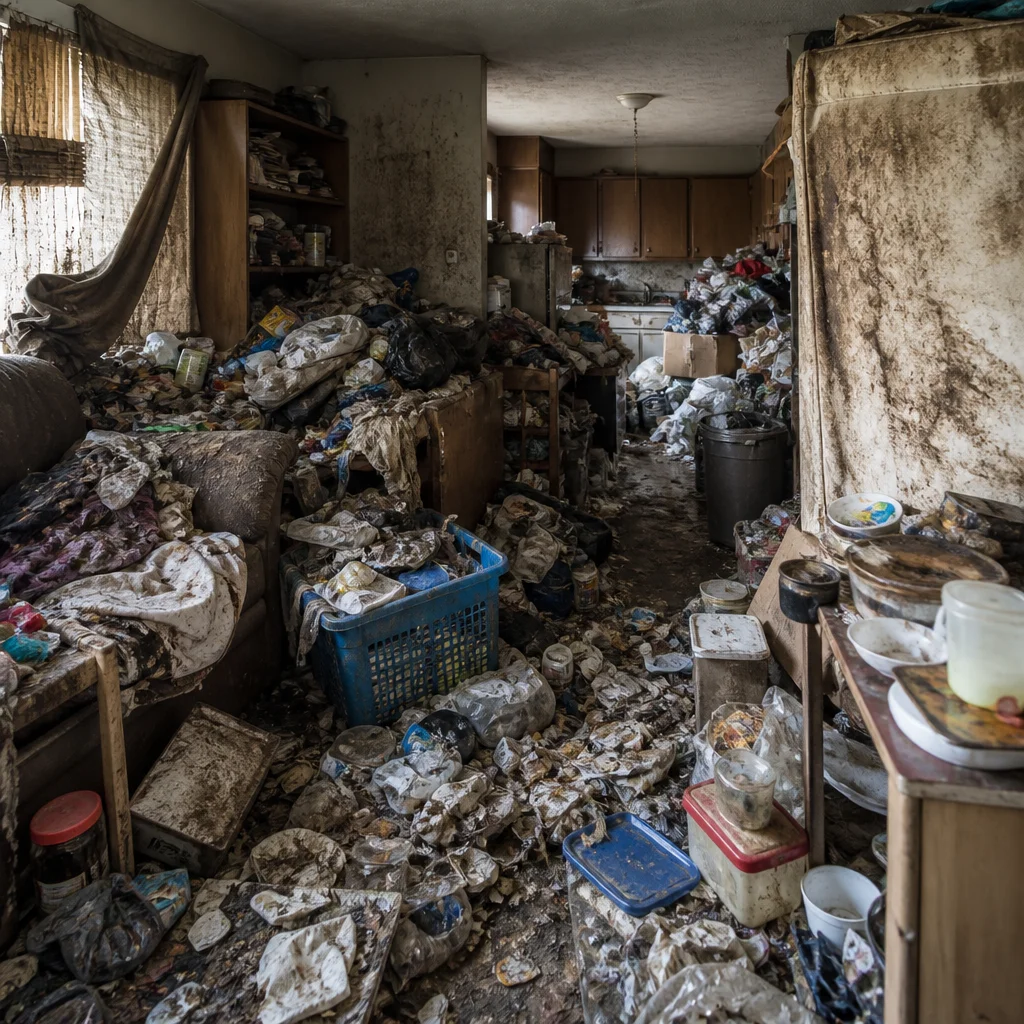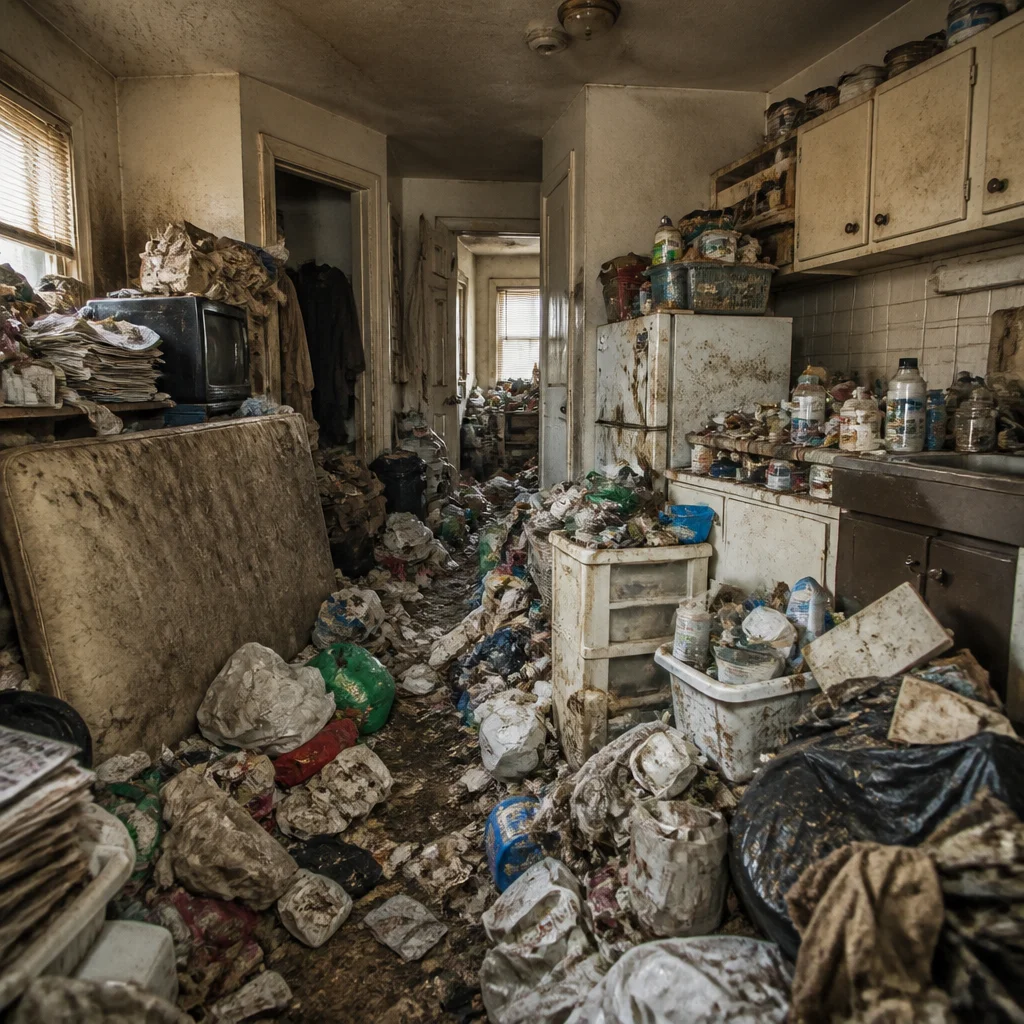

A hoarding cleanup aftercare plan is what keeps a home clear after the initial cleanout is finished. It covers the cleaning routine the household follows, who checks in on progress, and how unneeded items keep leaving the house. Emergency Cleanings handles the heavy cleanup side of that through hoarding cleanup crews nationwide, with a free on-site scope and a flat price locked before work starts.
Maintaining a safe and organized home following a hoarding cleanup requires deliberate planning and consistent effort. Removing years of accumulated items is challenging, and without proper strategies, clutter can quickly return. Therefore, establishing sustainable routines and support systems is crucial for long-term success.
Set Realistic Cleaning Routines
Creating manageable daily, weekly, and monthly cleaning schedules ensures ongoing organization after a hoarding cleanup and prevents excessive accumulation of items. In addition, experts recommend dedicating specific times for different tasks during hoarding cleanup to reduce stress and maintain order in living spaces. Research shows that maintaining a structured cleaning routine can improve mental well-being, reduce anxiety, and increase a sense of control over the home environment.

Daily tasks might include clearing countertops, washing dishes, and organizing frequently used areas to maintain cleanliness. Weekly routines should address deeper cleaning such as vacuuming, laundry, and sorting items that are no longer needed. Similarly, monthly routines provide opportunities to declutter storage areas, review donations, and ensure unwanted items are removed efficiently.
Integrating cleaning schedules with household calendars helps family members stay accountable and encourages collective participation. Moreover, setting achievable goals for each cleaning session reduces overwhelm and supports consistent progress.
Involve Family Members or Caretakers
Regular involvement of trusted family members or caretakers reinforces accountability and prevents clutter from accumulating again after a hoarding cleanup. Monitoring by supportive individuals can identify potential problem areas before they become overwhelming. Additionally, studies show that social support significantly increases adherence to cleaning routines for individuals recovering from hoarding disorder.
Clear communication is essential to maintain responsibilities and expectations within the household. Assigning specific tasks to family members ensures shared ownership of a clutter-free environment. Periodic discussions about challenges and progress encourage open dialogue, reduce tension, and reinforce positive behavior for sustained compliance.
Scheduling Periodic Professional Check-Ins for Hoarding Cleanup
Periodic visits from professional cleaning services provide an external perspective and help prevent clutter from returning after a hoarding cleanup. Professionals can identify hidden hazards, assess risks, and recommend practical solutions to maintain safety and cleanliness. Regular check-ins also ensure that improvements are sustained and that high-risk areas receive ongoing attention.
To maintain a safe and organized home, consider the following strategies for scheduling periodic professional check-ins:
- Schedule quarterly or semiannual visits to systematically evaluate the home environment and address emerging clutter.
- Request deep cleaning support from professionals to tackle areas that may be difficult to maintain independently.
- Ask for expert guidance on organization techniques tailored to your household’s unique needs.
- Ensure professionals assess potential health and safety hazards, including allergens, pests, or fire risks.
- Use check-ins to review progress, adjust maintenance routines, and receive reassurance that standards are upheld.
Maintaining consistent professional check-ins provide peace of mind and support long-term maintenance of a clean, safe home. Consistent collaboration with experts ensures that preventive measures are practical, effective, and sustainable.
Remove Unnecessary Items Consistently After Hoarding Cleanup
Consistent removal of items that no longer serve a purpose helps maintain a safe, organized living environment after a hoarding cleanup. Although hoarding cleanup creates an initial clean slate, ongoing purging ensures that spaces remain functional and clutter-free. Maintaining clear pathways and organized storage also reduces the risk of falls, injuries, and household hazards.
To keep your home consistently organized, consider these strategies for removing unnecessary items:
- Identify items that can be donated, recycled, or safely discarded during routine cleaning sessions.
- Establish clear criteria for keeping versus discarding belongings to simplify decision-making and reduce emotional strain.
- Track items removed each month to provide tangible evidence of progress and encourage accountability.
- Document donations, disposals, or recycling to maintain organization and reinforce consistent habits.
- Set reminders to review storage areas periodically, ensuring that unwanted items do not accumulate over time.
Regularly removing unneeded items strengthens long-term home organization and prevents clutter from returning. Consistent attention to these practices ensures a functional, safe, and sustainable living environment.

Consider Behavioral Support or Counseling
Behavioral therapy or counseling can enhance long-term outcomes following a cleanup, addressing underlying psychological factors. In addition, cognitive-behavioral strategies help individuals manage attachment to possessions and reduce compulsive accumulation tendencies. A study found that individual cognitive-behavioral therapy (CBT) for hoarding disorder produced significant symptom reduction, with 62% of patients rated “much improved” and 79% “very much improved” at follow-up.
Participating in group therapy or support programs fosters accountability and provides shared experiences that normalize challenges during hoarding cleanup. Therefore, professional guidance helps develop personalized maintenance plans tailored to household dynamics.
Engaging in ongoing counseling ensures that individuals receive emotional support, which complements physical maintenance efforts. In addition, awareness of triggers, perfectionism tendencies, and stress management techniques reduces the likelihood of reverting to old habits. Combining therapeutic and practical strategies maximizes the likelihood of sustaining a safe, organized home.
Maintaining Long-Term Success
Sustaining a clean and safe home after a hoarding cleanup requires commitment, structured routines, and proactive support from all involved. Integrating daily, weekly, and monthly tasks with social and professional assistance ensures that clutter does not return. Additionally, addressing behavioral and emotional factors strengthens long-term outcomes and promotes overall well-being.
Frequently Asked Questions
What should a hoarding cleanup aftercare plan include?
Start with a cleaning routine the household can actually keep, not an ideal one. Name someone who checks in on a set schedule, whether that is a relative, a caretaker, or a therapist. Keep a standing way to get things out of the house too, because belongings build back up faster than families expect.
How fast can a crew get out if the clutter comes back?
Emergency Cleanings responds the same day through a network of vetted, licensed and insured local technicians. You get a two-hour arrival window and a text with an ETA once the technician is on the way.
Who handles the removal when a room gets away from you again?
We do cleanup work rather than ongoing housekeeping, so the routines in your plan stay with the household. When a room fills up again, book another cleanup or a junk removal visit and a crew clears it out. Disposal records are available on request if a landlord or a relative needs proof.
How does pricing work for a follow-up cleanup?
Pricing is a flat fee, set after a technician walks the property. Nothing gets quoted over the phone, since the volume of material and the condition of the rooms drive the work. The assessment is free, and financing is available.
At Emergency Cleanings, we guide clients in maintaining organized, safe homes following professional hoarding cleanup services. In addition, our team provides expertise, practical advice, and compassionate support, ensuring lasting results without feeling overwhelming. Call 888-560-8488 for a same-day response and a free assessment. A technician scopes the property in person, and your flat price is locked before any work begins. Bigger jobs can be phased over more than one visit.