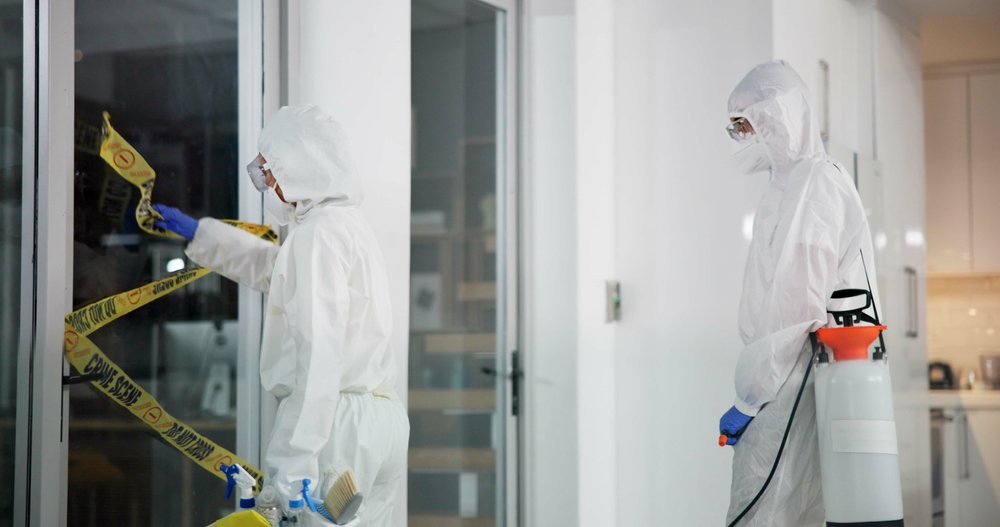
A crime scene cleanup service is the professional decontamination of a property after a violent death, an assault, or another incident that leaves blood and other biological material behind. It is for families and property owners who need the space made safe again once investigators have released it, and the work covers containment, removal of affected materials, disinfection, odor treatment, and licensed disposal. Emergency Cleanings sends vetted, licensed, insured local technicians nationwide, and the price is a flat figure locked after a free on-site scope.
The aftermath of a traumatic event can leave people feeling overwhelmed, unsure of what to do next, and emotionally exhausted. Biohazard cleanup becomes a necessary step in restoring the space, but it’s also a process that many people have never experienced before.
In these moments, the role of a professional cleanup team is to handle the physical burden safely and thoroughly. This allows those affected to focus on what matters most while ensuring that the environment is properly restored. Attempting to clean these situations without proper training can expose individuals to serious health risks, which is why professional intervention is essential.
The First Step in Biohazard Cleanup: Scene Release and Assessment
Before any cleanup begins, the scene must be officially released by the appropriate authorities. This ensures that all investigations or required procedures have been completed. Once the space is cleared, a professional team can begin its assessment.
The initial walkthrough is conducted with care and discretion. A lead technician evaluates the extent of contamination, identifies affected areas, and determines what materials will need to be removed or treated. This step is handled with respect for the space and an understanding of the emotional weight tied to the situation.
The goal of the assessment is to create a clear and safe plan for cleanup, minimizing disruption while addressing all potential hazards.
Creating a Safe Environment During Biohazard Cleanup
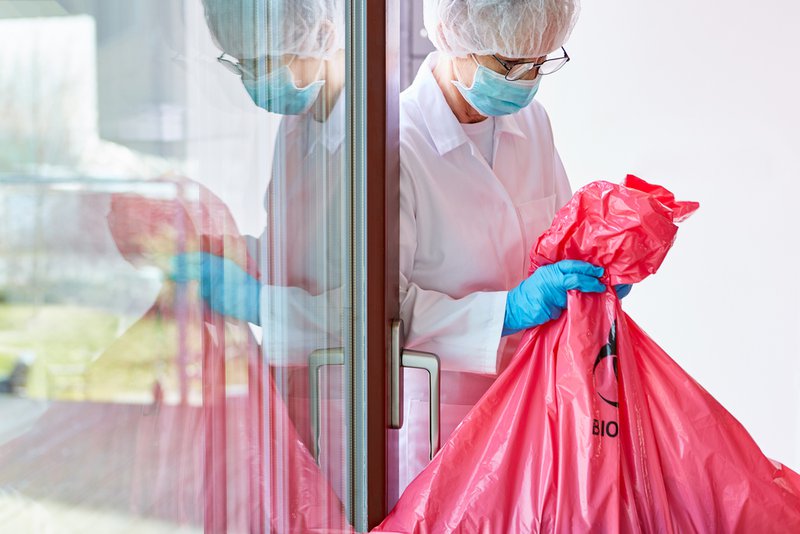
Once the scope of work is established, the next priority is creating a controlled environment. Containment plays a key role in preventing contamination from spreading to unaffected areas.
Professionals often isolate the impacted space using physical barriers and manage airflow to reduce the movement of airborne particles. This helps keep odors, bacteria, and other contaminants contained within the designated area.
Discretion is also an important part of the process. Cleanup teams take steps to maintain privacy and reduce attention to the situation, allowing the work to proceed respectfully and without unnecessary visibility.
The Biohazard Cleanup Process: Beyond What You Can See
Cleaning in these situations involves much more than removing visible materials. Biological contamination can extend into surfaces, flooring, and structural components that aren’t immediately obvious.
The process begins with the careful removal of all affected materials, including items that can’t be safely restored. From there, attention shifts to areas beneath the surface. Fluids can seep into subflooring, behind baseboards, or into other hidden spaces, requiring deeper remediation to ensure that no contamination remains.
Specialized cleaning agents are used to disinfect and neutralize harmful pathogens. In many cases, verification methods are also used to confirm that surfaces aren’t only visually clean but also safe at a biological level.
What Happens to Belongings During Biohazard Cleanup
One of the most common concerns involves personal belongings. Not everything in the affected space will need to be discarded, but decisions are guided by safety.
Items made from non-porous materials, such as metal or glass, can often be cleaned and restored. These surfaces don’t absorb contaminants in the same way as porous materials. On the other hand, items like carpets, mattresses, and upholstered furniture may need to be removed if they have absorbed biological materials.
When possible, care is taken to preserve items with sentimental value. Jewelry, photographs, and similar belongings can often be cleaned using specialized techniques. A detailed record of removed items may also be created to assist with documentation and future claims if needed.
Navigating Insurance and Documentation in Biohazard Cleanup
Many people aren’t aware that biohazard cleanup is often covered under homeowners insurance policies. Coverage can vary, but in many cases, policies include provisions for remediation following traumatic events.
Professional cleanup services typically assist with the documentation process. This may include providing detailed reports, itemized records, and communication with insurance adjusters. These steps help reduce the administrative burden during an already difficult time.
A certificate of decontamination is often provided once the cleanup is complete. This document confirms that the space has been restored according to safety standards and can be important for future property use or transactions.
Why Biohazard Cleanup Requires Professional Standards
Handling biohazard situations without proper training can lead to serious consequences. Exposure to bloodborne pathogens, bacteria, and other contaminants can pose immediate and long-term health risks.
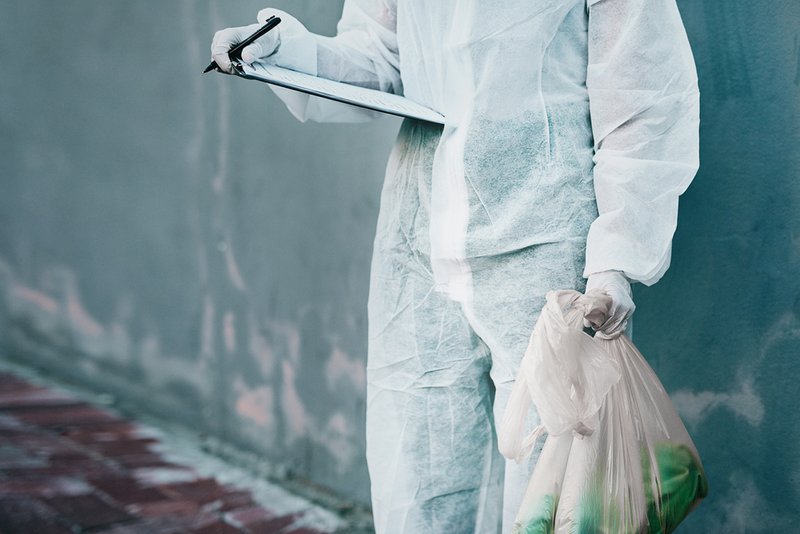
Professional cleanup teams follow established protocols that include protective equipment, controlled removal, and proper disposal of hazardous materials. These standards ensure that contamination is fully addressed and that the environment is safe to occupy again.
Without these measures, there is a risk that contaminants may remain hidden, leading to ongoing health concerns or the need for additional cleanup later.
The Final Step in Biohazard Cleanup: Restoring a Safe Space
Once the cleanup process is complete, a final walkthrough is conducted to ensure that all work has been performed thoroughly. This step provides an opportunity to confirm that the space is safe and ready for use.
The goal is to return the environment to a condition where it no longer poses a risk to health or safety. This marks an important transition, allowing the space to move forward from what occurred.
Move Forward with Support
Biohazard cleanup is a critical step in restoring safety after a traumatic event. The process involves careful planning, strict safety protocols, and a respectful approach to handling both the environment and the belongings within it.
Frequently Asked Questions
How quickly can a crime scene cleanup crew get to the property?
Emergency Cleanings responds the same day in most cases, and you get a two-hour arrival window with a text when the technician is en route. Call 888-560-8488 and a coordinator starts scheduling while you are on the phone. If the scene has not been released yet, the visit is set for the moment authorities clear it.
What does a crime scene cleanup service cover, and what does it not cover?
An emergency biohazard cleanup covers blood and bodily fluids, affected flooring and subfloor, walls, upholstery, containment, disinfection, odor treatment, and disposal of contaminated material. Disposal records are available if you request them. Surface mold cleaning is included. Deep mold mitigation, water damage restoration, fire restoration, and plumbing repair are not.
How does pricing work for this kind of cleanup?
A technician walks the property first and prices the job as one flat figure that is locked before any work starts. The assessment is free. Financing is available, and larger jobs can be phased so the most urgent areas come first.
Can a state crime victim compensation program help pay for the cleanup?
In many states, crime victim compensation programs reimburse some or all of the cost of crime scene cleanup for eligible families. Coverage caps and filing deadlines vary by state, so check with your state program or the victim advocate assigned to the case. Emergency Cleanings can provide the invoices and disposal records a claim usually asks for.
At Emergency Cleanings, we coordinate professional biohazard cleanup services with a focus on safety, discretion, and care. Call 888-560-8488 for a same-day response. The assessment is free, a technician scopes the property on site, and the flat price is locked before any work begins.