

Seeking hoarding help often brings relief at first. Someone is finally paying attention to a situation that feels overwhelming. Then the questions start. How much involvement is too much? Who decides what stays or goes? What happens when help turns into pressure? Without clear boundaries, even well-intentioned support can lead to guilt, conflict, or stalled progress.
Healthy boundaries allow hoarding help to stay supportive instead of intrusive. They protect dignity while making room for real change. When boundaries are clear, everyone involved knows what their role is and where responsibility begins and ends.
Hoarding Help Works Best When Roles Are Clearly Defined
One of the biggest challenges in hoarding situations is role confusion. Family members may start acting as organizers, enforcers, or decision-makers. Property representatives may feel forced into personal negotiations. Over time, these blurred roles create tension and resistance.
Clear boundaries establish who is responsible for decisions, who provides support, and who manages safety requirements. This structure removes emotional guesswork and reduces power struggles. Hoarding help becomes a coordinated effort instead of a series of reactive conversations.

The Difference Between Support and Control
Support encourages progress. Control often triggers pushback. Boundaries help maintain that distinction. Offering assistance does not require making choices on someone else’s behalf. It means setting expectations around safety, access, and timelines while allowing personal decisions within those limits.
For example, boundaries might define which areas must remain accessible, which conditions are non-negotiable, and what happens if those conditions are not met. This approach keeps the focus on outcomes rather than personal habits or motivations.
Hoarding Help Without Absorbing the Emotional Weight
Hoarding situations carry emotional gravity. People offering help often absorb frustration, fear, or guilt over time. Without boundaries, that emotional weight can become unsustainable.
Healthy limits protect mental and emotional energy. They allow helpers to step back when conversations become circular or emotionally charged. Clear boundaries make it possible to offer steady support without becoming overwhelmed or resentful.
Hoarding Help That Sets Expectations Around Time and Access
Time boundaries are often overlooked. Open-ended timelines can stall progress and increase stress. Setting realistic timeframes creates momentum and accountability without creating panic.
Access boundaries matter just as much. Defining which spaces must remain usable for maintenance, safety, or inspections removes ambiguity. These boundaries are especially important when conditions affect shared infrastructure, utilities, or emergency access.
Hoarding Help and Decision Fatigue
Decision fatigue is common in hoarding environments. Constant choices about items, spaces, and next steps can freeze progress. Boundaries reduce this burden by narrowing the scope of decisions.
Professional hoarding help supports this process by handling removal and disposal of objects and debris, coordinating recycling, and carefully locating valuable or meaningful items. Clear processes reduce the number of decisions required and create forward motion without constant negotiation.
When Health and Sanitation Limits Are Reached
Certain conditions require firm boundaries. Contamination from waste, plumbing failures, chemical exposure, or biological hazards crosses from personal preference into health risk. At that point, boundaries are necessary to protect everyone involved.
Professional cleanup services address these issues through structured assessment, containment, cleanup, and decontamination. Final inspections confirm that environments are safe to occupy or maintain. These steps remove uncertainty and replace it with clear standards.

Hoarding Help in Situations That Escalate Quickly
Not all hoarding situations move slowly. Emergencies can arise from weather damage, leaks, infestations, or unexpected inspections. In these moments, boundaries must be decisive.
Emergency cleaning services provide same-day and twenty four hour response when immediate action is required. Having predefined boundaries around emergency intervention prevents last-minute conflict and confusion during high-stress situations.
Hoarding Help Across Different Types of Spaces
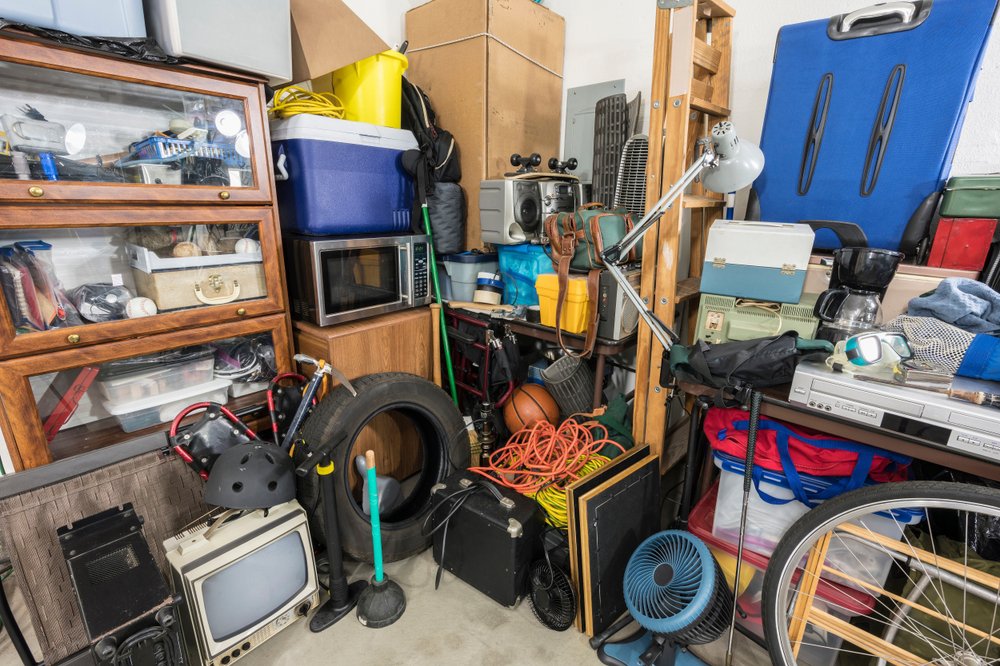
Hoarding does not look the same in every environment. Homes, apartments, vehicles, garages, and industrial spaces each present unique challenges. Boundaries help tailor responses to the space involved rather than applying a one-size approach.
Specialized cleaning solutions address higher-risk environments such as manufacturing facilities, warehouses, food processing areas, and locations handling hazardous materials. Certified technicians and licensed subcontractors ensure compliance with all regulatory requirements while maintaining discretion.
Turning Boundaries Into a Path Forward
Boundaries create clarity where uncertainty once lived. They reduce emotional strain, limit conflict, and make hoarding help more effective. When expectations are defined and support is structured, progress becomes steadier and less reactive.
Emergency Cleanings provides hoarding help and specialty cleaning services nationwide, including emergency response, industrial cleanups, and complex sanitation projects. We focus on clear processes, discreet service, and sympathetic staff who respect boundaries while restoring safety. When support is paired with structure, lasting change becomes possible. Call us today at 888-560-8488.