Table of Contents
- Why Standard Cleanup Methods Fail With Biohazards
- The Real Risks of DIY Biohazard Containment
- Our Comprehensive Containment Strategy for Contaminated Properties
- How We Assess and Isolate Problem Areas
- Specialized Equipment and Materials We Use
- Our Multi-Stage Decontamination Process
- Documentation and Compliance Throughout the Project
- Protecting Your Family's Health During Cleanup
- Timeline and Next Steps for Your Property
- Why Professional Containment Matters for Legal Protection
- Frequently Asked Questions (FAQ)
Why Standard Cleanup Methods Fail With Biohazards
When a family member’s home becomes contaminated with biological, chemical, or pathogenic materials, the instinct to “just clean it up” can be dangerous. Standard household cleaning methods were never designed for the complexity and risk that biohazards present. Understanding why professional containment protocols exist, and how they work, helps you make the right decision for your property and your family’s safety.
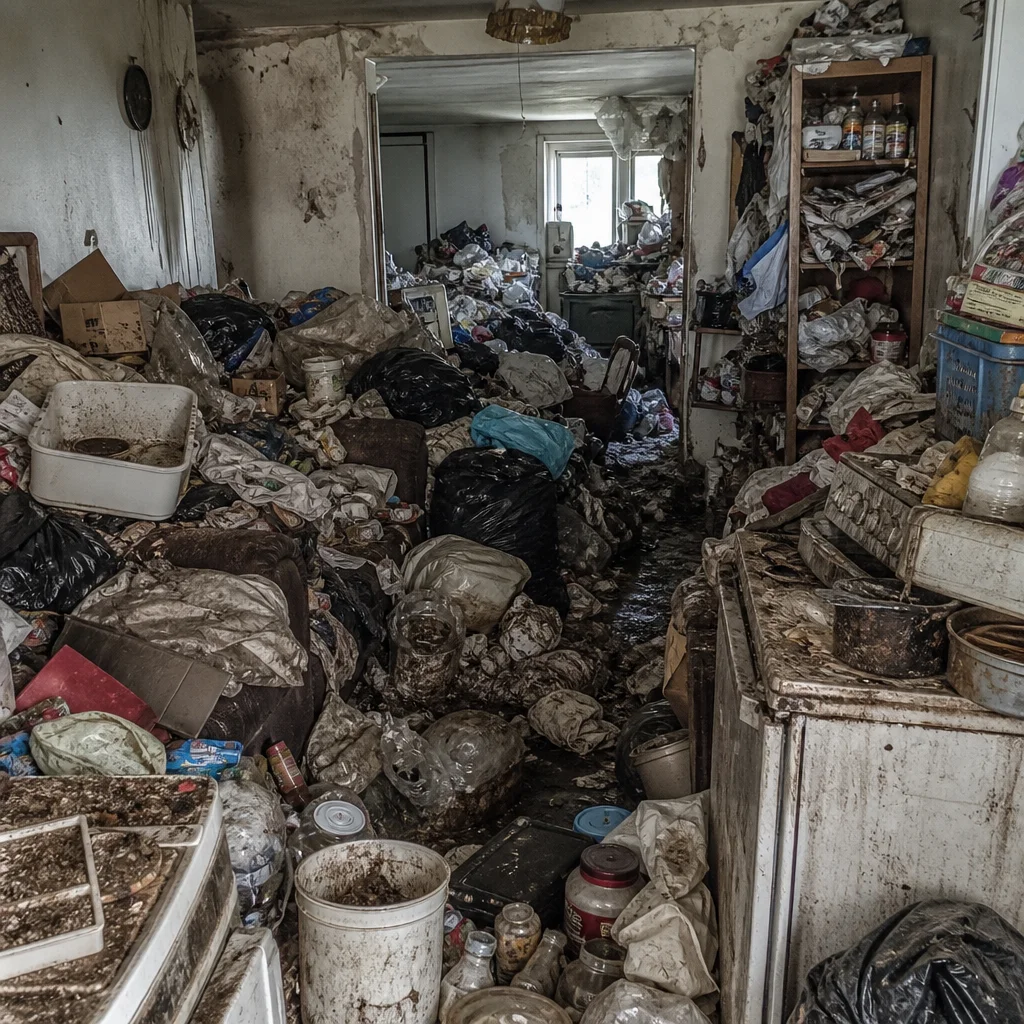
Biohazards are not simply dirt or clutter. They include bloodborne pathogens, human and animal waste, mold colonies, sewage contamination, and chemical residues that require specific handling, isolation, and disposal procedures. A regular cleaning service with a mop and bleach cannot adequately neutralize these threats.
When biohazards are present, pathogens can survive on surfaces for extended periods and spread through air circulation, contact, or cross-contamination. Standard disinfectants lack the strength and dwell time needed to inactivate harmful organisms. Additionally, porous materials like drywall, carpet, and insulation absorb contamination deeply, making surface cleaning alone insufficient.
We’ve seen properties where families attempted removal themselves only to discover weeks later that odors returned or family members developed respiratory issues. The underlying contamination remained because the root cause was never properly addressed. Standard cleanup also leaves no documentation trail, which creates liability if authorities later inspect the property or if health issues arise.
The scope of biohazard remediation requires specialized knowledge about pathogen transmission, proper PPE selection, ventilation requirements, and regulated waste disposal.
The Real Risks of DIY Biohazard Containment
Attempting to contain or clean biohazards without proper training puts you and your family at direct health risk. Exposure to bloodborne pathogens, bacterial spores, mold toxins, and other biological contaminants can cause infections, allergic reactions, respiratory illness, and long-term health complications.
Personal protective equipment (PPE) requires the right selection, fit, and usage. Many people purchase gloves and masks from a hardware store without understanding that not all masks filter biological aerosols, and improper donning or doffing can negate their protection entirely. Cross-contamination during DIY cleanup is almost inevitable when you lack training in containment protocols.
There are also legal and regulatory concerns. Improper handling of biohazardous waste can violate environmental and health codes. If a family member, guest, or inspector later becomes ill or discovers inadequate remediation, liability falls on you. Additionally, if a property is being sold or transferred, hidden contamination discovered later can result in legal claims against you as the responsible party.
The emotional and psychological toll of handling traumatic cleanup in your own home should not be underestimated. Family members often experience distress, guilt, or trauma when directly exposed to extreme property conditions. Professional cleanup removes that burden entirely.
Our Comprehensive Containment Strategy for Contaminated Properties
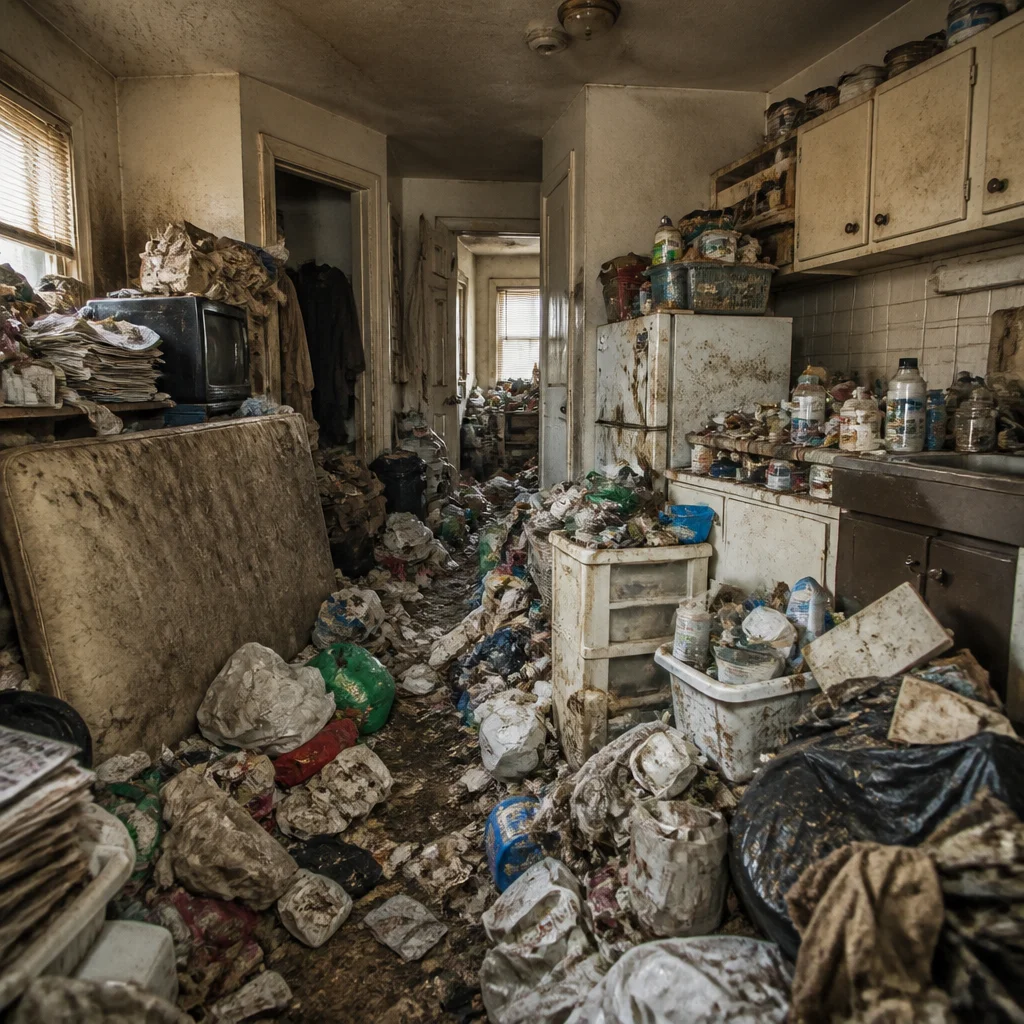
We approach every project with a containment-first philosophy. Rather than treating biohazard cleanup as a general cleaning problem, we establish isolated work zones that prevent contamination from spreading to unaffected areas of the property.
Our strategy begins with a thorough assessment to identify all contaminated materials and understand the scope of biohazard presence. We then create physical containment barriers using plastic sheeting, negative pressure systems, and controlled access points. This isolation prevents cross-contamination and protects unaffected areas of the home.
We work with specialized equipment designed specifically for biohazard work: HEPA-filtered air scrubbers, hospital-grade disinfectants, regulated waste containers, and disposal protocols that comply with environmental regulations. Every step follows industry best practices for contamination control.
Our goal is not only to remove visible contamination but to restore the property to a safe, habitable standard with documentation that confirms the work’s completion and effectiveness.
How We Assess and Isolate Problem Areas
The assessment phase is critical because it determines the scope, timeline, and materials needed for safe containment. We begin by documenting the property’s condition with photographs and detailed notes. Our team identifies affected materials, calculates the volume of contaminated waste, and evaluates structural considerations like ventilation, plumbing, and potential spread routes.
Once we understand the contamination pattern, we establish containment zones. Materials that are heavily contaminated may require complete removal and disposal. Materials that are moderately affected might be treatable in place using specialized decontamination protocols. We physically isolate these zones using heavy-duty plastic sheeting sealed to walls, floors, and ceiling. We create negative air pressure within containment areas so that any airflow moves inward rather than allowing contamination to escape.
Access points are controlled with entry and exit procedures that prevent tracking contamination outside the work zone. Floors are protected with disposable coverings, and we establish separate clean and dirty staging areas for equipment and materials.
Specialized Equipment and Materials We Use
Our equipment lineup reflects decades of evolution in biohazard management. HEPA air scrubbers continuously filter airborne particles during work, removing biological aerosols and odor-causing volatiles. These units maintain negative pressure and cycle air through medical-grade filtration.
We use hospital-grade disinfectants proven effective against a broad spectrum of pathogens, applied with dwell times sufficient for pathogen inactivation. Manual application is combined with electrostatic spraying technology that reaches surfaces a brush cannot access, ensuring thorough coverage of contaminated areas.
For waste management, we use red-bag disposal systems and regulated medical waste containers that comply with environmental protection standards. Hazardous materials are transported and disposed of only by licensed, insured subcontractors who hold proper certifications.
Personal protective equipment for our team includes respiratory protection rated for biological hazards, fluid-resistant full-body suits, multiple layers of gloves, and boot covers. We follow strict protocols for donning and doffing to prevent self-contamination.
Deodorization involves both source removal and air treatment. We don’t mask odors; we eliminate them by addressing contaminated materials and using activated carbon or enzymatic treatments to neutralize odor-causing compounds at the molecular level.
Our Multi-Stage Decontamination Process
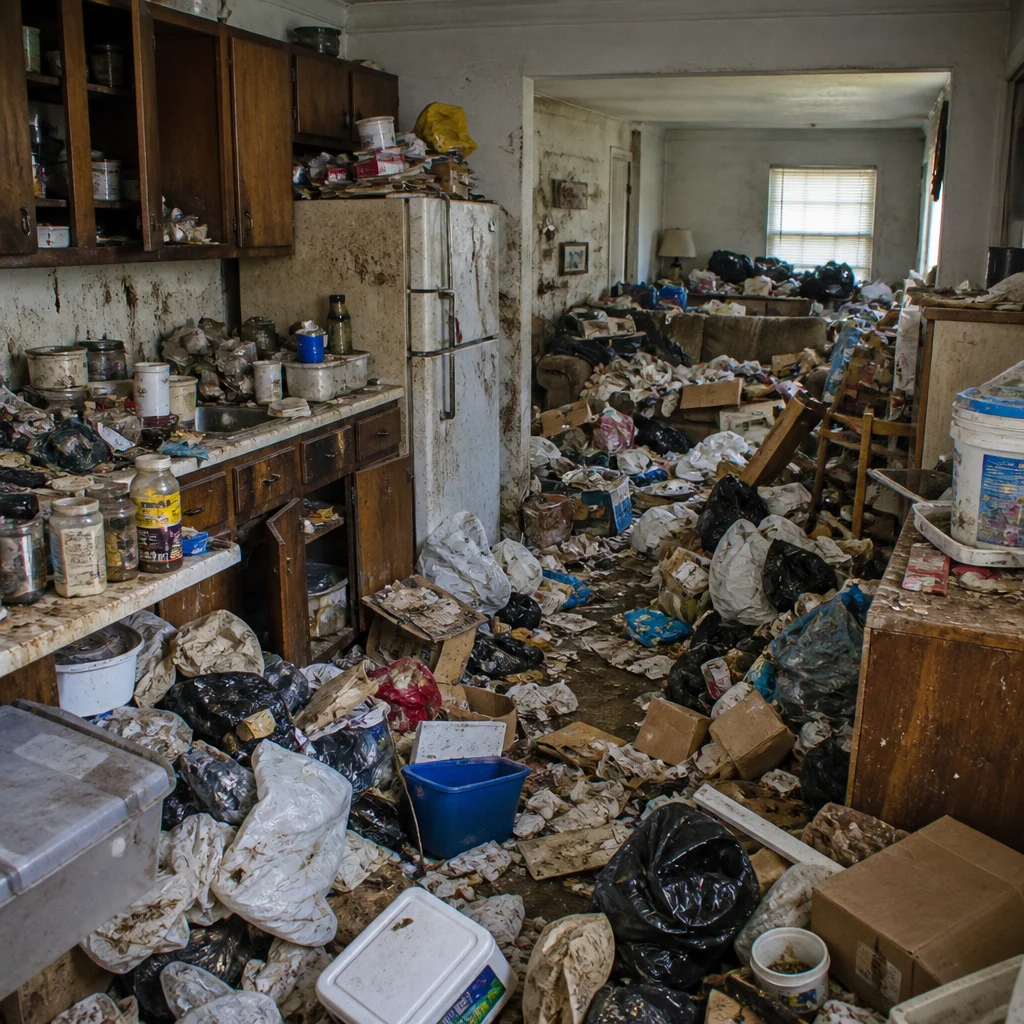
Our process unfolds in sequential stages, each building on the previous one to achieve complete contamination control.
Containment setup occurs first. We seal the work zone, establish negative air pressure, and prepare staging areas. All surfaces and equipment used during the project are organized so contaminated items never come into contact with clean areas.
Removal and disposal comes next. We carefully extract heavily contaminated materials and place them directly into regulated waste containers. This prevents secondary contamination and speeds the overall timeline.
Surface decontamination follows, using appropriate disinfectants applied to all exposed surfaces, fixtures, and structural elements. We work methodically from top to bottom so gravity does not recontaminate already-treated areas.
Source odor treatment addresses remaining odor-causing compounds through enzymatic treatments, thermal fogging, or activated carbon systems tailored to the contamination type.
Final verification and cleanup includes removing containment materials, cleaning equipment, and conducting a final inspection to confirm the property meets safe occupancy standards.
Documentation and Compliance Throughout the Project
We document every phase of the project with photographs, material lists, disposal records, and completion reports. This documentation serves multiple purposes: it confirms regulatory compliance, provides a record for insurance claims, supports legal proceedings if needed, and protects you by establishing that professional remediation was performed.
Our work complies with OSHA regulations, EPA environmental standards, and state-specific biohazard cleanup licensing requirements. We maintain records of waste disposal with licensed facilities and can provide verification to authorities, inspectors, or legal representatives if needed.
When circumstances involve death scenes or trauma situations, our documentation supports the scene release process and any subsequent investigations. We understand the legal documentation may be critical to your family’s peace of mind and your property’s future.
Protecting Your Family’s Health During Cleanup
Your family should not be present during biohazard remediation work. We coordinate timing so occupants can remain away from the property, eliminating exposure risk entirely. We also recommend that family members avoid the property for 24 hours after completion, allowing residual air treatment to fully circulate and any fumes from disinfectants to dissipate.
After completion, the property is safe to re-occupy. We provide clear guidance on any remaining precautions, such as ventilation recommendations or areas that may require additional time before normal use.
Timeline and Next Steps for Your Property
Most biohazard containment projects can be completed within 1-3 days, depending on the property size and contamination scope. We offer same-day assessments so you understand the timeline and cost before any work begins. Our flat-rate pricing means no surprise charges as the project progresses.
To start, contact us for a confidential assessment. We’ll visit the property, evaluate conditions, answer your questions, and provide a clear project estimate. We work with discretion and unmarked vehicles so your privacy is protected throughout the process.
Why Professional Containment Matters for Legal Protection
If a property is being sold, rented, or transferred to family members, inadequate biohazard remediation creates legal liability. Proper professional cleanup with documentation protects you from future claims. Insurance companies also require professional remediation in many cases to honor claims related to biohazard damage.
When first responders, health inspectors, or child protective services have been involved, professional remediation with documented compliance demonstrates that you’ve taken corrective action. This protects your family legally and shows good faith efforts to resolve the situation.
We’re here to handle the difficult work with professionalism and compassion. You can reach us for a confidential consultation anytime, knowing your family’s safety and your property’s future are in experienced hands.
For further reading: Biohazard cleanup compliance.
Frequently Asked Questions (FAQ)
What containment procedures do we follow to prevent biohazard spread during cleanup?
We establish isolated work zones using specialized barriers and negative air pressure systems to ensure contaminants don’t migrate to unaffected areas of your property. Our team seals doorways, vents, and other openings with heavy-duty materials while operating HEPA-filtered equipment that captures airborne particles. We follow strict protocols for material disposal and decontamination of all tools and surfaces before leaving your home.
How do we document our work for legal and insurance purposes?
We provide detailed photographic documentation, detailed written reports, and comprehensive checklists that outline what we found, our containment methods, and the complete remediation process. Our records include before-and-after imagery, equipment certifications, and disposal confirmations that satisfy insurance claims, estate settlement requirements, and regulatory compliance. We maintain these records securely and can provide them to your attorney, insurance company, or relevant authorities as needed.
Why can’t families handle biohazard cleanup themselves?
Biohazard materials pose serious health risks including bacterial infections, viral transmission, and toxic exposure that standard cleaning supplies cannot address. Without proper containment, families risk spreading contamination throughout their home, exposing themselves and others to pathogens that can cause illness or long-term health complications. Our specialized training, equipment, and protocols ensure your family’s safety while protecting your property from further contamination.