

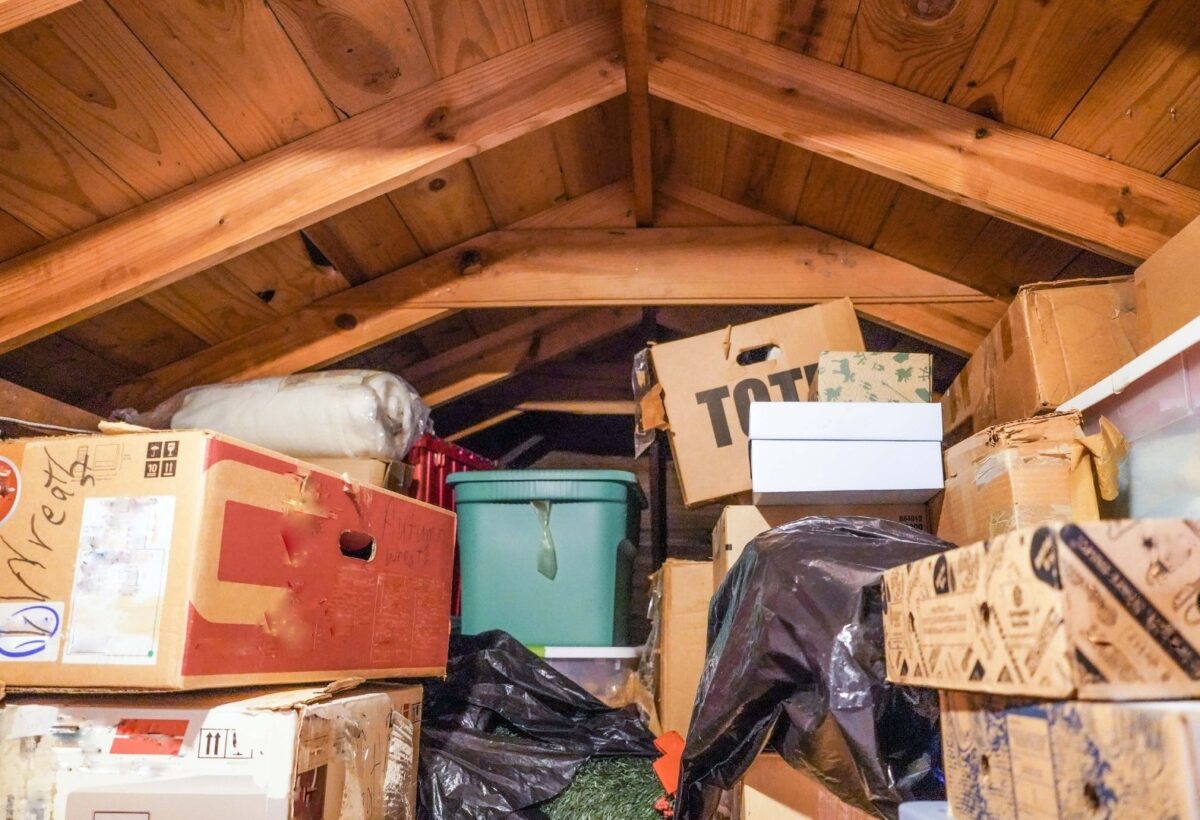
Walls, floors, and personal belongings can quietly change when clutter remains untouched for long periods. Moisture becomes trapped, airflow slows, and routine cleaning becomes impossible. In these conditions, extreme hoarding creates an environment where mold and bacteria thrive, often long before the damage is visible. Addressing these risks requires awareness, care, and a structured response that protects both health and dignity.
Extreme hoarding frequently masks serious environmental hazards. Mold spores and bacteria flourish in damp, enclosed spaces created by stacked items, blocked vents, and hidden leaks. Prolonged exposure to mold and bacterial contamination increases the risk of respiratory illness, skin infections, and allergic reactions. Recognizing these risks early helps prevent conditions from escalating into medical or structural emergencies.
Why Extreme Hoarding Encourages Mold and Bacteria Growth
Extreme hoarding alters how a home functions on a basic level. Piles of belongings restrict airflow, trapping humidity and preventing surfaces from drying. Even small plumbing leaks or condensation from daily activities can feed mold growth when moisture has nowhere to escape. Over time, this creates widespread contamination behind walls, under flooring, and inside porous materials.
Food waste, spoiled items, and pet waste may also be hidden beneath accumulated belongings. These materials provide nutrients for bacteria and attract pests that spread contamination further. In extreme hoarding situations, routine sanitation becomes inaccessible, allowing bacterial colonies to grow unchecked. Odors often signal advanced contamination, though the source may remain hidden.
Temperature fluctuations add another layer of risk. Poor ventilation and overcrowded spaces can create warm, damp conditions ideal for microbial growth. Extreme hoarding awareness highlights that contamination is rarely confined to a single visible area, making a professional assessment essential.

Health Risks Linked to Extreme Hoarding Conditions
Mold exposure in extreme hoarding environments can trigger chronic coughing, asthma flare-ups, sinus infections, and fatigue. Certain molds release mycotoxins that pose additional risks with prolonged exposure. Bacterial contamination increases the likelihood of skin infections, gastrointestinal illness, and wound complications, especially for individuals with weakened immune systems.
Indoor air quality often deteriorates significantly. Dust, spores, and bacteria circulate through limited airflow, increasing inhalation risks. Studies from environmental health agencies show that poor indoor air quality contributes to headaches, dizziness, and cognitive strain. These symptoms may persist even after leaving the space temporarily.
In extreme cases, contamination spreads beyond personal living areas. Adjacent units, shared ventilation systems, and common spaces may also be affected. Extreme hoarding situations can therefore create broader public health concerns that extend past a single property.
Structural Damage Associated With Extreme Hoarding
Mold and bacteria do not stop at health risks. They actively degrade building materials over time. Wood framing, drywall, insulation, and subflooring can weaken when exposed to moisture and microbial growth. Extreme hoarding often conceals this damage until repairs become extensive and costly.
Hidden leaks frequently go unnoticed because access to plumbing and appliances is blocked. Water damage spreads slowly beneath piles of belongings, encouraging mold growth behind walls and under floors. Structural instability increases as materials break down, raising safety concerns.
Electrical systems can also be compromised. Moisture near wiring and outlets increases fire risk and corrosion. Extreme hoarding awareness connects environmental contamination with physical safety, reinforcing the need for comprehensive cleanup rather than surface-level fixes.
Extreme Hoarding and the Need for Professional Assessment
Effective management begins with assessment. Extreme hoarding conditions vary widely, and assumptions can lead to incomplete solutions. Professional assessment identifies the scope of contamination, structural concerns, and safety hazards. This step guides the cleanup plan and prioritizes health risks.
Containment may be required to prevent mold spores and bacteria from spreading during cleanup. Sealing off affected areas protects cleaner spaces and limits airborne contamination. Containment also supports safer working conditions for everyone involved.
Cleanup follows a clear plan. Debris, unsanitary materials, and contaminated items are removed using appropriate equipment and protective measures. In extreme hoarding cases, this stage requires careful coordination to avoid disturbing mold colonies or spreading bacteria further.
Decontamination in Extreme Hoarding Environments
Decontamination is a critical phase that goes beyond visible cleaning, but it is important to distinguish between surface remediation and full structural mold mitigation. In extreme hoarding situations, professional cleaning focuses on removing surface mold, bacteria, and contaminants from accessible areas using appropriate disinfectants and equipment.
When contamination extends into structural materials such as walls, subflooring, or insulation, full mold mitigation and testing must be performed by licensed mold remediation specialists. In some cases, additional mold testing may be required to verify the extent of contamination, which falls outside the scope of cleaning services. Cleaning teams often work before and after mitigation to prepare affected areas and restore safe conditions once remediation is complete.
Emergency Cleaning Needs in Extreme Hoarding Situations
Extreme hoarding conditions often reach a point where immediate action is necessary. Severe odors, visible mold, pest infestations, or health code violations may require emergency cleaning. Rapid response reduces further contamination and limits damage to the structure.

Emergency cleaning focuses on stabilizing the environment by addressing immediate surface-level hazards, bio-contamination, and unsanitary conditions. While surface mold and bacterial growth can be safely cleaned, structural mold mitigation requires coordination with certified remediation professionals. Emergency Cleanings supports these situations by working alongside specialists as needed and restoring areas once mitigation work is complete.
Timely intervention can prevent displacement, condemnation, or more extensive remediation. Extreme hoarding awareness highlights the value of acting before conditions worsen, even when the situation feels overwhelming.
Supporting Long-Term Safety After Extreme Hoarding Cleanup
Cleanup alone does not guarantee lasting results. Education and gradual habit changes help prevent mold and bacteria from returning. Improved ventilation, routine maintenance, and reduced clutter support healthier living conditions.
Support from others plays an important role. Approaches rooted in respect and patience reduce stress and resistance. Extreme hoarding awareness encourages collaboration rather than pressure, increasing the likelihood of sustained improvement.
A restored environment often brings relief. Improved air quality, reduced odors, and safer movement through the space contribute to better physical and emotional well-being. Addressing mold and bacteria supports both immediate safety and long-term stability.
Restoring Health and Safety With Care
At Emergency Cleanings, we approach extreme hoarding situations with structure, urgency, and respect. Our hoarding cleanup and 24/7 cleaning services address surface mold, bacteria, and environmental hazards through assessment, containment, cleanup, decontamination, and final inspection.
When conditions indicate deeper structural mold contamination, we coordinate with licensed and insured mold remediation and testing specialists to ensure the work meets regulatory standards. We can support cleanup before mitigation begins and restore spaces after remediation is complete. Call us today at 888-560-8488 to take the next step toward a safer, healthier living environment.