

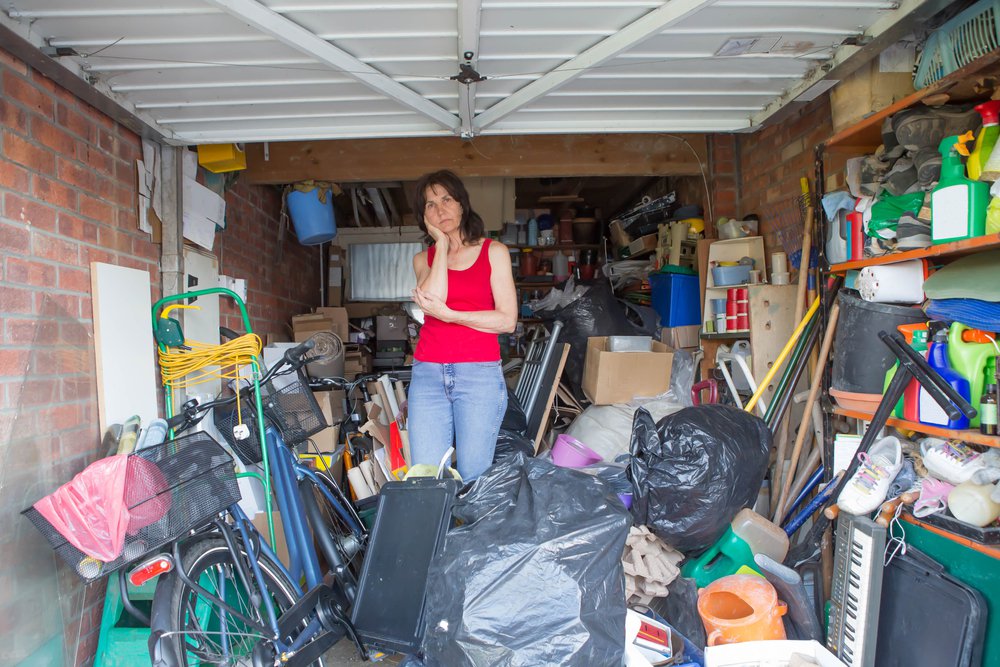
Hoarding situations differ greatly, and understanding levels of hoarding ensures the most effective cleanup approach. Each level of hoarding requires precise strategies, professional tools, and careful planning to protect both residents and property. Addressing clutter progressively improves efficiency while reducing emotional stress during cleanup.
Mild Clutter – Light Intervention for Early Levels of Hoarding
Mild clutter often includes small piles or disorganized spaces that do not pose serious safety hazards. Light intervention, including sorting assistance, is often sufficient to restore order. Implementing simple organizational systems prevents clutter from accumulating further and addresses issues before they escalate, noting that hoarding behaviors occur in about 2%–4% of adults and tend to worsen with age.

Professional guidance ensures residents feel supported throughout the process, and transitional techniques such as sorting possessions into categories help maintain order. Moreover, mild hoarding can escalate if behavioral patterns remain unaddressed. Understanding levels of hoarding early allows efficient management while respecting residents’ attachments to belongings.
Our cleanup specialists also provide routine follow-up to ensure that progress is maintained and clutter does not re‑accumulate. Furthermore, scheduling minor cleanups helps sustain organization over time. Overall, mild hoarding is resolved smoothly while introducing sustainable habits for ongoing home management.
Moderate Hoarding – Managing Levels of Hoarding Safely
Moderate hoarding involves larger areas of clutter that partially obstruct living spaces, requiring professional assessment. In addition, selective sorting, targeted debris removal, and cleaning restore functionality while addressing the specific level of hoarding. Therefore, focusing on high-traffic areas first ensures safety and effectively mitigates associated risks.
Residents often experience anxiety when discarding possessions; thus, compassionate communication and structured sorting strategies help manage the process efficiently. Sanitation is addressed through disinfecting surfaces and proper disposal of debris, reducing health hazards. Consequently, implementing recommended health practices, such as those noted in Public Health Post, ensures safe handling during cleanup.
Transitioning gradually, step-by-step cleanup plans are tailored to each home to restore order and prevent future clutter. Protective equipment and cleaning materials are coordinated to maintain safety. By combining emotional support with practical strategies, moderate hoarding is resolved comprehensively and safely.
Severe Hoarding – Extensive Sorting and Safety Measures
Severe hoarding creates significant obstacles, including blocked rooms and potential health hazards. Managing levels of hoarding at this stage requires extensive sorting, sanitation, and risk assessment. Specialized tools are used to remove debris while addressing levels of hoarding without compromising safety.
Residents often require emotional support to navigate discarding processes; thus, sensitivity is critical during all stages of severe levels of hoarding. Furthermore, guidance on organizing remaining items helps prevent future accumulation and limits the impact of extreme levels of hoarding. As a result, severe hoarding is addressed efficiently while prioritizing safety and emotional care.
Comprehensive surface cleaning, disinfection, and controlled waste removal minimize contamination caused by levels of hoarding. Moreover, professionals follow standardized protocols to comply with safety regulations while managing levels of hoarding risks. Overall, systematic methods reduce hazards and restore livable, functional spaces effectively.
Extreme Hoarding – Multi-Day Specialized Cleanup
Extreme hoarding necessitates intensive, multi‑day interventions due to severe clutter and potential biohazards. Managing extreme levels of hoarding requires industrial equipment, biohazard containment, and heavy‑duty cleaning tools. In addition, meticulous planning ensures safe handling of high‑risk areas throughout extreme levels of hoarding cleanup, including fire and safety precautions for at‑risk properties.
Residents may experience stress and shame during cleanup; therefore, continuous support and communication are essential when addressing levels of hoarding at this severity. Furthermore, risk‑reduction measures, including full personal protective equipment, air quality monitoring, and safe debris removal, mitigate hazards associated with extreme situations. As a result, extreme hoarding is resolved effectively while maintaining emotional care and safety.
Scheduling and coordination of multiple cleanup stages ensure both efficiency and safety when handling severe levels of hoarding. Recycling, hazardous disposal, and sanitation are managed concurrently to optimize workflow and manage conditions responsibly. In summary, even the most challenging properties are restored safely while prioritizing the health and well‑being of all involved.

Complete Cleanup Solutions for Every Home
Every home presents unique challenges, requiring cleanup plans that are customized to ensure safety, efficiency, and respectful handling. Comprehensive approaches combine thorough sanitation with emotional support, helping residents feel comfortable and confident throughout the process. Each plan is carefully structured to restore functionality while maintaining professional standards and minimizing stress for everyone involved.
Below are key elements of complete cleanup solutions for every home that address varying levels of hoarding:
- Risk Assessment: Specialists evaluate properties to identify hazards and prioritize areas for safe and effective cleanup.
- Step‑by‑Step Organization: Tasks are structured logically to prevent future clutter and maintain long-term order.
- Debris Removal: All clutter and waste are removed efficiently, following safety standards to protect residents and workers.
- Surface Disinfection: Thorough sanitation of surfaces reduces health risks and ensures a hygienic living environment.
- Property Restoration: Damaged or affected areas are repaired and restored to functional, livable conditions.
- Emotional Support: Residents receive compassionate guidance throughout the cleanup process to reduce stress and preserve dignity.
- Follow-Up and Maintenance: Scheduled check-ins help sustain organization and prevent recurrence of clutter.
- Safety Compliance: All activities adhere to regulatory standards and best practices, ensuring a secure environment for everyone involved.
With these strategies, clients regain control and peace of mind while managing challenging homes across different levels of hoarding. Professionals handle even the most complex situations discreetly, efficiently, and respectfully, providing reassurance at every stage.
Regain Peace of Mind and a Safe Home
Customized cleanup plans combine thorough sanitation with compassionate guidance, ensuring every home is restored safely and efficiently. Specialists handle complex situations discreetly, prioritizing both physical safety and emotional support throughout the process. With professional oversight, residents and property managers can feel confident that every step is managed carefully and respectfully.
At Emergency Cleanings, our team creates tailored solutions for every unique situation, delivering thorough and compassionate service. Every cleanup is designed to restore functionality, maintain safety, and provide ongoing support, helping clients feel secure and in control. Call us today at 888-560-8488 to explore or learn more about nationwide hoarding cleanup services.