Table of Contents
- Why Mixed Hazardous Waste Poses Serious Health and Legal Risks
- Common Hazardous Materials Found in Hoarding and Neglected Homes
- The Dangers of DIY Hazardous Waste Removal
- Our Comprehensive Hazardous Waste Assessment Process
- How We Safely Contain and Remove Mixed Contaminants
- Regulatory Compliance and Documentation We Provide
- Protecting Your Health During the Remediation Process
- Flat-Rate Pricing for Complete Peace of Mind
- Why Professional Remediation Protects Your Family and Property Value
- Getting Started with Our Same-Day Assessment
- Frequently Asked Questions (FAQ)
Why Mixed Hazardous Waste Poses Serious Health and Legal Risks
When you walk into a severely neglected home for the first time, you’re likely facing far more than clutter. Contaminated properties often contain a complex mix of hazardous materials that require specialized knowledge, proper equipment, and licensed handling to manage safely. We understand the urgency and sensitivity of these situations, and we’re here to explain why professional remediation matters and how it protects both your family and your legal standing.
Mixed hazardous waste in contaminated properties creates compounding dangers that most people don’t immediately recognize. When materials are left unattended over months or years, chemical reactions can occur between different substances, creating unpredictable and potentially toxic combinations. Beyond the chemical risks, biological contaminants like mold, bacteria, and viral agents thrive in neglected spaces and can linger on surfaces long after visible damage is cleaned away.
The legal exposure is equally serious. Federal and state environmental regulations classify certain materials as hazardous waste, and improper disposal can result in fines, liability claims, and criminal charges. If you’re dealing with a property sale, a bank or title company will often require proof of proper remediation before closing. Insurance companies may also deny claims if they discover that contaminated materials were handled improperly. Your health insurer could contest medical claims related to exposure if evidence shows negligent handling.
Beyond regulatory consequences, there’s genuine physical danger. Exposure to mixed contaminants can cause respiratory issues, skin infections, neurological symptoms, and long-term illnesses that may not surface until weeks or months after exposure.
Common Hazardous Materials Found in Hoarding and Neglected Homes
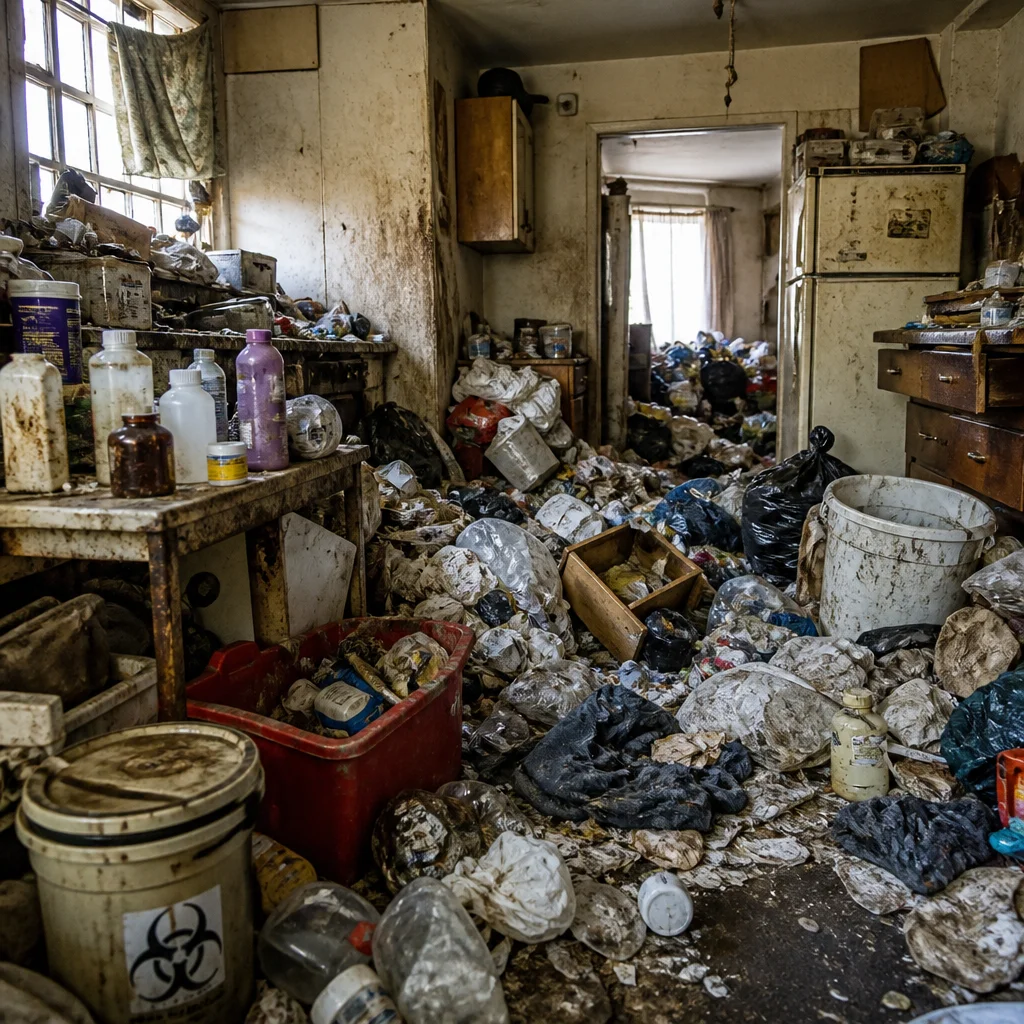
Hoarding and severely neglected homes typically contain layers of different hazardous materials, often intermingled in ways that make them harder to identify and isolate.
Biological Contaminants
Human and animal waste accumulate in properties where sanitation has broken down. Feces and urine contain E. coli, salmonella, hepatitis A, and other pathogens. Decomposing animal remains introduce additional bacterial colonies and can emit methane and hydrogen sulfide gases. Mold growth accelerates in humid, cluttered spaces where airflow is blocked, releasing mycotoxins that affect the respiratory system and immune response.
Chemical Hazards
Cleaning products, pesticides, solvents, and medications often accumulate in hoarding situations. When stored improperly or left for years, these materials can leak, corrode their containers, and mix with water or other substances. Some combinations become unstable or toxic when they interact. Heavy metals like lead (from old paint), mercury (from broken thermometers or fixtures), and arsenic (from older building materials) pose chronic health risks.
Structural and Material Hazards
Asbestos in older insulation, floor tiles, or roofing materials; lead-based paint peeling from walls; black mold growing behind walls and under flooring; and compromised waste systems backing up into living spaces all create exposure pathways that affect anyone in the property.
The Dangers of DIY Hazardous Waste Removal
Attempting to clean up mixed hazardous waste yourself puts you at immediate physical risk and exposes you to serious legal consequences.
Health Exposure Without Proper Protection
Standard household gloves and masks provide almost no protection against chemical vapors, biological pathogens, or particles that can be inhaled. Without proper ventilation systems and respiratory protection equipment, you’re breathing in contaminants with every interaction. Skin contact with certain materials causes acute reactions; others penetrate the skin and accumulate in your bloodstream over time. You may not feel symptoms immediately, which makes the danger feel less real until illness develops.
Improper Containment Spreads Contamination
When hazardous materials aren’t properly contained during removal, they spread to areas that were previously unaffected. Airborne particles travel through your home’s ventilation system. Liquids seep into subflooring and soil. Cross-contamination can expand the remediation scope significantly, making the eventual professional cleanup more extensive and costly.
Legal and Financial Liability
Disposing of hazardous waste through regular trash collection or down drains is illegal and can result in environmental cleanup orders directed at you personally. If someone in your family becomes ill after exposure, or if a future occupant of the property develops health problems, you could face personal injury lawsuits. If you’re selling the property, undisclosed or improperly handled contamination discovered later can result in rescission of the sale and additional litigation.
Our Comprehensive Hazardous Waste Assessment Process
We begin every remediation project with a thorough, site-specific assessment that identifies all hazardous materials present and the extent of contamination.
Our assessment includes visual inspection of all accessible areas, identification of odor sources, documentation of visible mold, moisture damage, and biohazardous materials. We test for specific contaminants when necessary, photograph conditions for legal documentation, and create a detailed remediation plan tailored to your property’s unique circumstances.
This upfront assessment serves multiple purposes. It protects you by ensuring nothing is missed or improperly handled. It gives us accurate information to provide you with our flat-rate quote. It creates the documentation trail you’ll need for insurance claims, property sales, or other legal purposes. Most importantly, it allows us to develop a safe containment and removal strategy that prevents cross-contamination and protects your family.
We offer same-day assessments because we recognize that waiting creates anxiety and extends the period when hazardous materials remain in your home. Our team arrives discreetly in unmarked vehicles, respects your privacy, and provides straightforward answers about what we find and what needs to happen next.
How We Safely Contain and Remove Mixed Contaminants
Safe removal of hazardous waste requires systematic containment, specialized equipment, and trained personnel working under strict protocols.
We begin by establishing containment barriers that isolate contaminated areas and prevent airborne particles from spreading to unaffected spaces. Our team uses negative air pressure systems, HEPA filtration, and sealed removal procedures. All materials are segregated by hazard class: biological waste is handled separately from chemical waste, which is handled separately from structural materials containing asbestos or lead. This segregation is critical because different waste streams require different disposal methods and facilities.
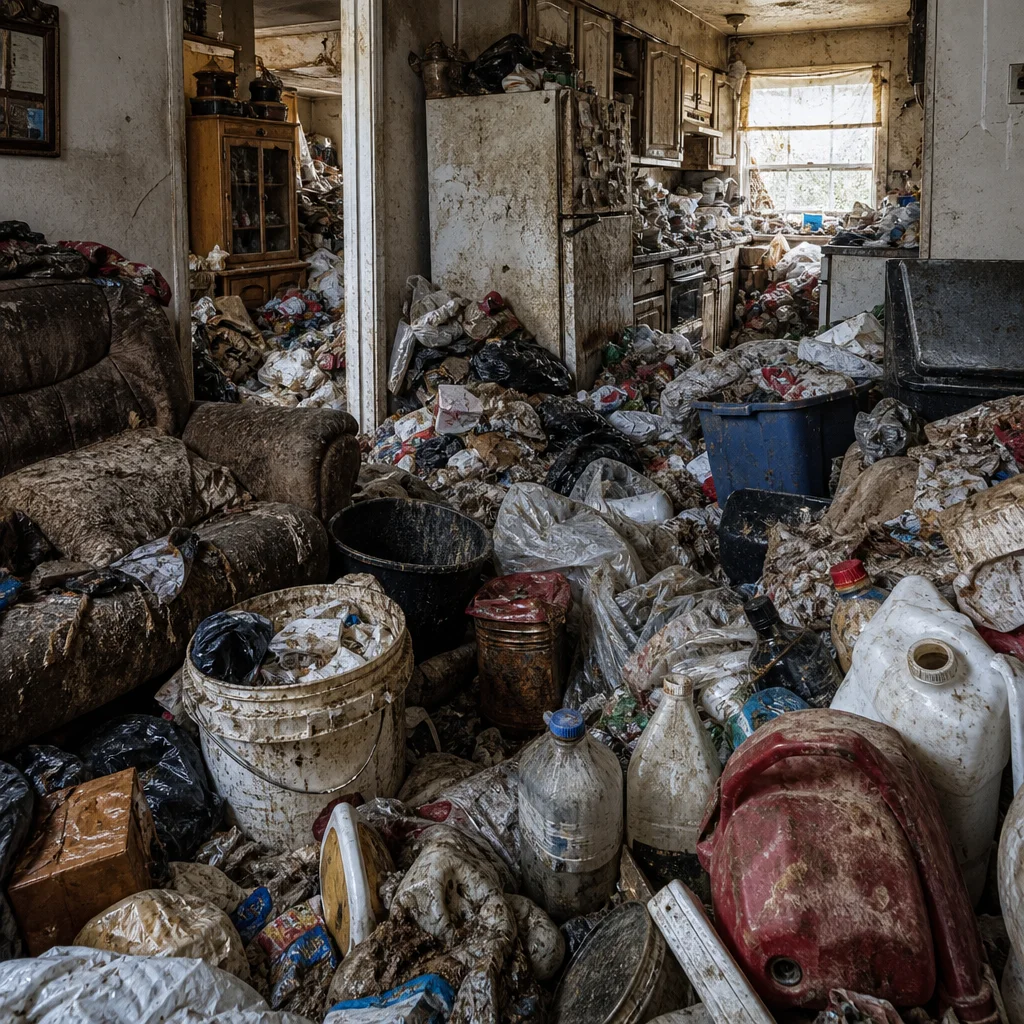
Materials are placed in specialized containers labeled with their contents and hazard classifications. We use licensed, bonded subcontractors for transportation and disposal at facilities equipped to handle the specific materials we’re removing. Documentation follows each material from our hands to final disposal, creating an unbroken chain of custody that protects you legally and proves proper handling.
Throughout the process, our team wears appropriate personal protective equipment: respirators rated for the specific hazards present, protective suits, gloves, and eye protection. We follow OSHA standards, environmental regulations, and industry best practices. Our goal is to remove hazardous materials completely while leaving your property safe for the next step, whether that’s restoration, selling, or reoccupancy.
Regulatory Compliance and Documentation We Provide
Proper hazardous waste disposal requires compliance with federal EPA regulations, state environmental laws, and local health department requirements. These rules exist because improper handling creates real dangers for public health and environmental safety.
When we complete your remediation, we provide comprehensive documentation that proves compliance with all applicable regulations. This includes certificates of proper disposal from licensed waste facilities, itemized records of materials removed and their disposal methods, photographic before-and-after documentation, and detailed reports of the assessment and remediation process. This documentation is essential for property sales, insurance claims, legal proceedings, and your own records.
For contaminated properties, we also help coordinate any required inspections or clearance testing by local health departments or environmental agencies. Our transparent approach and thorough documentation make these official processes straightforward and give you confidence that your property meets applicable standards.
Learn more about why biohazard cleanup compliance matters for your protection and peace of mind.
Protecting Your Health During the Remediation Process
Our commitment to your safety extends beyond the technical work itself. During remediation, we manage the property in ways that protect your family’s health and minimize disruption.
If you’re living in the property during cleanup, we establish clear protocols: certain areas are restricted during active work, we maintain containment barriers to prevent exposure, and we communicate daily about progress and what to expect. We advise on temporary relocation if contamination is extensive or if your family includes young children, elderly members, or anyone with respiratory conditions or compromised immunity.
After active remediation is complete, we recommend that you have the property professionally ventilated before full reoccupancy. Air quality testing is often advisable, particularly if mold remediation was part of the process. These steps complete the remediation process and give you verifiable assurance that your environment is safe.
We also provide guidance on preventing future contamination: addressing moisture issues, maintaining proper ventilation, and establishing routines that keep spaces sanitary. This forward-looking approach protects your investment and your family’s long-term health.
Flat-Rate Pricing for Complete Peace of Mind
The cost of hazardous waste remediation can feel uncertain and overwhelming when you’re already managing a difficult situation. We’ve built our business model around flat-rate pricing specifically to eliminate that anxiety.
After our assessment, we provide a single, all-inclusive quote that covers everything: containment, removal, disposal, documentation, and final cleanup. This rate doesn’t change based on how long the work takes or unexpected findings within the scope we’ve assessed. You know exactly what you’ll pay before work begins, and you can make decisions with confidence.
Flat-rate pricing also incentivizes us to work efficiently and thoroughly. We’re motivated to do the job right the first time, using best practices and proven systems, rather than padding timesheets or creating reasons for additional billable work. Your budget is protected, and you get transparent, honest service.
Why Professional Remediation Protects Your Family and Property Value
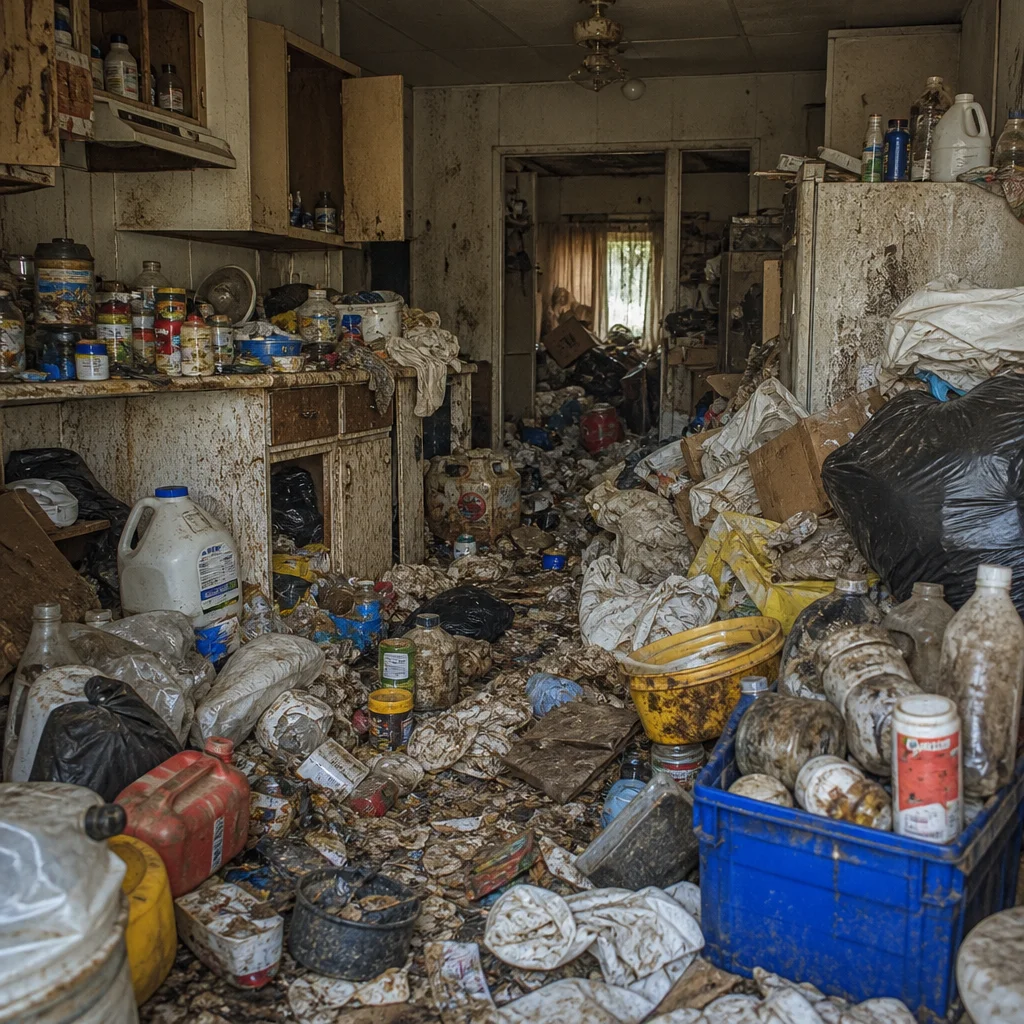
Contaminated properties create cascading problems if they’re not properly remediated. Beyond the immediate health risks, unaddressed contamination affects property value, marketability, and your ability to move forward.
When you sell a property, buyers conduct inspections. Contamination discovered during inspection kills deals or forces dramatic price reductions. Banks won’t finance purchases of properties with known contamination. Insurance companies may deny coverage. But when contamination is properly identified, professionally remediated, and thoroughly documented, you can sell with confidence. Inspectors find clean results. Title companies can clear the property for sale. Buyers and their lenders feel secure.
Beyond the financial angle, there’s dignity and relief in restoring a property to safe, habitable condition. Whether you’re managing a parent’s home after a hospital stay, clearing a space before a major life transition, or addressing a health and safety crisis, professional remediation returns your property to a state where life can happen normally again.
Getting Started with Our Same-Day Assessment
The first step is reaching out. We handle inquiries discreetly and compassionately, understanding that you may feel uncomfortable discussing your property’s condition.
Contact us to request a same-day assessment. We’ll arrive at a time that works for you, in an unmarked vehicle, and conduct a thorough evaluation. Our team will explain what we find, answer your questions honestly, and provide you with a detailed flat-rate quote with no hidden costs or surprise fees.
From there, we work with your timeline. Whether you need immediate action or want to plan for next steps, we’re ready to support you. We’ve handled thousands of properties, managed complex contamination scenarios, and helped families like yours move through difficult situations with professionalism, dignity, and genuine care.
Your property can be safe, clean, and ready for whatever comes next. We’re here to make that happen.
Frequently Asked Questions (FAQ)
What types of hazardous materials do we typically encounter during mixed waste assessments?
We commonly find combinations of biological contaminants, chemical residues, sewage-related materials, mold colonies, and accumulated debris in properties we service. During our initial assessment, we document everything we discover so we can determine the safest removal method for each material type. This comprehensive inventory helps us provide you with accurate flat-rate pricing upfront.
Why shouldn’t we attempt to remove hazardous waste ourselves?
Mixed hazardous waste requires specialized equipment, training, and protective gear to handle safely without exposing you or your family to serious health risks. We’re licensed to manage the regulatory requirements and proper disposal protocols that protect both people and the environment. Attempting DIY removal can result in legal violations, incomplete remediation, and lingering contamination that creates long-term health concerns.
How do we ensure your property meets legal standards after cleanup?
We provide detailed documentation of our remediation process and the final results, which we deliver to you for any legal or inspection needs. Our work complies with local, state, and federal regulations governing hazardous waste handling and property restoration. We can coordinate with health inspectors or other officials if needed to confirm that your property is safe and compliant.
Ready to talk it through? Call Emergency Cleanings at 888-560-8488 for a same-day response, a free on-site assessment, and one flat price locked before any work begins.