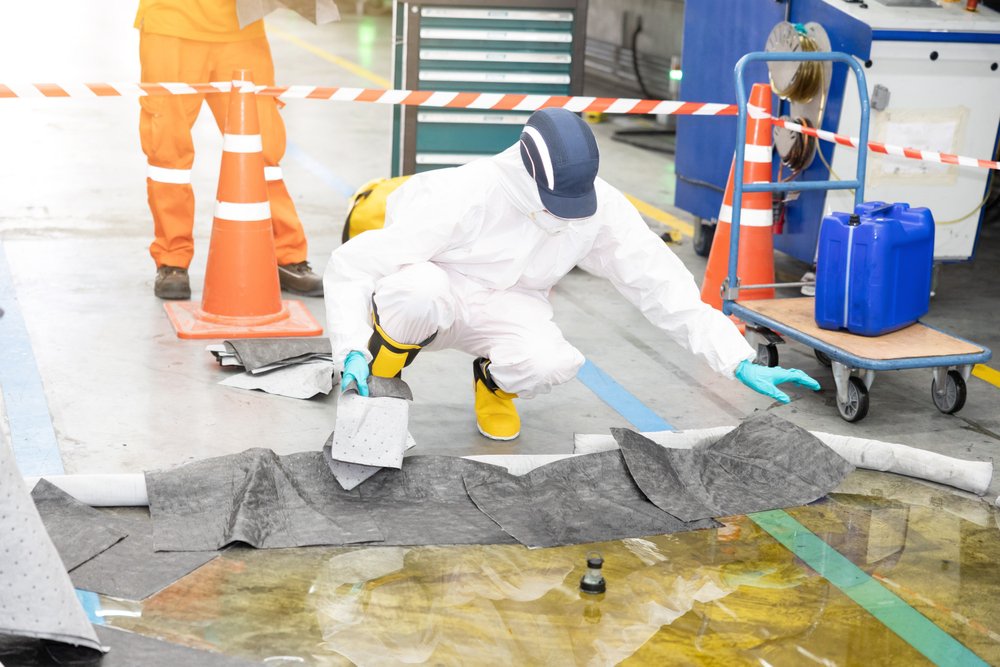
A chemical cleanup company contains a spill, removes the contaminated material, and documents where that waste ended up. Plant managers hire one when a release needs a trained, properly equipped crew rather than in-house staff with absorbent pads. Emergency Cleanings runs chemical and oil spill cleanup nationwide with vetted, licensed, insured local technicians, and your flat price is locked after a free on-site scope.
A chemical spill or hazardous material release gives little warning and less time to research solutions. The decisions made in the first hour after an incident determine how contained, compliant, and costly the outcome will be. Choosing the right chemical clean up company before an emergency occurs is one of the most practical steps any facility manager, property owner, or operations team can take. Having that relationship in place transforms a crisis into a managed response.
What Separates a Qualified Chemical Clean Up Company From the Rest
Not every company that uses the word "cleanup" in its name is equipped for chemical hazard response. The qualifications that matter most are certification, regulatory knowledge, equipment capability, and documented experience with the specific types of chemicals likely to be involved. A general cleaning contractor with no hazmat training is not a substitute for a certified chemical clean up company, regardless of availability or price.
OSHA's HAZWOPER standard, 29 CFR 1910.120, establishes the training requirements for workers involved in hazardous waste operations and emergency response. Personnel who respond to chemical spills are required to complete specific training hours and demonstrate competency in hazard recognition, protective equipment use, and decontamination procedures. Verifying that a company's staff holds current HAZWOPER certification is a non-negotiable first step in the vetting process.
Insurance and licensing are equally important. A qualified chemical clean up company carries general liability insurance, pollution liability coverage, and workers' compensation for all employees on site. These policies protect the client in the event of an incident during cleanup. Requesting certificates of insurance before signing any agreement is standard practice and a reasonable expectation for any reputable provider.
Response Time: Why It Defines a Chemical Clean Up Company's Value
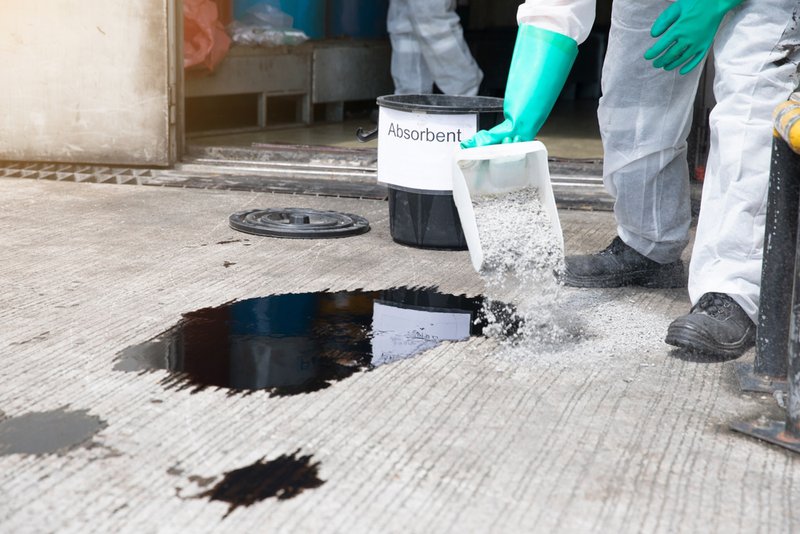
In chemical spill scenarios, response time directly determines the scope of damage and the cost of remediation. A spill that is contained within the first 30 minutes rarely becomes a facility-wide event. The same spill left unaddressed for several hours can migrate to drains, adjacent areas, and structural materials, multiplying both the cleanup complexity and the regulatory exposure.
A chemical clean up company's response capability depends on more than their stated availability. It depends on where their crews and equipment are staged, how their dispatch system operates, and whether they maintain pre-positioned resources in the regions they serve. A company that promises 24/7 response but dispatches from a single location hours away is not delivering the rapid response the promise implies.
Knowing when to call for emergency cleanups helps facilities establish internal protocols that trigger the right response at the right time. Many incidents escalate not because a qualified company was unavailable, but because internal decision-makers delayed the call while attempting to manage the situation independently. Clear protocols eliminate that delay.
Certifications and Compliance Credentials to Look For
Beyond HAZWOPER, a reputable chemical clean up company should hold or work in compliance with several additional regulatory frameworks. The EPA's Resource Conservation and Recovery Act governs the handling, storage, and disposal of hazardous waste generated during cleanup. Transporters of hazardous waste must also hold a valid EPA identification number and comply with Department of Transportation regulations for hazardous materials shipping.
State-level environmental agencies often impose additional licensing requirements that vary by jurisdiction. A company operating nationally needs to demonstrate familiarity with these variations and maintain compliance across every state where it provides services. Asking a prospective provider how they manage multi-state regulatory compliance is a reasonable and revealing question.
Industry certifications from organizations such as the Institute of Inspection, Cleaning and Restoration Certification add another layer of credibility. According to the IICRC's published standards, certified firms commit to ongoing education, ethical business practices, and adherence to industry-recognized cleanup protocols. These credentials signal a company that takes its professional obligations seriously.
Evaluating Equipment and Technical Capability
The equipment a chemical clean up company deploys reveals the true scope of its capability. Basic spill response requires absorbent materials, containment booms, personal protective equipment, and appropriate neutralizing agents matched to the chemical involved. More complex incidents involving vapor release, large-volume spills, or contaminated water systems require specialized extraction equipment, air monitoring instruments, and industrial decontamination systems.
Asking a prospective company to describe their equipment inventory and how it is matched to different chemical hazard categories is a practical evaluation method. A company that cannot clearly articulate this is unlikely to perform well under actual emergency conditions. Preparedness is demonstrated through specificity, not general assurances.
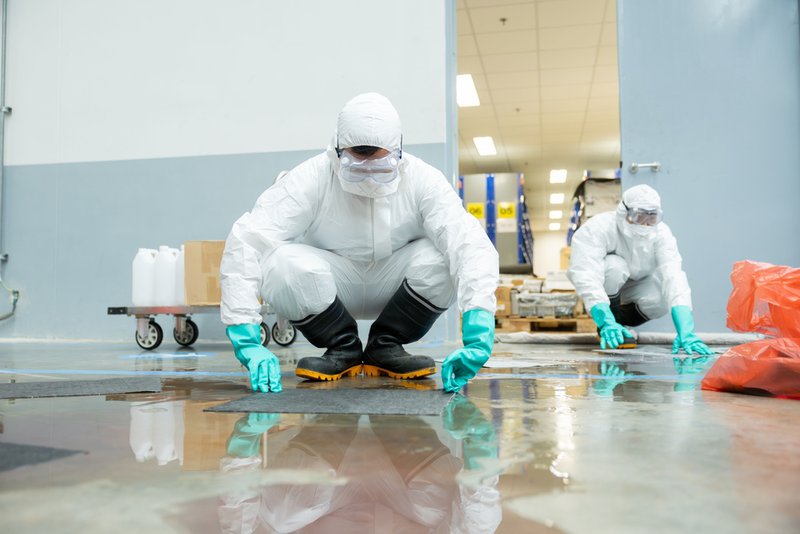
Waste disposal capability is another technical dimension that is easy to overlook. A chemical clean up company that can contain and remove hazardous material but lacks the licensing or logistics to dispose of it properly leaves the client with an unresolved compliance problem. End-to-end capability, from initial containment through final documented disposal, is the standard a qualified provider should meet.
Building a Pre-Incident Relationship With a Chemical Clean Up Company
The facilities and properties that recover from chemical incidents most efficiently are those that established a relationship with a cleanup provider before an incident occurred. Pre-incident agreements typically include a site familiarization visit, documentation of the chemicals present and their properties, agreed response protocols, and priority dispatch arrangements.
This preparation benefits both parties. The cleanup company arrives with knowledge of the site layout, the hazards present, and the client's operational priorities. The client benefits from faster response and a team that does not need to spend the first 20 minutes orienting themselves. The result is a more efficient, more compliant, and less costly response when it matters.
Pre-incident planning also creates an opportunity to identify gaps in the client's own emergency preparedness. A qualified chemical clean up company will often flag missing safety data sheets, inadequate secondary containment, or unclear internal escalation procedures during the familiarization process. That input has real value well beyond the cleanup itself.
A Chemical Clean Up Company Built for Fast, Compliant Response
At Emergency Cleanings, we provide professional spill cleanup and industrial cleanups with the speed, credentials, and compliance standards these situations demand. We also handle sewage backup cleanup and offer same day emergency cleaning for incidents requiring immediate deployment.
Frequently Asked Questions
How fast should a chemical cleanup company get to my plant?
Ask for a same-day commitment and an arrival window you can hold them to. Emergency Cleanings offers same-day response with a two-hour arrival window, and you get an ETA text once the technician is en route. Settle that expectation before an incident, not while product sits on the floor.
What should I verify before I hire one?
Start with proof of insurance, including liability coverage and workers' compensation for everyone who sets foot on your site. Then ask how the crew is trained for the chemicals you store, and who handles transport and final disposal. Disposal records you can request afterward are fair to ask about up front.
How does pricing work for a chemical spill cleanup?
Reputable providers price the job after they see it, not over the phone. Expect a free assessment, an on-site scope, then a flat price locked before anything begins. Financing is available, and a large job can be phased so a plant is not down longer than it needs to be.
What is outside a chemical cleanup company's scope?
Scope varies by provider, so ask directly. Our crews handle spill response, decontamination and industrial cleanups. We do not perform mold remediation, water damage restoration, fire restoration or plumbing repair, and knowing that boundary ahead of time keeps you from making a second call mid-emergency.
Call Emergency Cleanings at 888-560-8488 for a same-day response. A technician comes out for a free assessment, scopes the job on site, and locks your flat price before any work begins.