Emergency cleaning services cost is set job by job rather than from a published chart, because the price turns on what the contamination is and how far it moved into the building. Emergency Cleanings sends a technician out for a free on-site scope, then locks one flat price before any work starts, so a homeowner or property manager knows the number in advance. The work spans urgent deep cleaning through sewage and biohazard remediation, and financing is available on larger jobs.
When something goes badly wrong in a home or building — a sewage backup, a flood, a biohazard event, a property that’s become unlivable — the first question after “who can help?” is almost always “what will this cost?” Emergency cleaning services pricing is confusing because the term covers everything from an urgent deep clean to full biohazard remediation, and no two projects are alike.
This guide explains how emergency cleaning services cost is actually determined in 2026, why online price charts can’t predict your number, and how to tell which tier of service your situation needs.
Facing an emergency right now? Emergency Cleanings responds 24/7 with same-day service. Call 888-560-8488 for a free estimate.
Emergency Cleaning Services Cost: The Three Tiers
The single biggest driver of your price is which tier of work your situation requires — because each tier demands a different skillset, different equipment, and different disposal rules.
Tier 1: Urgent deep cleaning
A home that needs to be made presentable or livable fast — before a move, a family visit, or an inspection. This is intensive cleaning on an urgent timeline: standard skillsets, ordinary supplies, priced mostly by labor hours and how quickly you need the crew.
Tier 2: Damage and mess cleanup
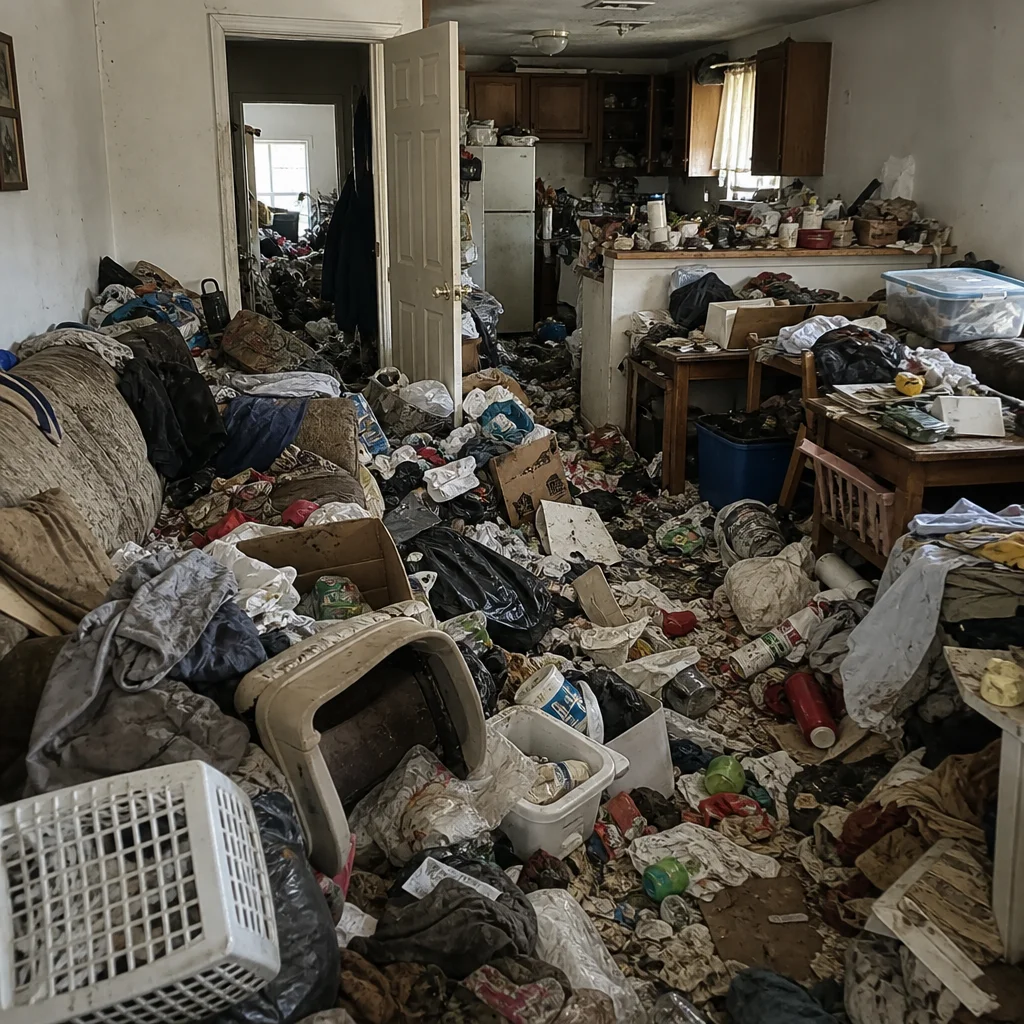
Sewage backups, water intrusion, severe filth, and heavy debris need extraction equipment, protective gear, and proper disposal — not just cleaning supplies. Costs here are driven by how far the contamination spread and what it soaked into. If sewage is involved, our sewage backup cleanup service page covers the process in detail.
Tier 3: Biohazard remediation
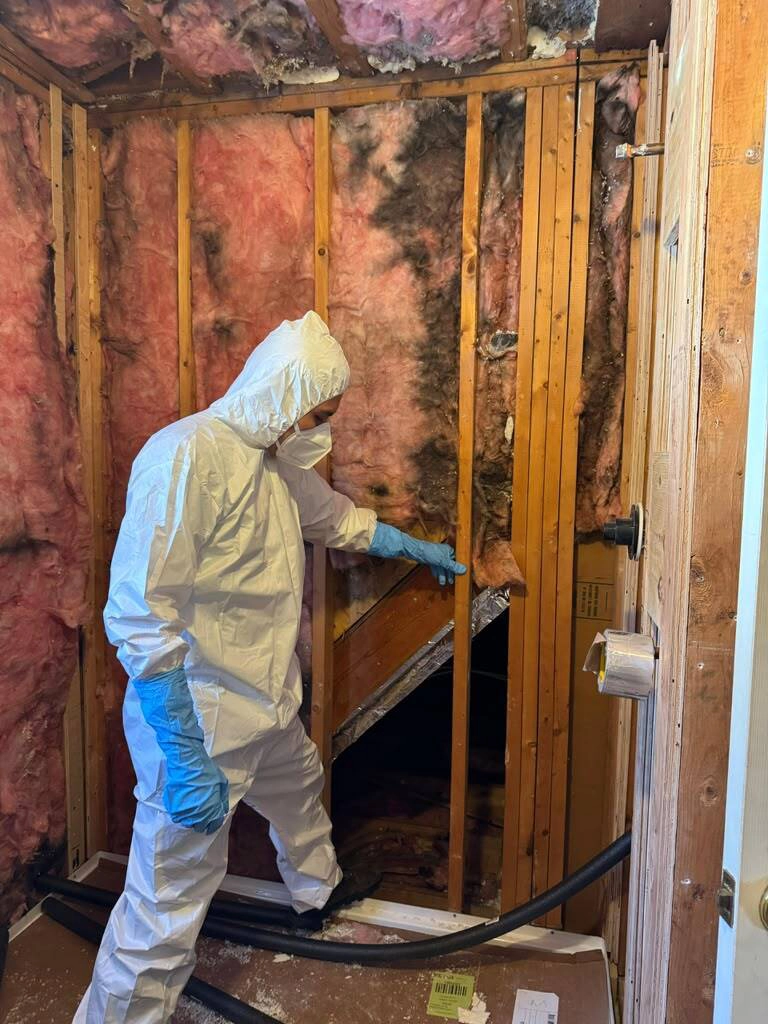
Blood, bodily fluids, unattended deaths, drug contamination, and infectious waste are regulated work. Technicians in this tier follow OSHA’s hazardous-materials standards, including 29 CFR 1910.120, and waste leaves the site through licensed medical-waste disposal. This is the most specialized — and most expensive — tier, and it’s not work a general cleaning company can legally or safely take on.
Why We Don’t Publish a Price Chart
Every emergency cleanup is a unique project requiring a unique combination of skillsets. We’ve seen jobs that looked severe on the phone resolve in an afternoon, and “small” jobs that uncovered contamination through three rooms of subfloor. Online cost charts — most of them years old — price by category or square footage, and neither predicts what your specific situation involves.
What actually determines your price:
- Contamination type. The hazard level sets the required skillset, protective equipment, and disposal pathway. A crew certified for biohazard work costs more per hour than a deep-cleaning crew — because it has to.
- Affected area. A contained bathroom event and a flooded basement are different jobs, even with the same contaminant. What matters is spread: walls, flooring, subfloor, HVAC.
- Response speed. True 24/7 availability costs providers money to maintain, and urgent dispatch carries a premium — but delay usually costs more, because contamination spreads and materials absorb damage by the hour.
- Disposal volume. Regulated waste can’t go in a dumpster. The volume and type of waste shape a real share of the final bill.
- What “done” means. Removal only, sanitized-and-deodorized, or fully restored are different scopes. Get the end state in writing.
What Happens When You Call
Here’s the process behind a professional emergency response, so you know what you’re paying for:
- Phone assessment (free). A few questions — what happened, how large an area, is anyone at risk — determine the crew, equipment, and a realistic range before anyone rolls a truck.
- On-site confirmation. The lead technician confirms scope on arrival. If the job is bigger or smaller than described, the estimate is corrected before work starts, not after.
- Containment and removal. The affected area is isolated so contamination doesn’t migrate, then contaminated material is removed and staged for proper disposal.
- Cleaning, sanitizing, deodorizing. Surfaces are cleaned and disinfected, and odor is treated at the source rather than masked.
- Documentation. Photos and a written scope — useful for insurance claims, landlords, or estate paperwork.
For businesses and property managers, the same tiers apply, but downtime becomes the bigger cost driver: a closed unit, office, or storefront usually costs more per day than the cleanup itself. That’s why commercial emergency work is quoted around speed as much as scope.
Will Insurance Pay for Emergency Cleaning?
Often, yes — for the damage tiers. Homeowners policies commonly cover biohazard and water-event cleanup when the cause is sudden and accidental rather than neglect. Urgency deep-cleans generally aren’t covered. A reputable company will document conditions thoroughly so your adjuster has what they need; we do this as standard practice.
How to Vet an Emergency Cleaning Company
- Ask what’s included in the quoted price — labor, equipment, disposal, and deodorization should be itemized.
- Confirm training and protective equipment for anything involving sewage or biohazards. If a “cleaning service” quotes a biohazard job at house-cleaning rates, that’s a warning sign, not a deal.
- Confirm real availability. “24/7” should mean a crew tonight, not a callback tomorrow. Our guide on what qualifies as an emergency cleanup can help you gauge urgency.
- Expect a free, specific estimate. For disaster scenarios, see what’s involved in emergency cleaning after fires, floods, or accidents.
Frequently Asked Questions
How much do emergency cleaning services cost?
There is no chart price, because two jobs with identical square footage can involve very different contamination and very different disposal. A technician scopes the property in person at no charge, and after that scope you get one flat price that is locked before work begins. Financing is available, and a large job can be phased so the most urgent areas get handled first.
Why is biohazard cleanup so much more expensive than regular cleaning?
Trained technicians, hazard-rated protective equipment, OSHA-compliant procedures, and licensed medical-waste disposal all cost real money — and they’re what make the space genuinely safe again rather than just visually clean.
How fast can a crew actually arrive?
Emergency Cleanings offers same-day response, 24/7, including holidays. Call 888-560-8488 and we’ll give you a realistic arrival window on the phone.
Do you charge for estimates?
No. Estimates are free, specific to your situation, and carry no obligation.
Will the cleanup be handled discreetly?
Yes. Technicians keep the reason for the visit between you and the crew, and that confidentiality holds from the first phone call through final disposal. If a neighbor or a tenant asks what is going on, nothing about your situation gets discussed. Disposal records are available on request if you need them for a claim or an estate file.
Get a Real Price, Fast
Charts tell you categories; only an assessment tells you what your job costs. Our emergency cleanup crews handle everything from urgent deep cleans to full biohazard remediation — one call, one team, no runaround.
Call 888-560-8488 now for a same-day response from Emergency Cleanings. The assessment is free and a technician scopes the job on site. You get one flat price, locked in before the crew starts work.