Table of Contents
- Why Standard Cleaning Gloves Aren't Enough for Biohazard Situations
- Understanding Biohazard PPE Regulations and OSHA Requirements
- The Essential Layers of Biohazard Protection Equipment
- Respiratory Protection: Choosing the Right Mask for Your Cleanup
- Hand and Skin Protection Against Biological Contamination
- Body Coverage and Contamination Barriers That Actually Work
- Eye and Mucous Membrane Protection in High-Risk Environments
- Proper Donning and Doffing Procedures to Prevent Exposure
- Why Our Team Exceeds Standard PPE Requirements
- How We Protect Your Home and Family During Remediation
- The Cost of Inadequate Protection vs Professional Standards
- Frequently Asked Questions (FAQ)
Why Standard Cleaning Gloves Aren’t Enough for Biohazard Situations
When you’re facing a hoarding situation, an unattended death, sewage backup, or any biohazard remediation scenario, the stakes for personal safety are extraordinarily high. The difference between standard cleaning supplies and proper biohazard personal protective equipment (PPE) isn’t just about comfort or convenience. It’s about preventing serious illness, infection, and long-term health complications that can emerge months or years after exposure.
We’ve learned through years of handling sensitive cleanups that proper PPE isn’t negotiable. It’s the foundation that allows our team to work safely while restoring your property to safe, livable condition. This guide explains what true biohazard protection looks like, why it matters, and how we approach safety on every job.
A box of latex gloves from the hardware store won’t protect you in a biohazard environment. Standard cleaning gloves are designed to protect your hands from everyday dirt and mild irritants, not from pathogens, bodily fluids, sewage, mold spores, or chemical contaminants.
Biohazard materials can penetrate standard gloves through microscopic tears, degradation from chemical exposure, or simple wear during extended work. Many common pathogens—including MRSA, hepatitis B, hepatitis C, and COVID-19—can survive on latex or nitrile surfaces and potentially transfer through small breaches you can’t see. Additionally, standard gloves lack the durability and chemical resistance needed for prolonged contact with biohazardous materials.
Proper biohazard gloves are thicker, made from materials resistant to puncture and degradation, and often paired with additional layers of protection underneath. Double-gloving (wearing two pairs simultaneously) is standard practice in professional remediation to prevent cross-contamination and provide backup protection if the outer glove tears. This layering approach is something we implement on every job, regardless of severity level.
What to do next: If you’re managing a cleanup yourself, never rely on standard gloves. At minimum, use nitrile gloves rated for biohazard use, but understand that professional-grade protection involves much more than gloves alone.
Understanding Biohazard PPE Regulations and OSHA Requirements
The Occupational Safety and Health Administration (OSHA) sets minimum standards for PPE when workers face biological and chemical hazards. These aren’t suggestions. They’re regulatory requirements that protect both workers and the public from contamination and disease transmission.
OSHA’s Bloodborne Pathogens Standard (29 CFR 1910.1030) and Hazard Communication Standard (29 CFR 1910.1200) establish that employers must provide appropriate PPE at no cost to employees, ensure it fits properly, and train workers in its use and limitations. For biohazard cleanup specifically, the standard requires barrier protection against blood and other potentially infectious materials (OPIM).
Different types of biohazards trigger different PPE requirements. Unattended deaths, trauma scenes, and sewage exposure demand higher-level protection than routine contamination. We assess each property carefully to determine the appropriate protection level, ensuring our team exceeds baseline OSHA minimums. This conservative approach reflects our commitment to safety over efficiency.
Understanding these regulations also matters if you’re coordinating with health inspectors, insurance companies, or legal representatives. Professional remediation documentation includes PPE protocols, showing that work was completed to recognized safety standards. This matters if your situation involves CPS concerns, property sales, or legal proceedings.
What to do next: Request that any cleanup contractor provide their OSHA compliance documentation and PPE protocols upfront. This demonstrates professionalism and accountability.
The Essential Layers of Biohazard Protection Equipment
Effective biohazard PPE functions as a system, not individual items. Each layer serves a specific purpose, and removing or downgrading any component compromises the entire protective strategy.
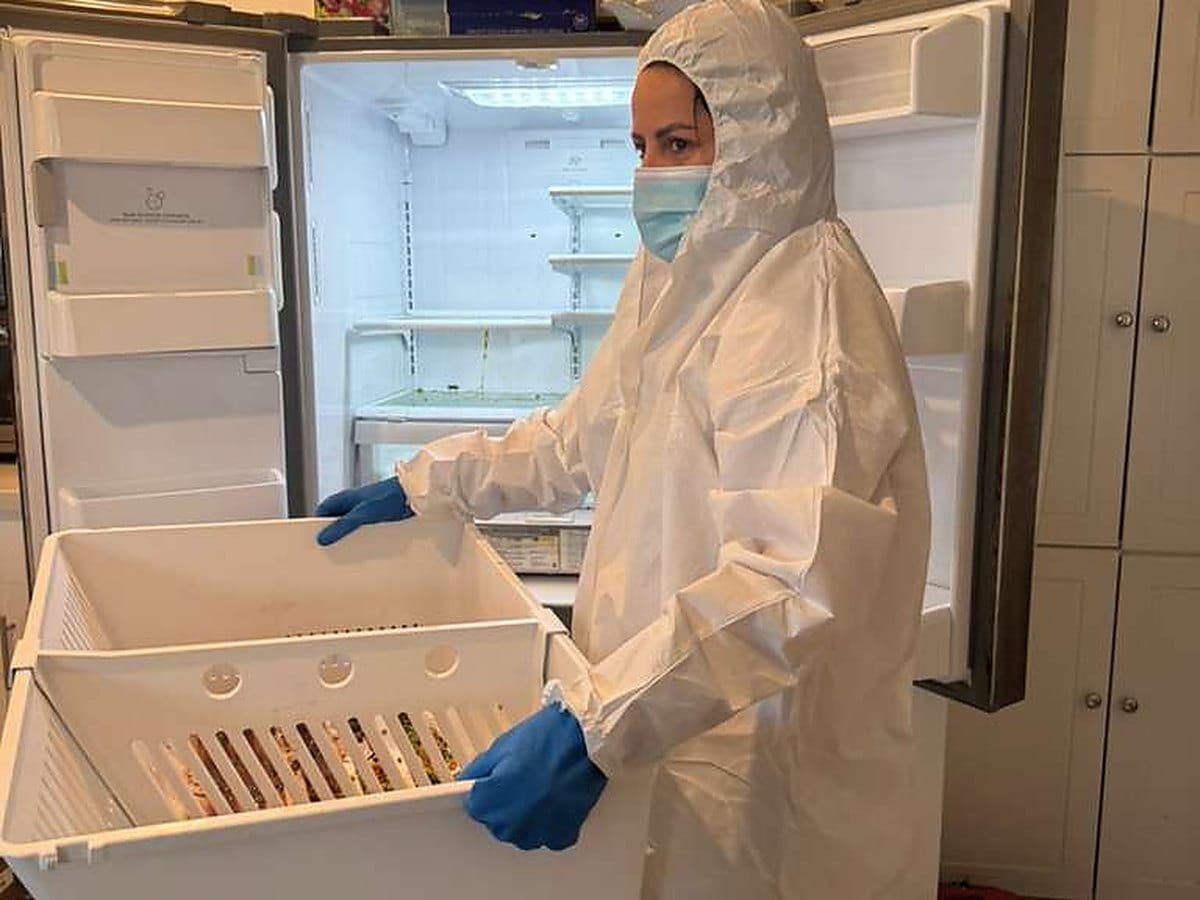
A proper biohazard setup typically includes:
- Eye protection (sealed goggles or face shields)
- Respiratory protection (N95, P100, or powered air-purifying respirator depending on contamination type)
- Hand protection (double nitrile gloves, often with inner latex or cloth liners)
- Body coverage (disposable Tyvek or similar material, often with double coverage on high-contact areas)
- Foot covering (shoe covers rated for fluid barrier protection)
- Head coverage (hood or head covering integrated with body suit)
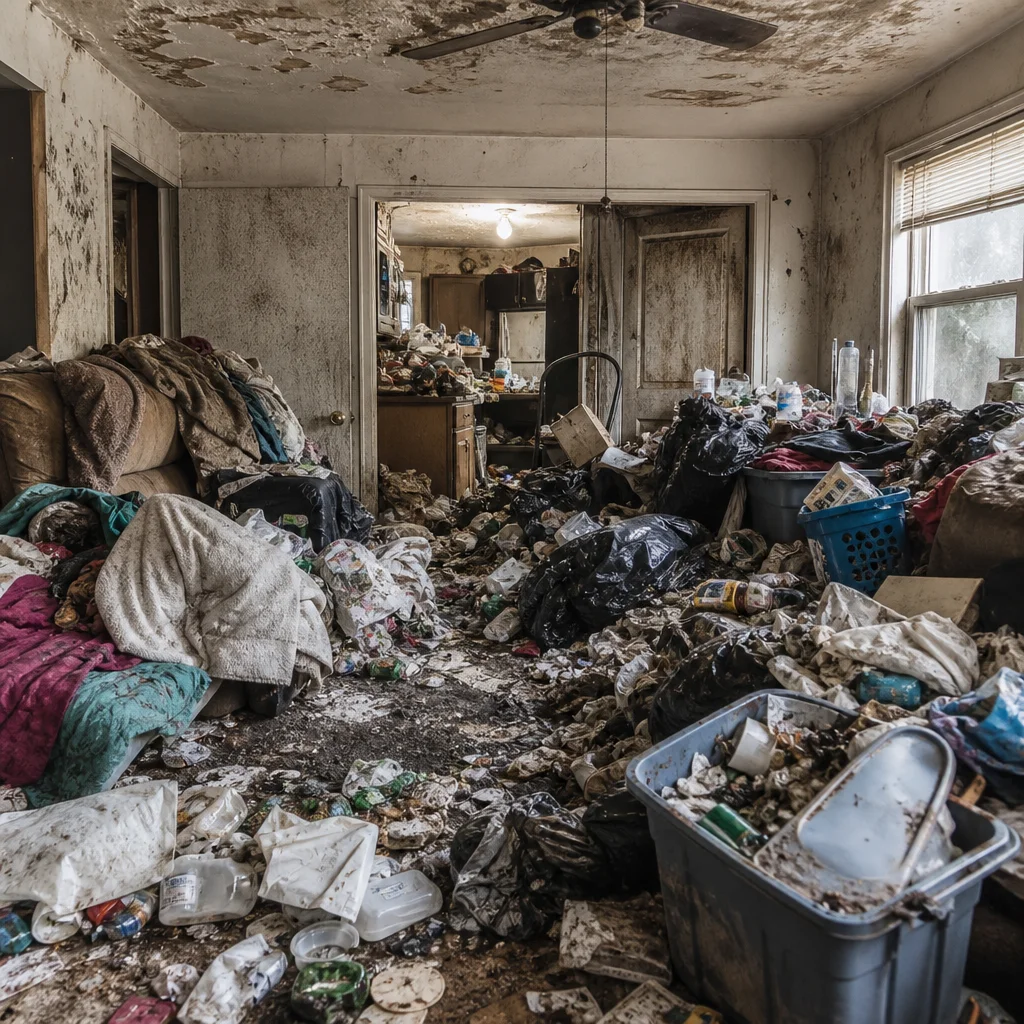
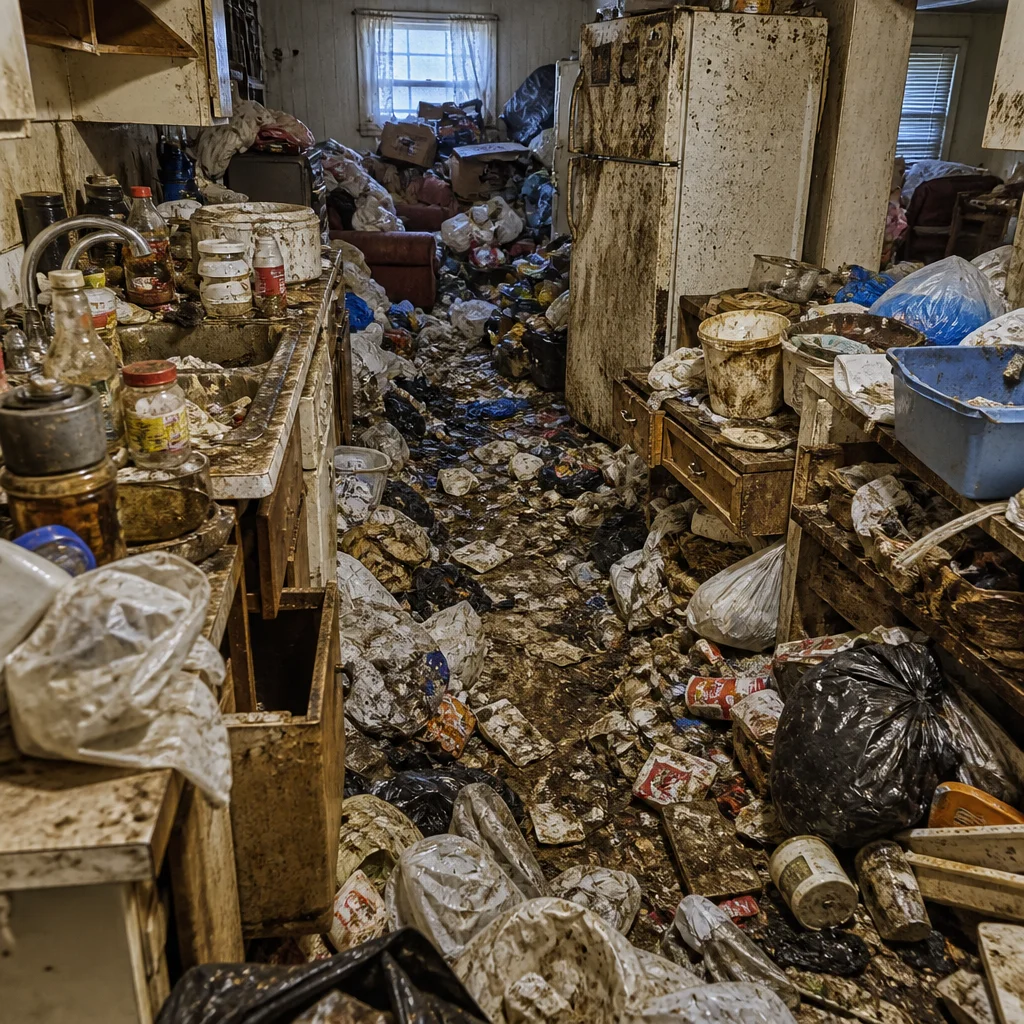
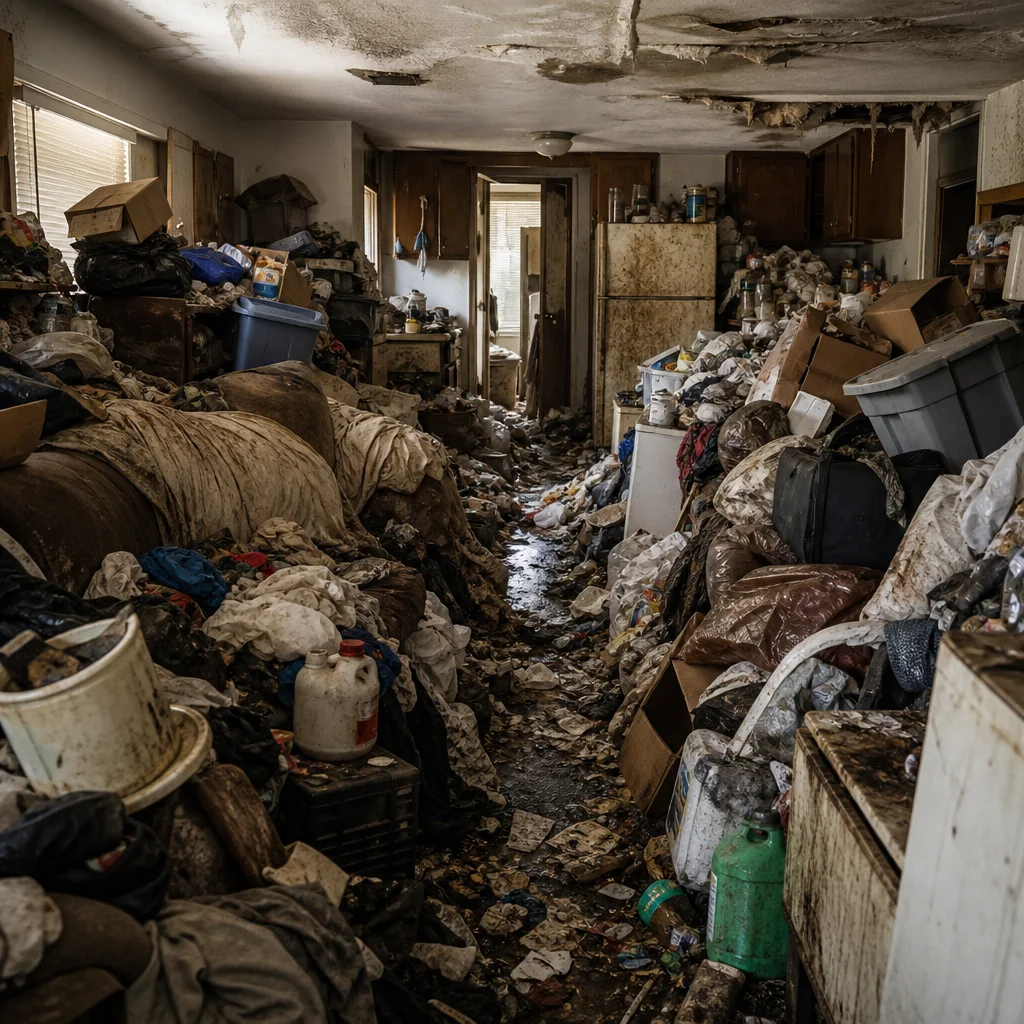
The specific configuration depends on the contamination present. A hoarding situation with mold and animal waste requires different protection than an unattended death scene or a sewage backup. Our team evaluates conditions on-site during initial assessment and arrives with appropriate PPE ready for deployment.
Many people assume one heavy suit handles everything. In reality, we often layer protection strategically. For example, in extreme biohazard situations, we might use a full-body suit with integrated hood and booties, paired with reinforced gloves, face shield, and respiratory protection, then add an outer layer that gets removed first to minimize contamination spread during doffing.
What to do next: If you’re gathering information about a cleanup estimate, ask specifically about the PPE configuration the contractor plans to use. This conversation reveals their understanding of the specific hazard.
Respiratory Protection: Choosing the Right Mask for Your Cleanup
Respiratory protection is perhaps the most critical element because inhalation exposure can cause immediate and delayed health effects. Spores, dust, aerosolized pathogens, and volatile organic compounds (VOCs) from decomposition or sewage can all be inhaled, causing respiratory infection, allergic reactions, or chemical exposure.
The type of mask depends on the contaminant. An N95 mask filters particles but doesn’t protect against gases or vapors. A P100 cartridge mask filters particles more effectively and lasts longer. For situations involving off-gassing (such as decomposition or chemical contamination), powered air-purifying respirators (PAPRs) or supplied air systems are necessary.
We fit-test our team members annually and maintain records proving they can achieve proper seal with the respirators we use. A respirator that doesn’t seal properly offers almost no protection. This requires proper selection by face size, correct insertion technique, and regular inspection for cracks or degradation.
For volatile organic compounds common in sewage or mold-heavy properties, we use multi-cartridge respirators with specific cartridge types rated for the contaminants present. A general-purpose cartridge won’t protect against ammonia or hydrogen sulfide, both of which are present in severe sewage situations and can cause serious respiratory damage.
What to do next: Never attempt a biohazard cleanup with a basic dust mask. If professional cleanup isn’t an option, wear a properly fit-tested N95 at absolute minimum, understanding this provides only baseline particle protection.
Hand and Skin Protection Against Biological Contamination
Your hands and forearms are your highest-risk exposure point during biohazard work because they’re directly manipulative surfaces constantly coming into contact with contaminated materials. Cuts, abrasions, or dermatitis on hands multiply the risk dramatically.
We use double-gloving with specific material combinations. An inner glove (often latex-free to reduce allergy risk) stays on throughout work, then outer gloves are replaced frequently as they become visibly soiled. This prevents the outer contamination from compromising the inner layer. Additionally, many of our team members wear long-sleeved under-gloves (sometimes called arm covers or glove liners) that extend from wrist to mid-forearm, providing coverage for the gap between glove and sleeve.
Glove selection matters tremendously. We avoid latex where possible due to allergy prevalence, favoring nitrile rated for biohazard use. Thickness matters too. Professional biohazard gloves are typically 8-12 mil thick (compared to standard exam gloves at 3-4 mil), providing puncture resistance and extended durability. Despite this, we replace outer gloves frequently, often every 15-20 minutes in high-contamination environments.
After removal (proper doffing, discussed below), hand washing with soap and water for at least 20 seconds is essential. Hand sanitizer alone is insufficient after biohazard exposure. Some pathogens and many chemical residues require mechanical removal through washing.
What to do next: When selecting contractors, ask about their glove replacement protocol and whether they double-glove. Frequent glove changes indicate methodical, protective work practices.
Body Coverage and Contamination Barriers That Actually Work
Full-body coverage isn’t excessive when dealing with biohazards. Splashing, aerosol particles, or direct contact with contaminated materials can occur unexpectedly, and skin exposure risks serious infection.
Disposable protective suits made from materials like Tyvek provide barrier protection against fluid splash and particle contamination. We choose suits rated for liquid barrier protection, not just particle protection. The material must resist puncture from sharp objects (needles, broken glass, or bone fragments common in contamination sites) and resist degradation from contact with blood, bodily fluids, or chemical contaminants.
Head and foot coverage receives equal attention. We use hoods integrated with suits or worn separately to prevent hair and scalp exposure. Shoe covers must be rated for fluid barrier protection and must extend high enough to cover the gap between pants leg and shoe. We often double-cover feet in extreme situations, adding a second layer that’s removed first to minimize contamination spread.
For exceptional situations (unattended deaths, extreme hoarding with severe fecal contamination, sewage backups), we may use double-suit configurations with outer suits that remain at the contamination site for disposal, rather than being worn beyond the property boundary. This prevents any possibility of carrying contaminants to vehicles or other locations.
What to do next: Ask your contractor whether they use disposable or reusable suits. Disposable is preferable because reusable suits require industrial laundering protocols to eliminate pathogens.
Eye and Mucous Membrane Protection in High-Risk Environments
Eyes, nose, and mouth are mucous membranes where pathogens and contaminants can easily penetrate tissue. Splashing is a real hazard during many biohazard cleanups, particularly when handling sewage or decomposition sites.
We use sealed eye protection (goggles or face shields rated for chemical and biological hazards) rather than open-sided safety glasses. Open-sided glasses leave gaps where splashing liquid can reach eyes. Full face shields provide additional protection for the face and nose, though they must be combined with respiratory protection to protect inhalation pathways.
In situations involving strong odors (decomposition, severe hoarding with fecal contamination), vapor can irritate and potentially damage mucous membranes. Respiratory protection addresses the inhalation component, but eye protection handles the vapor irritation and prevents splashing from reaching eyes.
We verify that eye protection is rated for the specific hazards present. Chemical splash requires different certification than biological splash. During initial assessment, we identify the specific contaminants and ensure our PPE matches those specific risks.
What to do next: If you’re present during any biohazard cleanup (which we don’t generally recommend), wear sealed goggles, not just glasses. Even observing from a distance, splashing and aerosolization can occur unexpectedly.
Proper Donning and Doffing Procedures to Prevent Exposure
Putting on (donning) and removing (doffing) PPE sounds simple but is actually where most cross-contamination occurs. We follow strict protocols with a specific sequence, contamination-control checkpoints, and verification steps.
Donning begins outside the contamination area. We dress systematically: base layers, then foot covers, then outer suit with integrated hood, then respiratory protection, then gloves, then goggles. This sequence ensures each layer covers gaps from the previous layer. We verify suit integrity, seal all openings, and confirm respirator seal before entering the contamination zone.
Doffing is reverse sequence but with critical contamination management. Outer gloves are removed and placed in contamination bags. Foot covers are carefully removed by peeling from the top down, avoiding contact with bottom surfaces. The outer suit is peeled off carefully, turning it inside-out as it’s removed to contain any contamination on the outer surface. Only after exiting the contamination area do we remove respiratory protection and final layers.
This process takes time. Rushing increases contamination risk. We budget 5-10 minutes for proper doffing on every job. All removed PPE goes directly into biohazard waste containers for incineration. Nothing is left to chance.
We train our team quarterly on doffing procedures and occasionally observe and correct technique on-site. This discipline prevents the cross-contamination that could expose workers or spread contamination to unaffected areas of a property.
What to do next: If you hire professionals, ask how much time they allocate for doffing. If they brush it off as quick process, that’s a red flag indicating inadequate contamination control.
Why Our Team Exceeds Standard PPE Requirements
OSHA standards establish minimum requirements. We operate above those minimums because we’ve learned that minimum protection is precisely that, and real-world contamination often exceeds what regulations anticipate.
Our approach includes redundancy. If one protective layer fails, backups remain in place. We fit-test respirators more frequently than required. We replace PPE more frequently than standard practice dictates. We document everything to demonstrate our commitment to safety, both internally and to customers who need verification for insurance, legal, or health department purposes.
We also invest in higher-quality materials. Premium Tyvek suits, medical-grade respirators, and professional-grade gloves cost more than bare-minimum alternatives. This investment reflects our values and our long-term commitment to our team’s health.
Beyond equipment, we provide comprehensive training. Every team member understands the specific hazards on each job, the contamination pathways that pose highest risk, and the precise PPE configuration appropriate for that specific situation. Training covers not just donning and doffing but also decontamination procedures, waste handling, and what to do if exposure occurs.
This approach requires time and expense. But it ensures our team works safely, our customers have properties restored by professionals they can trust, and our reputation remains built on proven safety protocols.
What to do next: Request that any contractor share their PPE protocols and training documentation. Transparency indicates confidence in their practices.
How We Protect Your Home and Family During Remediation
PPE protects our team. Containment and decontamination procedures protect your home and family.
We establish work zones with physical barriers that prevent contaminated materials or pathogens from spreading to unaffected areas. Negative air containment systems pull air out of contaminated zones, ensuring air doesn’t drift to living areas. All contaminated waste goes into marked biohazard containers for appropriate disposal.
We use decontamination misting or fogging in areas where airborne contamination occurred, reducing pathogen loads in air and on surfaces. We provide documentation showing work completion and final condition. Insurance companies and health departments often require this verification, and we maintain detailed records.
Our unmarked vehicles ensure discreet service, respecting your privacy. Neighbors won’t know what’s happening, protecting your dignity during an already difficult time. Same-day assessments mean we understand your situation quickly and can begin work promptly, reducing the time your property remains contaminated.
Flat-rate pricing ensures there are no surprises. You know costs upfront. Our team doesn’t rush through jobs, doesn’t cut corners to reduce time, and doesn’t compromise PPE protocols to save money. Charging flat rates means we can dedicate whatever time is necessary to do the job safely and completely.
What to do next: Contact us for a same-day assessment. We’ll evaluate conditions, explain the specific hazards present, describe the PPE and containment measures we’ll use, and provide a flat-rate quote with no hidden fees.
The Cost of Inadequate Protection vs Professional Standards
The financial and health costs of inadequate protection are staggering. A single infection from biohazard exposure can mean hospitalization, medication, ongoing medical care, and potential permanent health complications. Lost work time, psychological trauma from exposure, and workers’ compensation claims create ripple effects.
Someone attempting DIY biohazard cleanup with standard supplies might save a few hundred dollars upfront. But if that person or a family member becomes ill from exposure, healthcare costs, lost income, and potential legal liability dwarf any savings. Insurance companies often decline to cover illnesses resulting from failure to use appropriate PPE during biohazard situations.
Contractors using inadequate PPE may charge less initially. But their lower costs reflect lower investment in safety, training, and appropriate equipment. If exposure occurs on their watch, your property isn’t protected, and their inadequate insurance (or lack thereof) means you bear ultimate liability.
Professional standards, proper PPE, and thorough containment procedures cost more because they’re comprehensive and protective. This investment eliminates risk. Our flat-rate pricing means there’s no financial incentive to cut corners, rush, or use inadequate equipment. We charge what the job requires, no more and no less.
Beyond immediate safety, professional remediation protects your property value, supports any future property sale, satisfies insurance requirements, and creates documentation for legal or health department purposes. The costs of professional remediation are genuine expenses, but they’re expenses that prevent far greater costs later.
What to do next: Get a professional quote for your situation. Compare it not against DIY or discount options, but against the genuine cost of potential exposure, illness, liability, or incomplete remediation. When evaluated honestly, professional standards become an obvious investment, not an expense.
When you’re facing a hoarding situation, an unattended death, sewage damage, or any biohazard contamination, reach out to us at https://emergencycleanings.com. We provide compassionate, professional remediation with safety standards that exceed regulations, flat-rate pricing with no surprises, and discretion that respects your privacy. Same-day assessments mean we can address your situation immediately, with a team trained in proper PPE protocols and committed to protecting you, your family, and your property.
For further reading: Biohazard safety standards.
Frequently Asked Questions (FAQ)
What PPE standards do we follow during biohazard cleanup?
We adhere to all OSHA regulations and exceed standard PPE requirements for every remediation we perform. Our team uses multiple protective layers including specialized respirators, full-body suits, chemical-resistant gloves, and eye protection rated for biological contamination. We treat every situation as a high-risk environment to ensure both our crew and your family remain completely safe throughout the process.
Why can’t we just use standard cleaning supplies and equipment for hoarding or biohazard situations?
Standard household cleaning products and regular gloves simply cannot protect against the pathogens, mold, bacteria, and chemical hazards present in extreme property conditions. We use medical-grade disinfectants, specialized equipment, and industrial-strength PPE specifically designed for contamination handling that everyday cleaning supplies cannot match. Attempting this work without proper protection creates serious health risks for anyone involved.
How do we prevent cross-contamination when we leave your property?
We follow strict donning and doffing procedures to ensure our team removes all contaminated gear safely before leaving your home and doesn’t spread biohazards to other areas. Our unmarked vehicles are equipped with containment systems, and we dispose of all hazardous materials according to federal regulations. We document every step of our work so you have complete records for insurance, legal, or health department purposes.