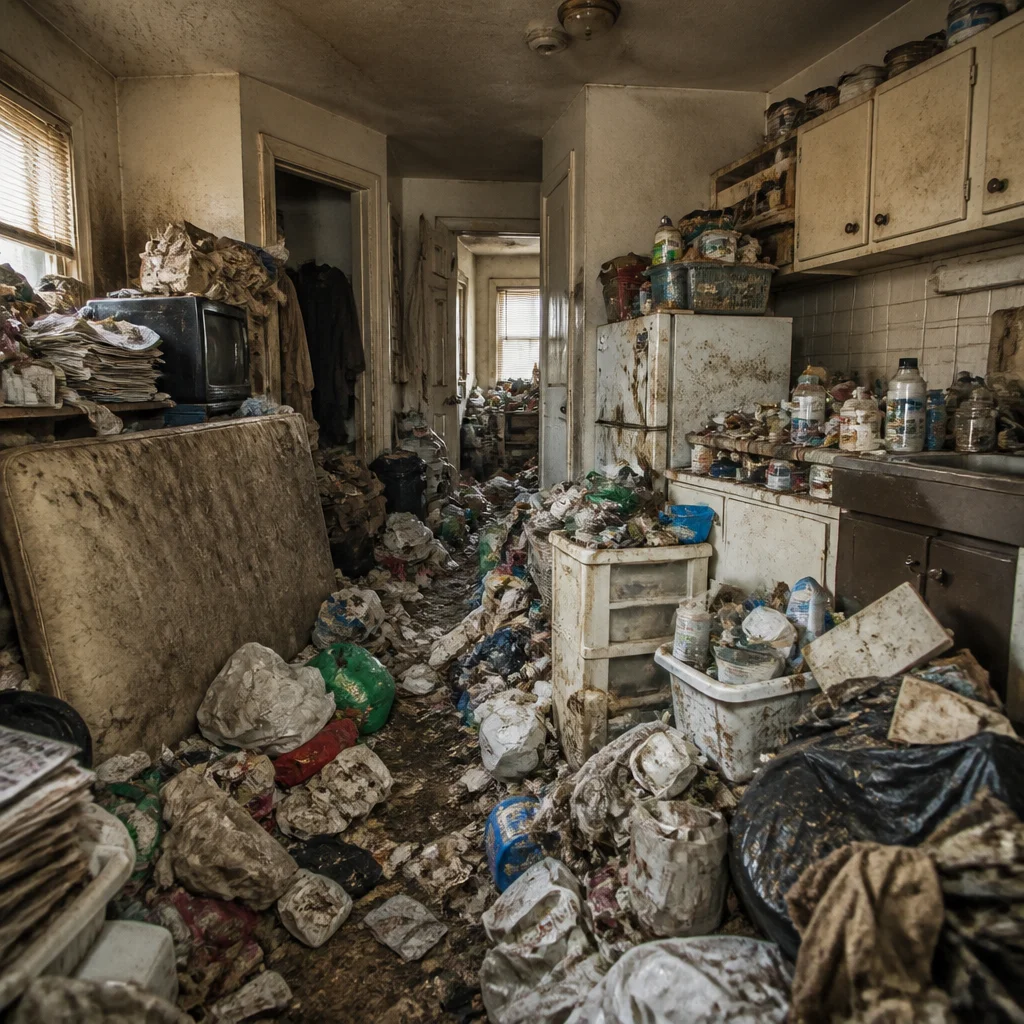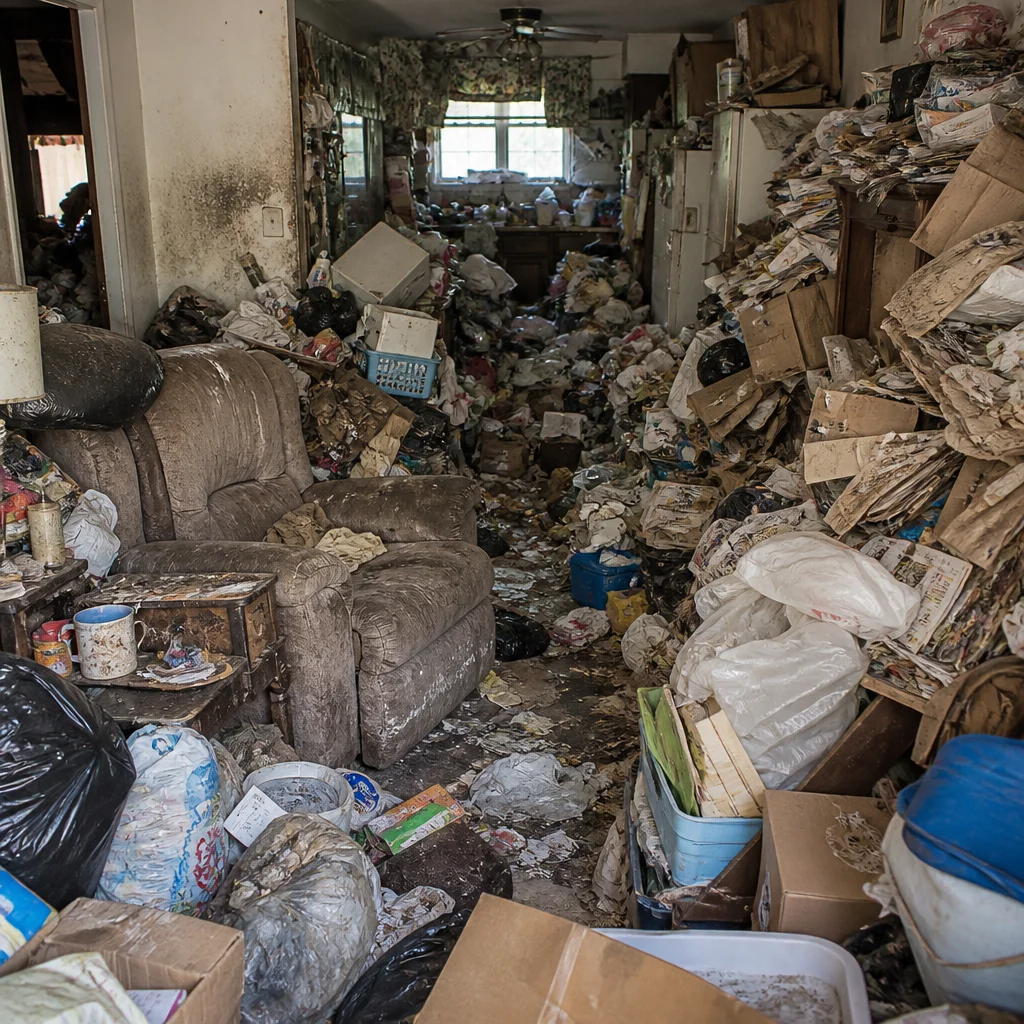
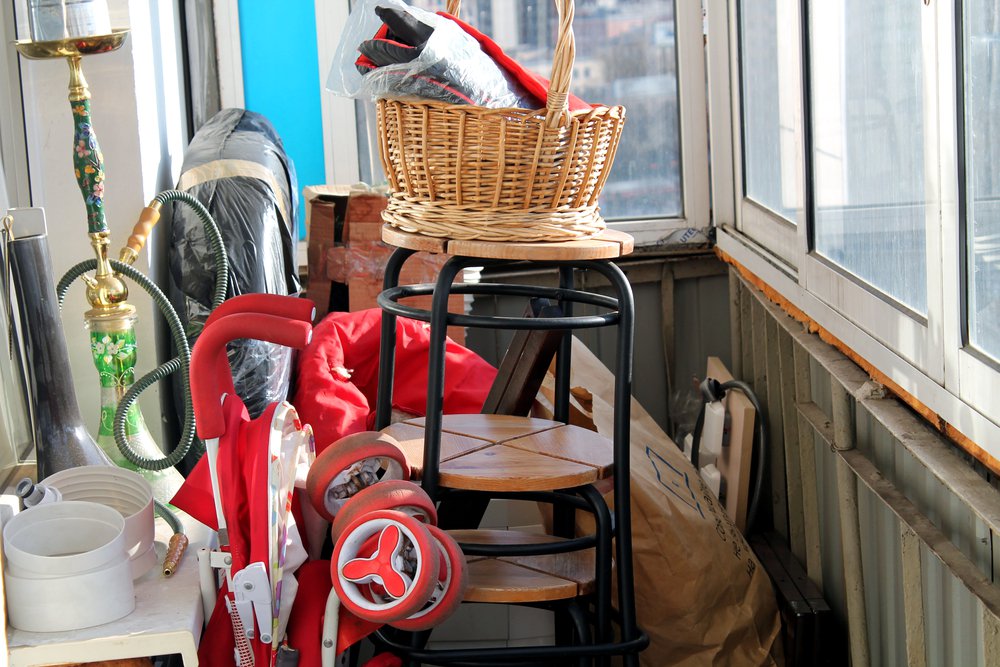
Household junk removal service in a severe cleanup situation means clearing a home where accumulation has reached the point of blocked exits, pest activity, or biohazard contamination, then cleaning what is underneath it. The work covers assessment, sorting, hauling, and regulated waste disposal, which is a wider scope than a standard truck and crew handles. Emergency Cleanings does this work nationwide with vetted, licensed, insured local technicians, and the junk removal service starts with a free on-site scope and a flat price locked before anyone touches an item.
Most households accumulate clutter over time. But there is a significant difference between ordinary clutter and the kind of accumulation that creates genuine safety and health risks. The removal of household junk in severe situations requires a structured, professional approach that standard junk removal services are not equipped to provide. Knowing what separates routine disposal from a complex cleanup helps families and property representatives make better decisions when conditions have escalated.
When Household Junk Removal Becomes a Safety Issue
Clutter becomes a safety concern when it restricts movement, blocks exits, or creates conditions that support pest activity and mold growth. At that threshold, the problem has moved beyond inconvenience into genuine risk. Fire codes in most jurisdictions require clear egress pathways in residential properties, and accumulated debris that blocks exits creates both a legal and a life-safety issue.
The weight of accumulated materials can also compromise structural integrity over time. Floors in older homes are not always designed to bear the sustained load of densely packed junk across large surface areas. Structural stress from excess weight has been documented as a contributing factor in floor failures in severe hoarding situations. The risk is not hypothetical for properties where accumulation has been ongoing for years.
Pest infestations thrive in environments where junk provides nesting material, food sources, and shelter. Rodents, cockroaches, and other pests establish colonies quickly once conditions support them. Their presence introduces pathogens that spread to surfaces throughout the home, creating a biohazard problem layered on top of the existing accumulation.

How Removal of Household Junk Differs From Standard Junk Removal
Standard junk removal services are designed for manageable volumes of ordinary waste. They are not equipped to handle situations involving biohazardous materials, heavily contaminated items, regulated waste streams, or the emotional complexity of a hoarding environment. Sending a standard crew into a severe cleanup situation creates risk for the workers and typically results in incomplete or non-compliant removal.
Severe household junk situations require a team that can assess contamination before items are handled, sort materials according to disposal category, apply appropriate protective protocols throughout the process, and document removal in a way that satisfies regulatory requirements. This is a fundamentally different scope of work from loading a truck with unwanted furniture.
Knowing when to call for emergency cleanups rather than a standard junk service is a practical distinction that affects both the outcome and the cost of the project. Attempting to use the wrong type of service for a severe situation often results in incomplete work, followed by a call to a specialty provider anyway. Starting with the right team saves time, money, and unnecessary exposure.
Sorting and Disposal: What the Process Actually Looks Like
Professional removal of household junk in severe situations begins with a thorough assessment. Teams evaluate the volume and type of materials present, identify any biohazardous or regulated items, and determine the appropriate disposal pathway for each category. This assessment drives the work plan and the equipment required.
Sorting is a critical step that standard junk services routinely skip. In severe accumulation situations, salvageable items, recyclable materials, regulated waste, and general debris are mixed together throughout the space. Proper sorting ensures that items with potential value are not discarded unnecessarily, and that regulated materials such as chemicals, electronics, and biohazardous waste are disposed of through compliant channels.
Disposal of materials from severe cleanup situations is governed by local, state, and federal regulations that vary by material type. Household hazardous waste including paints, solvents, pesticides, and batteries cannot be disposed of in standard waste streams. The EPA's guidelines on household hazardous waste outline the proper management requirements for these materials, which professional cleanup teams are trained and equipped to follow.
The Emotional Dimension of Junk Removal in Hoarding Situations
For individuals with hoarding disorder, the removal of household junk is not a purely logistical event. Items that appear to others as waste often carry significant emotional meaning for the person who collected them. Approaching removal without acknowledging this reality tends to create resistance, conflict, and in some cases, a rapid return to accumulation after cleanup is complete.
Professional teams experienced in hoarding-related cleanups understand how to work with this dynamic rather than against it. The pace of removal, the degree of involvement given to the individual, and the communication style used throughout the process all affect how the person experiences and recovers from the cleanup. A compassionate approach does not slow the work down. It makes the outcome more durable.
Family members involved in the process also benefit from a professional buffer. When a loved one's belongings are being removed, tensions can run high on all sides. Having a trained, neutral team manage the physical work allows family members to focus on emotional support rather than becoming the direct agent of removal. That distinction matters for the relationship long after the cleanup is finished.
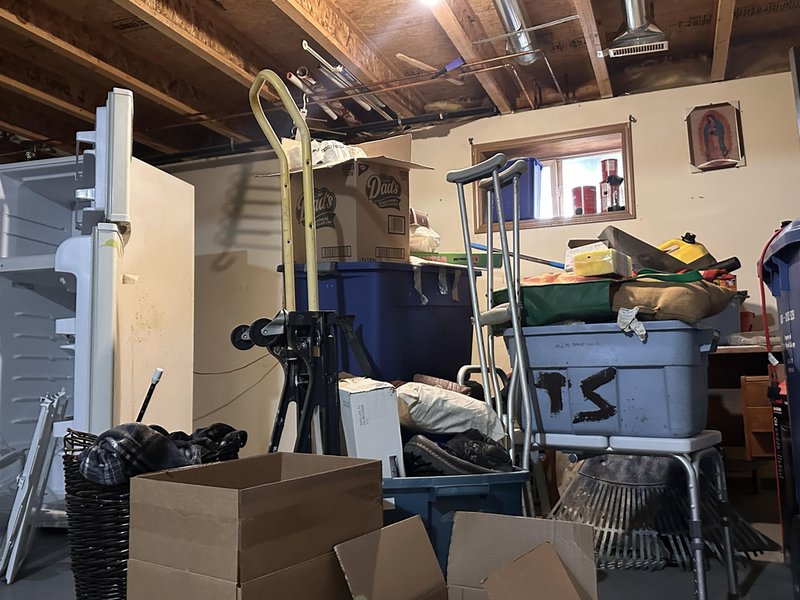
Regulatory Compliance in Severe Household Junk Removal
Compliance is a dimension of severe junk removal that most property owners and managers do not think about until it becomes a problem. Improper disposal of regulated materials can result in fines, code violations, and, in some cases, legal liability. In managed residential properties, documentation of proper disposal also protects the facility in the event of future regulatory scrutiny.
Professional removal teams maintain records of what was removed, how materials were categorized, and where and how disposal was completed. This documentation trail is standard practice for reputable specialty cleanup providers. It also serves as evidence of due diligence for property managers who may face questions about the condition of a unit or the handling of a resident's belongings.
According to the National Institute of Environmental Health Sciences, improper handling of mold-contaminated materials during cleanup can release spores that spread contamination to previously unaffected areas. This is one of many examples where cutting corners on compliance creates a larger problem than the one being addressed. Professional protocols exist because the risks are real and documented.
Frequently Asked Questions
How fast can someone get to a severe junk removal job?
Emergency Cleanings responds the same day in most cases. You get a two-hour arrival window and a text with an ETA once the technician is on the way. For large properties the work can be phased over several days so the household is not displaced all at once.
What does household junk removal cover, and what falls outside it?
Crews handle general debris, furniture, spoiled contents, hoarding accumulation, and biohazard cleanup such as feces and urine contamination left behind by pests or animals. Regulated items like paints, solvents, and electronics go through compliant disposal channels, and disposal records are available on request. Mold remediation, water damage, fire restoration, and plumbing repair are not part of the service.
How is the price set for a junk-out of this size?
A technician scopes the property on site at no charge, then quotes one flat price for the whole job. That number is locked before work begins, so volume surprises behind a wall of boxes do not change what you pay. Financing is available on larger jobs.
Will the neighbors know what is happening?
Discretion is part of how these jobs are run. Crews keep conversation off the sidewalk and treat what they see inside as confidential. Property owners get a clear account of what was removed and where it went.
Professional Removal of Household Junk, Done Right
At Emergency Cleanings, we handle severe accumulation and hoarding cleanup situations with trained teams, proper equipment, and full regulatory compliance. Our same day emergency cleaning service is available for situations that require immediate action.
Junk removal, hazardous waste disposal, and hauling are performed by licensed and insured local technicians who meet applicable local, state, and federal requirements. Call Emergency Cleanings at 888-560-8488 for a same-day response. The assessment is free, a technician scopes the property on site, and the flat price is locked before work begins.