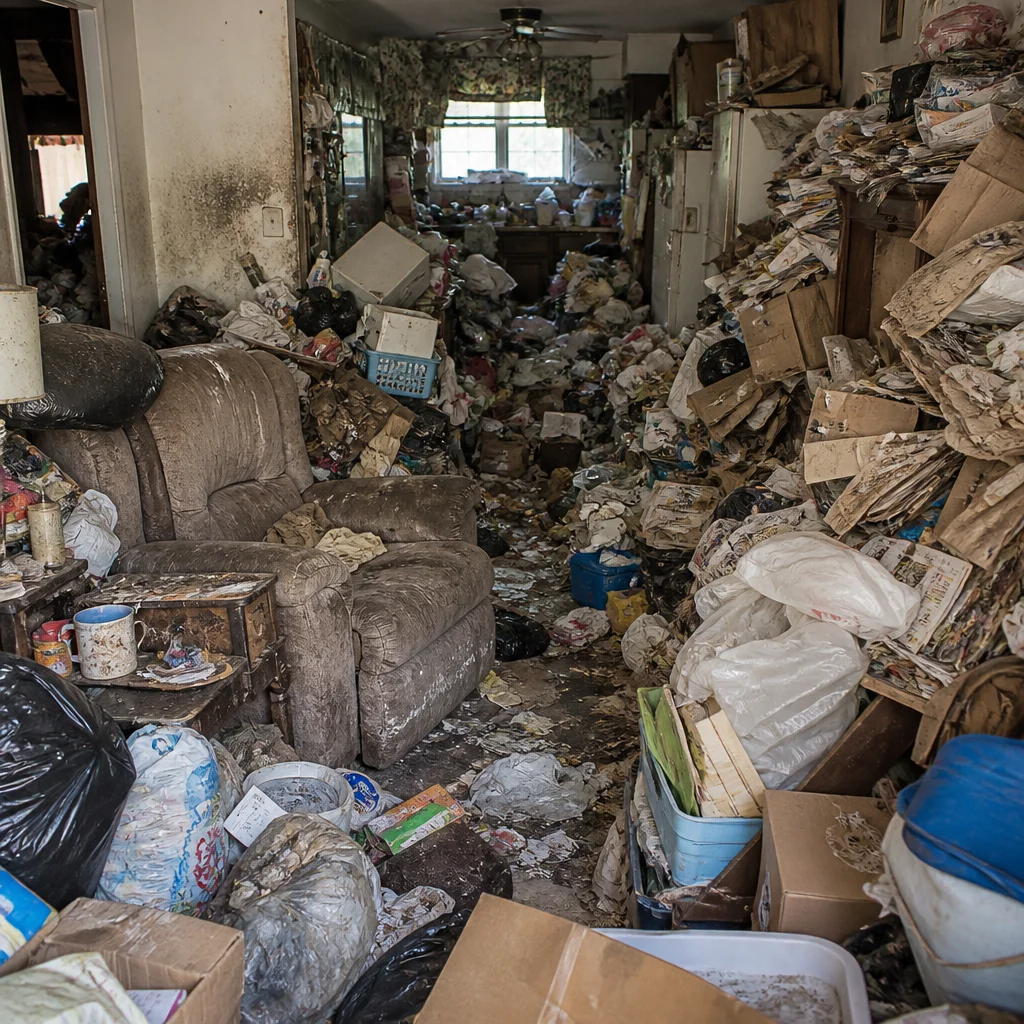
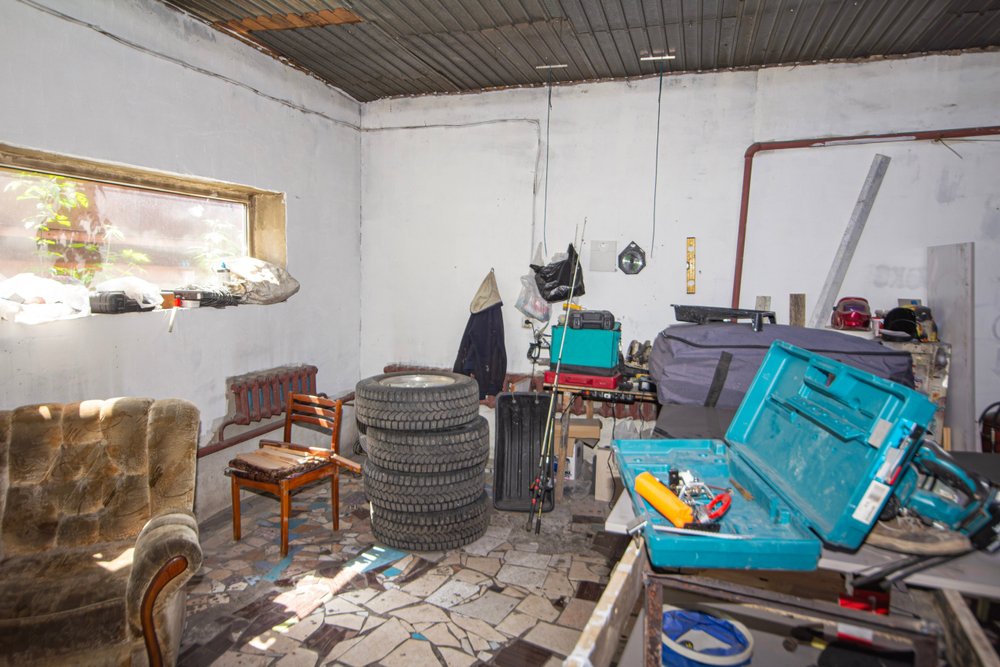
Hoarding builds out of the way a person handles emotion and decisions, and the reasons behind it are rarely simple. The patterns described most often are attachment to belongings, trauma or loss, perfectionism that stalls every decision, and saving habits learned at home. Emergency Cleanings handles the cleanup side for households living with the result, through a hoarding cleanup service priced as a flat fee locked after a free on-site scope.
Every hoarded home tells a story that starts long before the clutter appears. To an outsider, it may look like chaos, but beneath the surface are years of emotional patterns, personal pain, and coping mechanisms that developed into a way of life. Learning what causes hoarding sheds light on how to approach it with understanding and compassion, and how to create a path toward recovery.
What Causes Hoarding?
While hoarding is visible in piles of possessions, its origins are hidden in how people process emotion and make decisions. According to research, brain imaging of individuals with hoarding disorder shows differences in decision-making and emotional regulation. Areas that process risk and emotional significance are hyperactive when they consider discarding an item, meaning even small decisions can trigger intense stress.
This neurological insight helps explain why hoarding persists despite awareness of its impact. It is not simply about mess or disorganization; it is about the brain linking safety and control to physical possessions.
Emotional Attachment and the Fear of Loss
A central cause of hoarding is emotional attachment to objects. Items can represent memories, achievements, or people who are no longer present. Letting go may feel like erasing a part of one’s history. This emotional reasoning often intensifies after major life changes such as bereavement, divorce, or relocation.
Before listing the most common attachment-based behaviors, it helps to understand that the connection to objects is deeply symbolic. The possessions are less about function and more about identity and safety.

Behaviors often linked to emotional attachment include:
- Keeping items that belonged to loved ones who have passed away.
- Saving everyday items like receipts or packaging as memory triggers.
- Equating cleanliness or discarding with disrespect or loss.
- Feeling responsible for preserving family history or heritage.
When emotional meaning outweighs practicality, discarding becomes painful. Professional help, including therapy and structured cleanup, can help balance emotional needs with physical safety.
After these attachments are acknowledged and validated, gradual decluttering becomes more manageable and less distressing.
The Role of Perfectionism and Decision Paralysis
Perfectionism is a powerful but often overlooked contributor to hoarding. People who struggle with perfectionism tend to delay decision-making for fear of making the “wrong” choice. The result is paralysis. Nothing is discarded because every item feels potentially useful or valuable.
Studies suggest that individuals with hoarding tendencies experience heightened anxiety when forced to make irreversible decisions. The stress of choosing what to keep or throw away causes avoidance, leading to accumulation.
Breaking this cycle involves retraining how individuals evaluate their possessions. Structured sorting, clear criteria, and small, consistent steps help build confidence in decision-making, turning progress into a manageable process rather than an overwhelming task.
How Trauma and Emotional Pain Shape Hoarding
Trauma frequently appears at the core of hoarding behavior. Whether caused by loss, abuse, or displacement, trauma creates a sense of instability that possessions help counterbalance. The items serve as a physical barrier against uncertainty and emotional pain.
People who have experienced traumatic events often associate objects with safety. They may accumulate items to fill emotional voids or create a sense of preparedness against future loss. Over time, this behavior becomes reinforcing: the more items collected, the stronger the illusion of security.
Trauma-informed approaches to cleanup and recovery focus on both safety and emotional regulation. Instead of abrupt removal, the process involves gradual decluttering, emotional support, and collaboration with mental health professionals.
How Environment and Upbringing Influence Hoarding
Family environment plays a powerful role in shaping beliefs about possessions. Growing up in a home where saving was valued, or where material scarcity was common, can normalize accumulation. For some, hoarding runs in families, not just genetically but behaviorally, through learned attitudes toward waste, ownership, and security.
Environmental stress also contributes. Events like job loss, eviction, or sudden illness can lead to stockpiling and fear-based saving. These behaviors begin as practical responses but evolve into emotional habits that are difficult to break once stability returns.
Changing these learned behaviors requires both education and structure. Working with professionals who understand the emotional complexity of hoarding helps replace old habits with sustainable routines.
Cognitive Patterns That Reinforce Hoarding
Hoarding is reinforced by distorted thinking patterns that make it hard to differentiate between necessity and sentiment. People may overestimate an item’s potential use or underestimate their ability to function without it.
Before exploring specific patterns, it’s important to note that these thoughts are not rooted in logic but in emotional need. They can be shifted through guided cognitive restructuring and hands-on support.
Common thought patterns include:
- “I might need this someday.”
- “Throwing this away would be wasteful.”
- “This could be useful to someone.”
- “I can’t start cleaning because it’s too overwhelming.”
Recognizing these thought patterns is the first step in disrupting them. Therapy, combined with a clean, organized environment, helps reinforce healthier thinking and daily decision-making habits.

Why Professional Cleanup Plays a Key Role
Once emotional and psychological causes are understood, cleanup becomes more than a practical task. It becomes part of the healing process. Professional cleaners provide a safe, structured way to regain control of the environment while maintaining respect for personal boundaries.
Before explaining how this process helps recovery, it’s essential to highlight that professional cleanup teams operate with confidentiality and compassion. Their goal is to restore safety without judgment.
Professional cleanup services help through:
- Comprehensive assessments to identify hazards and plan safe removal.
- Step-by-step cleanup that separates valuables, essentials, and waste.
- Sanitation and restoration to eliminate mold, biohazards, and odors.
- Emotional support through clear communication and patient progress.
This methodical approach ensures the environment is made safe while respecting emotional sensitivities, setting the stage for ongoing recovery.
Restoring Safety, Healing, and Dignity
Hoarding doesn’t begin with clutter but with emotion. The causes are rooted in trauma, fear, and the need for control. Recognizing these influences makes it possible to approach cleanup and recovery with compassion, not criticism.
At Emergency Cleanings, we specialize in professional hoarding cleanup that restores both physical safety and emotional balance. Our certified technicians follow a structured process to ensure every project meets the highest safety standards. For specialized needs like hazardous waste removal and hauling, we work exclusively with licensed subcontractors to maintain full compliance with all regulations.
Frequently Asked Questions
Is there one cause of hoarding?
No single cause explains it. The influences described in this post usually overlap in the same household, so grief, a hard move, and years of learned saving habits can all sit under the same pile. For a diagnosis or a treatment plan, talk with a licensed mental health professional.
Does cleaning out the home treat the cause?
A cleanup restores safety and makes the space livable again. It is not therapy, and Emergency Cleanings does not treat hoarding disorder. Families often run the cleanup alongside counseling, and the crew works at a pace the household can handle.
How quickly can a crew get to the property?
Same-day response is available. Once a technician is dispatched you get a two-hour arrival window and an ETA text when they are on the way, anywhere in the country, through vetted, licensed, insured local technicians.
How does pricing work for a hoarding cleanup?
A technician scopes the property on site first, and that assessment is free. The price is then set as a flat fee and locked before work starts. Financing is available, a large job can be phased, and disposal records are there if you want to request them.
Healing starts with taking action, and the cleanup part does not have to wait. Call Emergency Cleanings at 888-560-8488 for a same-day response. The assessment is free, a local technician scopes the property with you, and the flat price is locked before any work begins.