Table of Contents
- When Documentation Becomes Your Family's Safeguard
- The Hidden Costs of DIY Cleanup Without Records
- How Professional Documentation Protects Your Legal Position
- What We Include in Our Comprehensive Documentation Process
- Documentation for Insurance Claims and Estate Settlements
- Protecting Yourself from Future Liability and Disputes
- The Peace of Mind That Comes With Professional Records
- How We Ensure Every Step is Recorded and Verified
- Documentation Standards That Meet Legal and Health Inspector Requirements
- Moving Forward with Confidence and Complete Documentation
- Why Families Choose Our Documentation-First Approach
- Frequently Asked Questions (FAQ)
When Documentation Becomes Your Family’s Safeguard
When a parent enters assisted living or a health inspector flags serious property conditions, everything changes. Suddenly, you’re navigating not just the physical cleanup of a home, but also the paperwork trail that will protect your family legally and financially. Professional documentation isn’t a luxury in remediation work—it’s the backbone of a defensible process. We’ve seen families avoid disputes, pass liability inspections, and settle estates smoothly because they invested in thorough record-keeping from day one.
The moment a health department official walks through the door or a family member calls an ambulance, documentation becomes essential. Without it, you’re working in a gray zone where disagreements about what happened, when it happened, and how it was handled can spiral into conflict.
Consider a common scenario: a parent with hoarding behaviors is moved to memory care. You hire someone to clean the property so it can be sold. Months later, a dispute arises about whether the work was completed properly, or a neighbor questions what happened to certain items. If you don’t have detailed records showing the scope of work, before-and-after photos, waste disposal receipts, and inspector sign-offs, you’re defending yourself from a weak position.
We build documentation into every remediation project because it protects you when questions emerge. This includes photographic evidence, work logs, material inventories, and third-party verification. Your family won’t be left guessing what happened in that house or whether the cleanup met safety standards.
Action step: When you first contact a remediation service, ask explicitly what documentation they provide and whether it’s included in their final report.
The Hidden Costs of DIY Cleanup Without Records
Attempting cleanup without professional documentation often seems cheaper in the short term. You rent a dumpster, hire day laborers, and clear the property. But this approach creates invisible liabilities that surface later.
Without proper records, you can’t prove:
- That hazardous materials were disposed of legally and safely
- What condition the property was in before cleanup
- Whether items were properly inventoried or documented for estate purposes
- That the cleanup met local health and building code standards
- Chain of custody for any valuable items found during remediation
Insurance claims become nightmares without documentation. If the property has fire, water, or mold damage, the insurance company will demand proof of the before condition and the remediation steps taken. DIY cleanup typically leaves no paper trail, which means a denied claim and out-of-pocket losses.
There’s also the legal exposure. If someone was injured during an undocumented cleanup, or if hazardous waste was improperly disposed of, your family bears full liability. A professional remediation team with documented procedures and insurance protects you from that risk.
Action step: Request a sample documentation package from any cleanup service before hiring. This tells you whether they take record-keeping seriously.
How Professional Documentation Protects Your Legal Position
Professional documentation creates a defensible record of what was done, who did it, and to what standard. This matters in several critical situations.
If a sibling disputes the cleanup process or questions how inherited assets were handled, documentation shows exactly what happened and why. If CPS or adult protective services are involved, professional records demonstrate that the property was remediated to safe standards. If the estate is contested, detailed records prove that cleanup was managed responsibly and within legal requirements.
We document every phase of remediation: initial assessment, scope approval, work in progress, completion, and final inspection. Each step is timestamped and photographed. This creates a chain of evidence that holds up if anyone questions the process later.
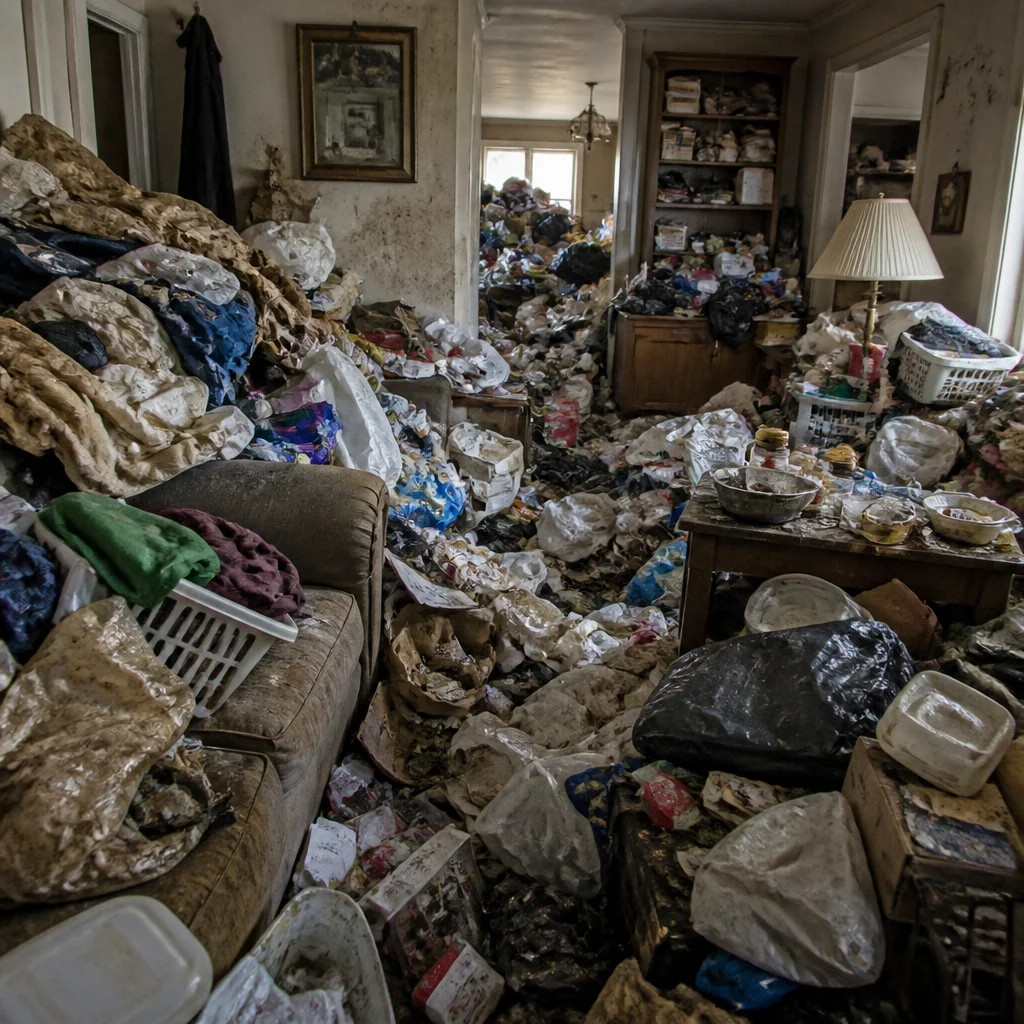
From a liability standpoint, professional documentation also shows that the work met industry standards and local codes. If a health inspector visits after cleanup, those records demonstrate compliance. If someone later claims the cleanup was inadequate, you have proof it wasn’t.
Action step: Ask your remediation service whether they provide documentation suitable for legal proceedings or insurance disputes—not just a casual report, but something that would stand up in court.
What We Include in Our Comprehensive Documentation Process
Our documentation approach covers every aspect of the remediation from start to finish.
We begin with a detailed initial assessment that documents the property’s condition before any work begins. This includes photographs from multiple angles, written notes on visible hazards, structural concerns, and odor levels. We also create a scope of work document that outlines exactly what will be cleaned, removed, and remediated.
During the remediation process, we maintain daily work logs that record what was accomplished, materials used, waste volumes, and any complications encountered. Photographs are taken throughout to show progress and completion of each phase.
Upon completion, we provide a final report that includes:
- Before-and-after photography sets
- Detailed work logs and timelines
- Inventory of materials removed and waste disposed
- Proof of proper disposal and recycling
- Health inspector or local code compliance notes
- Odor remediation certifications where applicable
- Certification of the property’s condition post-remediation
We also provide documentation suitable for insurance claims, estate settlements, and legal proceedings. Everything is organized, dated, and cross-referenced so you can pull exactly what you need when you need it.
Action step: When requesting a quote, specifically ask whether documentation is included and in what format (digital, printed, or both).
Documentation for Insurance Claims and Estate Settlements
Insurance claims and estate processes both demand meticulous documentation. Without it, you’re left paying out of pocket or watching an inheritance diminish.
Insurance companies won’t reimburse remediation work without proof. They need before-and-after photos showing the condition of affected areas, invoices for materials and labor, and third-party verification that the work met industry standards. Professional documentation provides all of this. Our records show exactly what was damaged, what was removed, what was replaced, and what the property condition is afterward.
For estate settlements, documentation proves that property remediation was handled professionally and that no assets were lost or mismanaged. If multiple heirs are involved, detailed records show that cleanup was handled fairly and transparently. Executors can reference our documentation when accounting for estate expenses to beneficiaries.
We’ve worked with probate attorneys, insurance adjusters, and estate planners who specifically request our documentation format because it’s comprehensive and organized. That professional presentation often speeds up claims and reduces disputes.
Action step: If your parent’s property involves insurance coverage, ask the insurance company what documentation they require before hiring a remediation service.
Protecting Yourself from Future Liability and Disputes
Documentation protects you from liability claims that might emerge months or years after cleanup is complete. Without records, you’re vulnerable to allegations that work was done improperly, that health hazards remain, or that the property condition wasn’t as bad as claimed.
With professional documentation, you have proof that the cleanup was thorough, that waste was disposed of safely, and that the property meets current health and safety standards. If someone later claims the remediation was inadequate, you can point to the professional records and third-party verification.
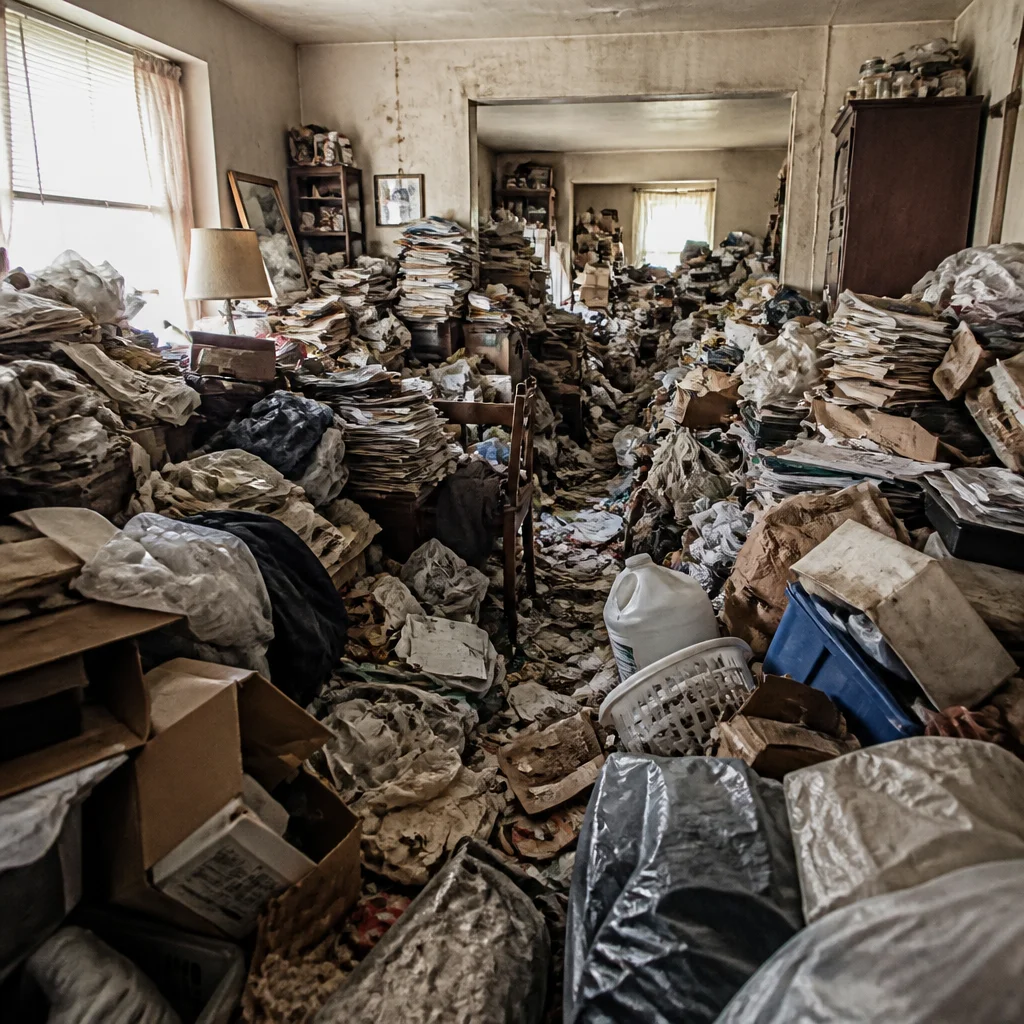
We also document our findings about hazardous materials, structural concerns, or conditions that require additional professional attention. This protects you by clearly delineating what falls within the scope of remediation versus what might need a contractor, inspector, or specialist. You’re not left holding the bag for problems that were documented and identified before work began.
Insurance and bonding also matter here. Professional remediation companies carry liability insurance, which means if something does go wrong, there’s a financial backstop. Your family isn’t the defendant.
Action step: Verify that any remediation service carries liability insurance and can provide a certificate of insurance naming you as an additional insured.
The Peace of Mind That Comes With Professional Records
Beyond the legal and financial protections, there’s genuine peace of mind in knowing that the remediation process is documented and defensible. You’re not wondering what happened in the house or whether the work was done properly—you have the records in hand.
Many families we work with describe a sense of closure when they receive the final documentation package. It marks a clear before-and-after for the property and for their relationship with that space. They can move forward with selling the home, pursuing insurance claims, or settling the estate knowing that everything was handled professionally.
This is especially important for adult children managing a parent’s property from a distance or dealing with complicated family dynamics. Documentation removes the guesswork and replaces it with facts. No one can later claim the cleanup wasn’t thorough, that valuable items were lost, or that health hazards weren’t addressed.
Action step: Plan to review the final documentation package with any co-heirs or co-executors so everyone understands what was accomplished and why.
How We Ensure Every Step is Recorded and Verified
Our process is built on transparency and verification at every stage. We don’t treat documentation as an afterthought—it’s central to how we work.
From the initial walkthrough, we photograph and document the property condition. We send you a scope of work and estimated timeline before starting. During remediation, our crew completes daily logs. We photograph completed areas before moving to the next section.
Upon final completion, we arrange for a property walkthrough where you can see the results and ask questions. We provide the complete documentation package in both digital and printed format, organized by phase and date.
Third-party verification is also part of our approach. We coordinate with local health departments or building inspectors when required, and we obtain sign-offs that confirm the property meets current safety and habitability standards. This verification becomes part of your documentation package.
We also maintain all records for a defined period after project completion, so if questions arise later, we can retrieve and provide documentation quickly. This gives you a resource to fall back on if disputes emerge.
Action step: Ask your remediation service whether they offer digital access to documentation after project completion, so you can retrieve records years later if needed.
Documentation Standards That Meet Legal and Health Inspector Requirements
Professional documentation must meet legal and regulatory standards, not just be thorough. We understand what health inspectors, insurance adjusters, and legal professionals actually need to see.
We’re familiar with local building codes, health department requirements, and environmental regulations that apply to property remediation. Our documentation reflects that knowledge. Photos are taken at consistent angles and lighting. Work logs follow industry-standard formats. Waste disposal is documented with carrier receipts and certifications.
This means when a health inspector visits after remediation, we can point to documented compliance. When an insurance adjuster reviews the claim, our records are in the format they expect and understand. When an attorney prepares for a dispute, the documentation is organized and cross-referenced for easy reference.
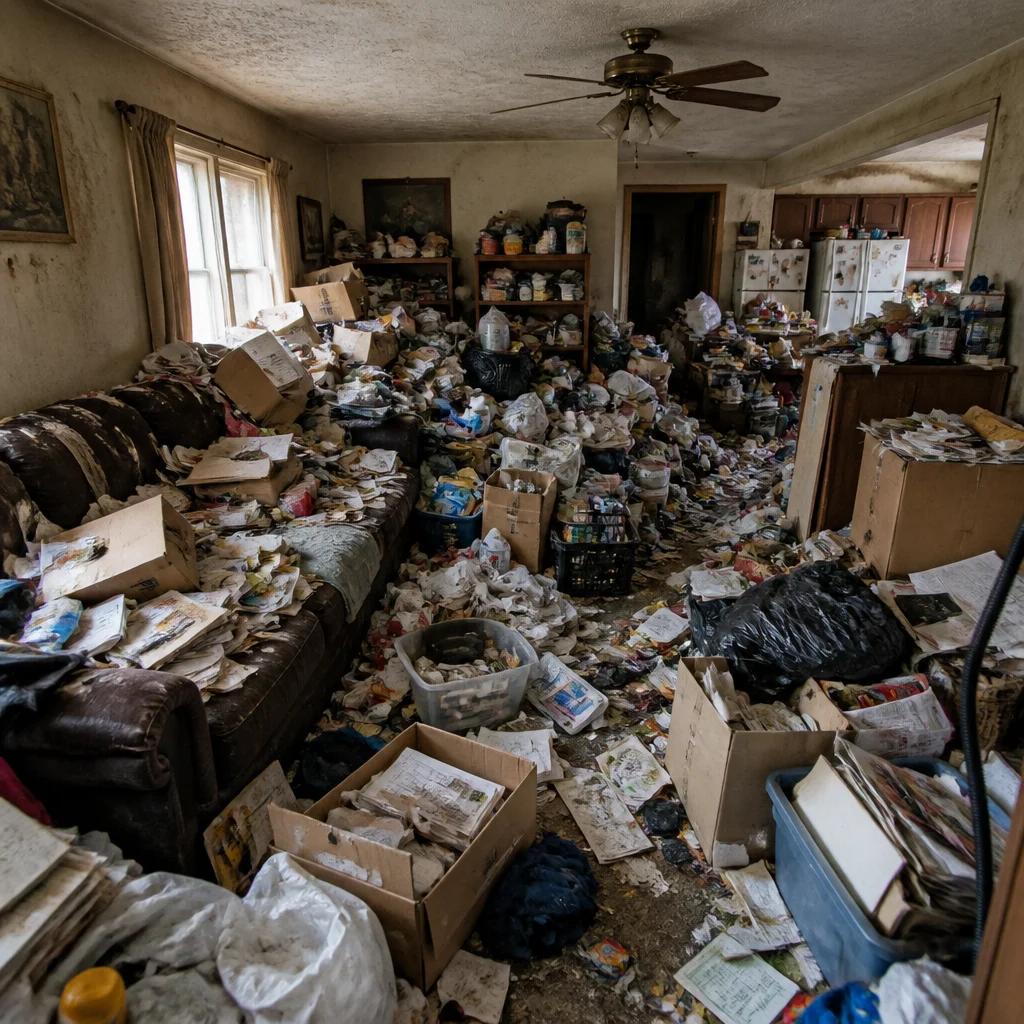
We also document specialized work, such as biohazard cleanup, with additional certifications and protocols that demonstrate compliance with stricter regulations. This level of detail is essential when hazardous materials or biohazards were involved in the property condition.
Action step: Ask whether the remediation service is familiar with your local health department’s requirements and can provide documentation that directly addresses those standards.
Moving Forward with Confidence and Complete Documentation
Once remediation is complete and documented, you can move forward with the next steps. Whether you’re selling the property, filing insurance claims, or settling an estate, you have the records you need.
The documentation package becomes part of the property’s history. When you list the home for sale, those records demonstrate that remediation was professional and thorough—a selling point for buyers. When you submit insurance claims, the documentation accelerates approval. When you close the estate, the records provide transparency and finality.
We’ve worked with families through every phase of this process. The ones who move forward smoothest are those who invested in professional documentation from the start. They don’t second-guess decisions or worry about future disputes. They have facts and records.
Action step: Once remediation is complete, securely archive the full documentation package (both digital and printed copies) with your estate documents or attorney.
Why Families Choose Our Documentation-First Approach
We’ve made comprehensive documentation a cornerstone of how we serve families in difficult circumstances. We understand that the cleanup itself is only part of the challenge—you also need to protect your family legally and financially.
Our approach starts with empathy and respect for the complexity of your situation. We’re discrete, non-judgmental, and professional. And we recognize that thorough documentation builds trust and provides the safety net your family needs.
When you choose Emergency Cleanings, you’re getting more than cleanup. You’re getting a detailed, organized record of what was done and why. That record protects you, simplifies future steps, and gives you genuine peace of mind.
If you’re facing a hoarding cleanup, property remediation, or any situation where professional documentation matters, we’re here to help. We offer same-day assessments, flat-rate pricing, and the kind of thorough documentation that makes the next chapters easier for your family.
Next step: Contact us for a free assessment. We’ll document the property’s current condition, outline the scope of work, and explain exactly what records you’ll receive upon completion.
Frequently Asked Questions (FAQ)
Why does professional documentation matter if we’re just cleaning out a house?
We create detailed records because documentation protects you legally and financially. When a parent passes away, enters care, or property disputes arise, our records prove what was removed, the condition we found, and what we completed. Without this documentation, you could face liability issues, insurance claim denials, or challenges from other family members down the road.
What happens to the documentation we provide?
We deliver comprehensive records to you immediately upon project completion, and you can share them with your insurance company, attorney, estate executor, or health inspector as needed. Our documentation includes before-and-after photos, itemized removal lists, hazard assessments, and compliance verification. You own these records completely and can use them for any legal, financial, or familial purpose.
Does professional cleanup documentation help with insurance claims?
Yes, our documentation significantly strengthens insurance claims because we provide evidence of the specific damage, contamination, or conditions that required remediation. We include detailed assessments and photographic proof that insurers need to process claims fairly. Without professional records, insurers often deny claims or offer lower settlements because they lack verification of what actually existed.