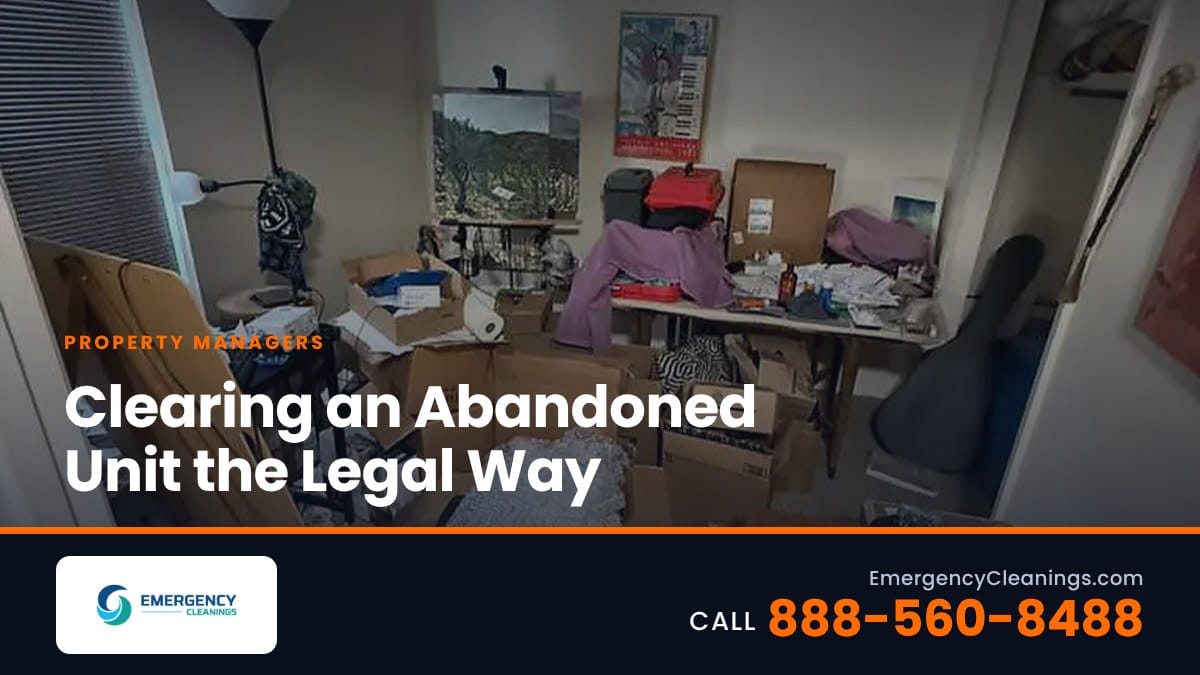

When a hoarding cleanup can't happen right away, the first job is keeping the home survivable: clear the doorways and windows people would use to get out, and move paper and fabric away from stoves and space heaters. Keep one walking path through the house and one bathroom usable, even if nothing else changes. Emergency Cleanings runs hoarding cleanup nationwide with vetted, licensed, insured local technicians, and jobs can be phased, so the urgent part happens now at a flat price locked after a free on-site scope.
Life does not always allow for immediate action. When a hoarding cleanup needs to happen, but the timing, finances, or logistics aren't yet in place, the weeks or months in between still matter. What happens during that waiting period can determine whether conditions stay manageable or become significantly worse. Taking a few deliberate steps now protects both the people involved and the eventual cleanup process itself.
Address the Most Urgent Safety Concerns First
Before anything else, the space needs to be assessed for immediate hazards. Blocked exits, fire risks from accumulated paper or flammable materials near heat sources, and compromised structural areas such as floors weakened by moisture or weight are the most pressing concerns. These conditions put lives at risk and should be addressed even before a full cleanup is scheduled.
If the home has visible mold, pest activity, or evidence of sewage or water damage, those issues warrant professional attention right away. A partial cleanup or targeted remediation may be possible even when a full hoarding cleanup is not yet financially or logistically feasible. Addressing active hazards early can also reduce the overall cost of the eventual cleanup by preventing further deterioration.
Stop the Accumulation Where Possible
One of the most practical steps during a waiting period is reducing new intake. When items continue to enter a space faster than they can be managed, conditions worsen and the eventual cleanup becomes more expensive and time-consuming. This does not require a dramatic intervention. Small, consistent changes, like canceling catalog subscriptions, declining free items, or limiting shopping to essentials, can slow the accumulation meaningfully.

For families supporting a loved one through this process, this conversation requires care and patience. The goal is not to eliminate all acquiring behavior overnight. Reducing the pace of accumulation buys time and keeps the situation from escalating before a full plan is in place.
Document the Space and Set Clear Priorities
Photographs and written notes taken now become valuable tools later. Documenting the current state of each room creates a baseline that helps professional cleanup teams assess scope, estimate hoarding cleanup costs accurately, and develop a realistic plan. Many families find that simply walking through the home with a phone camera gives them a clearer picture of where to start.
Identifying priorities also helps. Which rooms are completely inaccessible? Where are the health risks concentrated? Which areas, if cleared, would have the greatest immediate impact on daily life? Writing these observations down transforms an overwhelming situation into a sequence of solvable problems. That shift in perspective matters for everyone involved.
Build a Realistic Hoarding Cleanup Budget Over Time
Cost is one of the most common reasons a hoarding cleanup gets delayed. Professional services involve labor, protective equipment, disposal fees, and sometimes specialized handling for biohazardous materials. Those costs are real, and they vary significantly depending on the size of the home and the severity of the situation.
Using the waiting period to research and save is a practical way to close the gap. Setting aside a dedicated amount each month, even a modest one, creates momentum. Families who arrive at the cleanup process with some funds already in place tend to feel more in control of the experience. It also allows them to make decisions based on what is right for the situation rather than what is cheapest in the moment.
Requesting a professional assessment or quote early, before the cleanup is scheduled, gives families a concrete number to work toward. Many professional teams will provide an estimate without requiring immediate commitment. Knowing the likely hoarding cleanup cost removes the uncertainty that often makes the project feel impossible to approach.

Prepare the People Involved, Not Just the Space
A hoarding cleanup affects everyone connected to the home. The person living in the space may feel anxiety, grief, or resistance about the process. Family members often carry their own emotional weight from years of watching the situation develop. Preparing everyone involved, not just the physical space, increases the likelihood that the cleanup will succeed and that the results will last.
Connecting with a therapist, counselor, or support group before the cleanup begins can make a significant difference. These resources help individuals process the emotions tied to their belongings and develop healthier patterns going forward. A cleanup that addresses only the physical clutter without supporting the underlying needs often leads to re-accumulation over time.
When You're Ready to Take the First Step
At Emergency Cleanings, we understand that a full hoarding cleanup is not always possible the moment a family decides it needs to happen. That's why we created the Fresh Start program, a structured way to begin the process before a complete cleanup is financially or logistically within reach. It's designed for families who are ready to move forward but need a realistic on-ramp to get there.
When the time comes for a full cleanup, our team handles every aspect of the process with care and professionalism. We offer comprehensive hoarding cleanup services as well as feces and urine cleaning for situations involving biohazardous conditions. For cases requiring immediate attention, our same day emergency cleaning is available when waiting is not an option.
Frequently Asked Questions
What should I do first if a hoarding cleanup has to wait?
Start with the things that hurt people fastest. Open up the exits, pull flammable piles back from any heat source, and keep one clear path plus one working bathroom. Everything else can hold.
Can Emergency Cleanings clear just one room now and finish the rest later?
Yes. Jobs can be phased, so the technicians handle the area causing the safety problem first and come back for the rest on a schedule that fits your budget. The scope for each phase gets set on site first.
How fast can someone get to the house if conditions get worse while we wait?
Same-day response is available. You get a two-hour arrival window and a text with an ETA once the technician is on the way. Call the line any time the situation stops being safe to sit with.
How does pricing work if we are not ready to book the whole job?
The assessment is free and the price is flat, locked after a technician walks the space in person. Financing is available, and phased work lets you pay for the urgent portion now rather than the whole house at once.
The waiting period does not have to be wasted time. Call Emergency Cleanings at 888-560-8488 for a same-day response. The assessment costs nothing and the scope is done on site, and you get a flat price locked before any work begins.