
Table of Contents
- 1. Recognize Warning Signs That Trigger CPS Involvement
- 2. Document the Hazardous Conditions Thoroughly
- 3. Contact Professional Remediation Services Immediately
- 4. Develop a Comprehensive Cleanup Timeline
- 5. Ensure Safe Removal of Biohazards and Contaminants
- 6. Address Structural Damage and Health Code Violations
- 7. Coordinate with Child Welfare Agencies Proactively
- 8. Establish Prevention Strategies for Long-Term Home Safety
- Frequently Asked Questions (FAQ)
1. Recognize Warning Signs That Trigger CPS Involvement
When a child is living in a home with extreme clutter, contamination, or unsafe conditions, the stakes feel impossibly high. You might be a concerned family member, a relative stepping in after a parent’s health crisis, or someone who’s discovered conditions you didn’t know existed. The fear of CPS involvement adds urgency and shame to an already overwhelming situation.
The good news: taking deliberate action now can prevent escalation. We’ve worked with hundreds of families navigating this exact scenario, and we know that a structured approach, professional support, and honest communication make all the difference. Here’s how to respond effectively.
CPS doesn’t investigate hoarding simply because a house is messy. They investigate when conditions pose a direct threat to a child’s safety, health, or wellbeing. Understanding what actually triggers involvement helps you identify whether you’re in urgent territory.
Red flags that attract CPS attention include:
- Blocked exits, fire hazards, or structural collapse risks
- Contamination from sewage, animal waste, or biohazards
- Lack of clean sleeping areas, functioning bathroom facilities, or adequate food storage
- Evidence of pest or rodent infestation
- Mold growth, chemical spills, or toxic fumes
- No access to clean water or working utilities
- Visible signs of neglect affecting the child’s hygiene, nutrition, or health
A house with excessive boxes doesn’t automatically warrant intervention. But a home where a child cannot safely use a toilet, access drinking water, or sleep on a clean surface absolutely does.
Your immediate action: Walk through the home with fresh eyes and make a list. Does the property prevent basic functioning? Are children sleeping on clean bedding? Can they shower and use the bathroom safely? If you’re uncertain, it’s time to call in professionals who assess these conditions regularly.
2. Document the Hazardous Conditions Thoroughly
Documentation serves two critical purposes: it provides a clear baseline for professional remediation teams, and it protects you legally. If CPS becomes involved or you’re pursuing guardianship changes, having detailed records proves both the severity of conditions and your proactive response.
Take photographs and video from multiple angles in each room. Capture:
- Floor conditions, visible mold, water damage, and structural issues
- Pests, droppings, or nesting evidence
- Blocked doorways, windows, or emergency exits
- Bathroom and kitchen functionality
- Sleeping areas and any visible contamination
- Odor sources (photograph anything that smells unsafe)
Write brief notes alongside images: the date, room, and specific hazards observed. Don’t narrate with emotion or judgment. Stick to observable facts: “Master bedroom: approximately 4 feet of stacked items blocking closet; visible mold on west wall; strong ammonia odor.”
Store copies separately from the physical location. Cloud storage protects your records in case the property conditions worsen or disputes arise.
Your next step: Create a hazard inventory document listing each room, primary concerns, and estimated severity. This becomes the roadmap for your remediation team and demonstrates diligence to any outside parties.
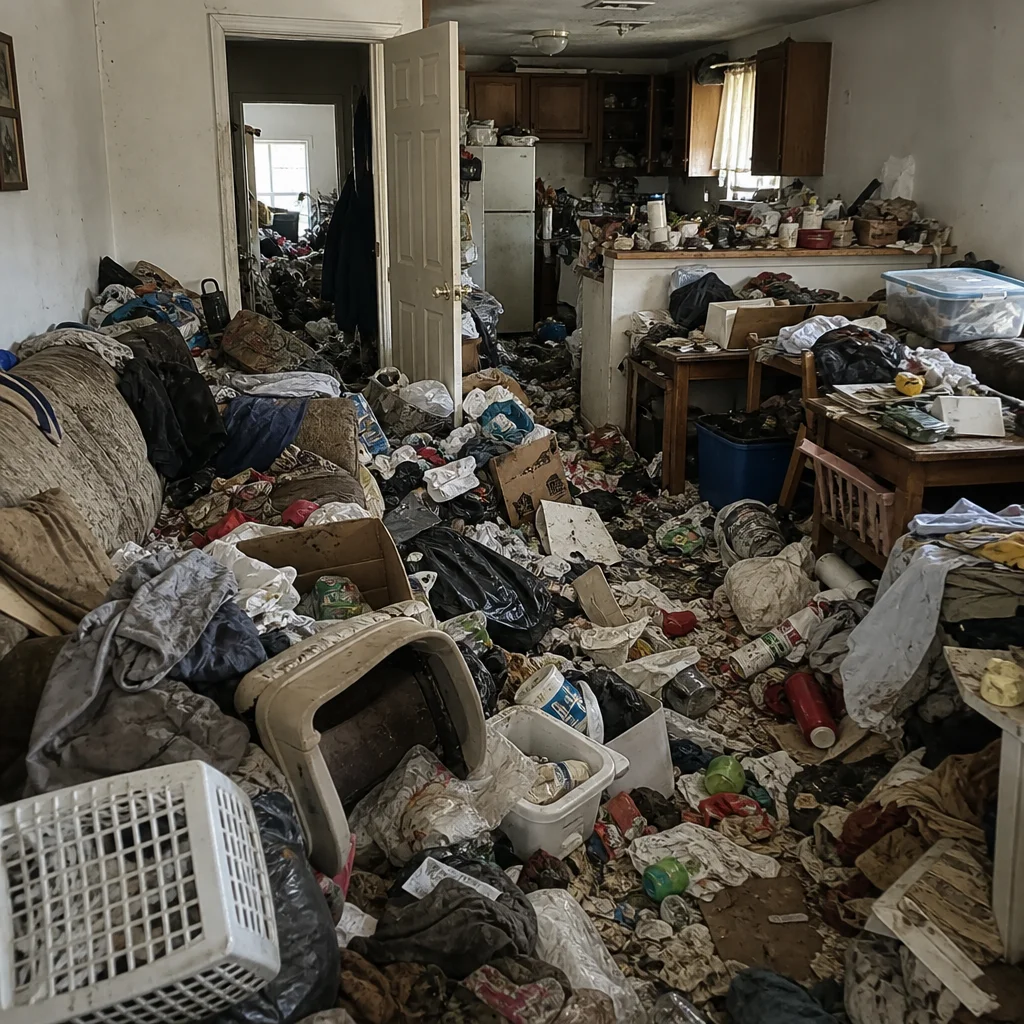
3. Contact Professional Remediation Services Immediately
This is where outcomes shift dramatically. DIY cleanup of hoarded properties is dangerous, incomplete, and often illegal when biohazards are present. Families who attempt removal without professional guidance often:
- Fail to identify or properly dispose of contaminated materials
- Expose themselves and children to pathogens and hazardous substances
- Create worker safety liability if they ask friends or relatives to help
- Leave structural damage or pest issues unaddressed, allowing conditions to restart
- Miss documentation requirements for CPS or court proceedings
We recommend contacting a specialized hoarding cleanup service as soon as you recognize the severity. Professional teams can schedule same-day assessments, provide flat-rate pricing with no surprises, and work with your timeline and budget constraints. Discreet services arrive in unmarked vehicles to preserve your privacy and coordinate directly with family members or legal representatives as needed.
During assessment, professionals identify:
- Biohazard categories requiring specialized disposal
- Structural integrity concerns needing contractor involvement
- Utility status and repair requirements
- Timeline feasibility and equipment needs
Your action now: Make the call today. Early intervention prevents escalation, reduces overall costs, and demonstrates to any investigating agencies that you’re taking decisive, responsible action.
4. Develop a Comprehensive Cleanup Timeline
Hoarding remediation isn’t a same-day job unless the property is relatively small. A realistic timeline prevents you from becoming discouraged and abandoning progress partway through.
Factors affecting duration include:
- Total square footage and number of rooms
- Volume and type of items (residential clutter vs. hazardous waste)
- Structural damage requiring additional repairs
- Utility system status and needed repairs
- Local regulations or permit requirements
- Occupancy status (do people need to move out during cleanup?)
A typical project phases as follows:
Week 1: Assessment, sorting plan, utility checks, hazard removal begins Weeks 2-3: Main volume removal, deep cleaning, treatment of contamination Week 4+: Repairs, paint, final inspection, move-back coordination
Professional teams work with your constraints. If a child needs to return to the home for school, prioritize bedrooms and bathrooms first, then complete common areas. If the property is unoccupied, work can move faster and more comprehensively.
Set clear milestones: “Bathrooms functional by Day 5. Bedrooms cleared by Day 10. Final walkthrough Day 12.” Communicate these timelines to family members and any external parties involved. Incremental progress builds confidence and demonstrates commitment to change.
5. Ensure Safe Removal of Biohazards and Contaminants
This is where the line between difficult cleanup and hazardous waste remediation becomes critical. Biohazards including human and animal waste, bloodborne pathogens, mold colonies, and chemical spills require specialized training, equipment, and disposal protocols.
Never assume cleanup is just “dirty work” that anyone can handle. Exposure to biohazardous materials carries serious health risks including:
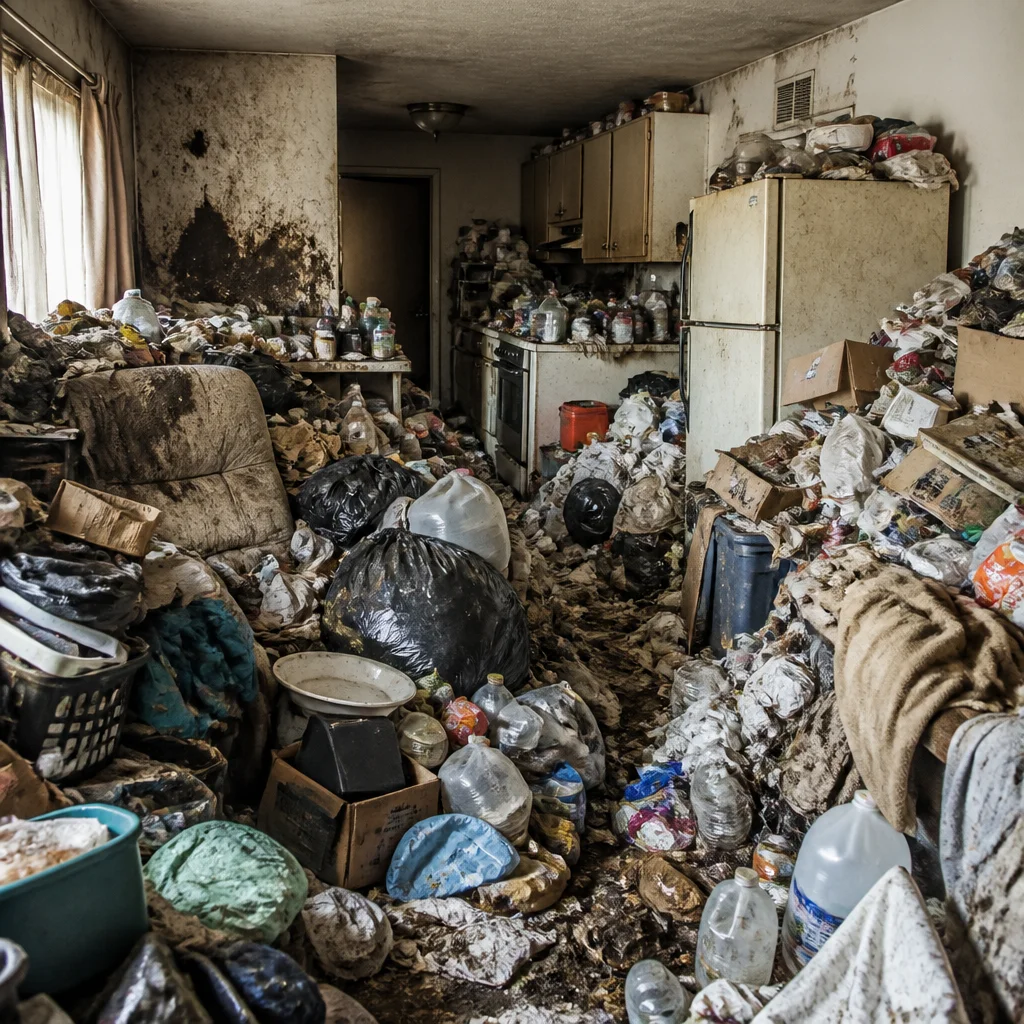
- Respiratory infections and chronic lung damage
- Bloodborne pathogen transmission
- Gastrointestinal illnesses and parasitic infection
- Toxic chemical exposure
- Allergic reactions and immune system effects
Professional remediation teams use:
- OSHA-compliant personal protective equipment for all personnel
- Industrial-grade disinfectants and remediation chemicals
- Proper containment to prevent cross-contamination
- Licensed waste disposal through certified vendors
- Documentation of all materials removed for regulatory compliance
Teams distinguish between what they handle directly and what requires licensed subcontractors. Hazardous waste, structural demolition, and certain chemical remediation must follow state and federal guidelines, which professionals coordinate as part of the service.
Critical point: Request proof of insurance, training certifications, and disposal documentation from any remediation team. This protects you legally and ensures the work meets code.
6. Address Structural Damage and Health Code Violations
Hoarded homes often hide structural deterioration. Water damage, pest damage, foundation issues, electrical hazards, and HVAC breakdowns go unaddressed because they’re buried under accumulation. Once cleaning begins, these problems surface.
Common structural issues discovered during remediation:
- Mold in walls, attics, or crawl spaces
- Rotted flooring or subfloors
- Compromised plumbing and sewage backups
- Electrical hazards, damaged wiring, or overloaded circuits
- HVAC system failure, ventilation blockages
- Roof leaks, missing gutters
- Pest entry points and animal nesting areas
Professional remediation identifies these conditions and connects you with licensed contractors to address them. Some issues prevent occupancy until repairs are complete. Others can be remediated within the main cleanup timeline. Health code inspections or reinspection requirements typically hinge on these repairs being documented.
Plan your budget to include not just cleanup labor but structural repairs. Many families find that this is where costs exceed initial estimates. Being prepared and prioritizing safety-critical repairs prevents further delays.
Action step: Request a detailed structural assessment alongside the cleanup estimate. Know what’s required versus recommended before committing to your timeline and budget.
7. Coordinate with Child Welfare Agencies Proactively
If CPS involvement is a concern or already occurring, communication strategy becomes essential. Remaining silent or defensive typically worsens outcomes. Demonstrating proactive, verifiable action demonstrates your commitment to the child’s safety.
Contact CPS directly before they contact you, if possible. Explain:
- The unsafe conditions you’ve identified
- Professional remediation services you’ve retained
- Your timeline and specific milestones
- Your plan for the child’s safety during remediation (where they’ll stay, supervision arrangements)
- Proof of contracted services and initial assessment
Agencies respond more favorably to families who acknowledge problems and act decisively than to those who deny or delay. Document every communication, including dates, names of caseworkers, and summaries of conversations.
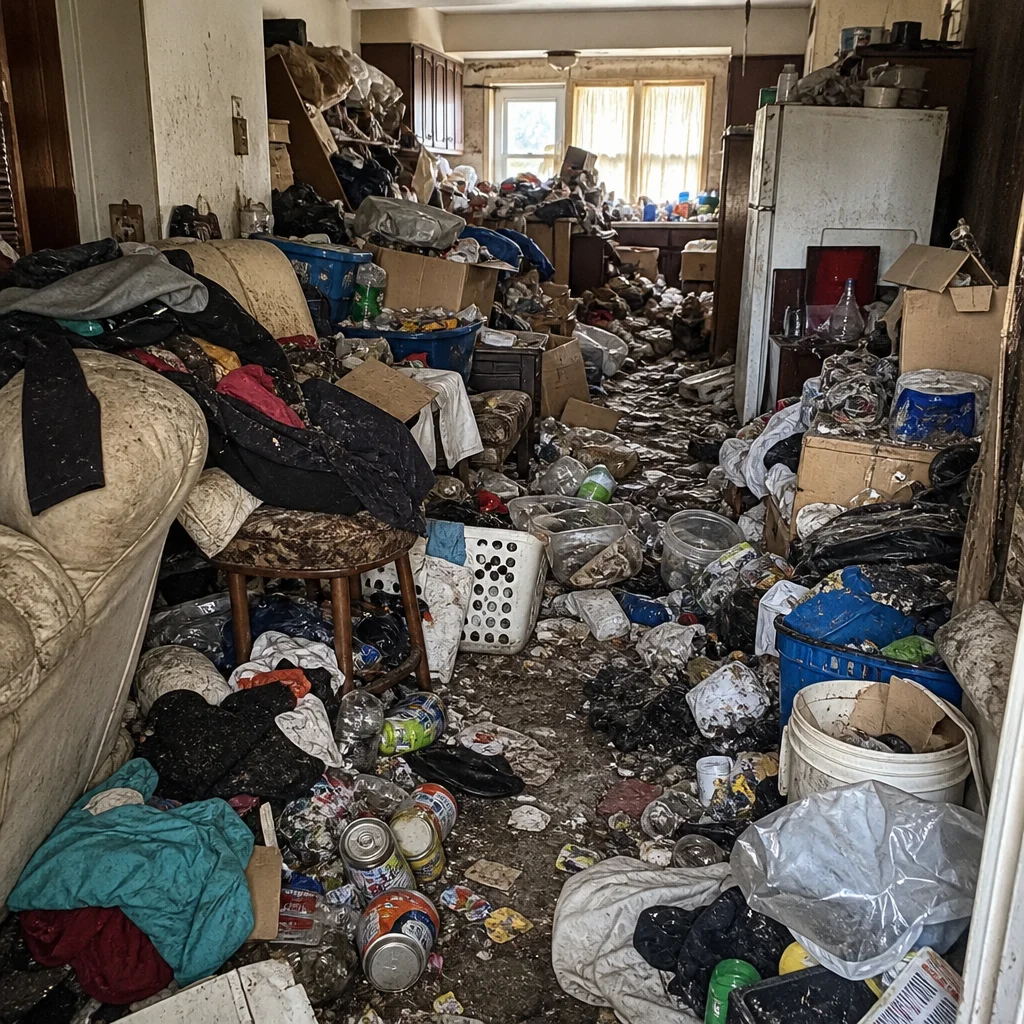
If legal proceedings are involved, maintain communication with your attorney and ensure all remediation work is conducted in ways that preserve evidence and documentation for court purposes. Some situations require court-supervised cleanup or independent verification of completion.
Critical practice: Keep detailed records of contractor communication, progress photos, disposal receipts, and any inspection reports. These become your evidence of diligent action if legal questions arise.
8. Establish Prevention Strategies for Long-Term Home Safety
Remediation addresses today’s crisis. Prevention addresses tomorrow’s. Hoarding patterns often reflect underlying mental health struggles, isolation, or loss. Cleanup alone doesn’t resolve the root cause.
Sustainable recovery combines professional cleanup with:
- Mental health evaluation and counseling focused on hoarding behaviors
- Ongoing case management or social support
- Family education about recognizing early warning signs of relapse
- Realistic expectations about lifestyle change and accountability
- Regular home checks or social worker visits during recovery period
For families where hoarding reflects a parent’s compulsive collecting or inability to discard, long-term success depends on addressing that behavior. For situations driven by extreme neglect, coordination with social services and possibly guardianship changes ensures accountability.
If vulnerable people are living in the home, establish clear expectations about cleanliness standards, utility maintenance, and regular tidying. One large remediation project doesn’t prevent future accumulation without behavioral change or ongoing oversight.
Plan for success: Have a conversation with household members about what led to unsafe conditions. Identify root causes: grief, isolation, mental health struggles, substance use, or cognitive decline. Connect appropriate support services alongside cleanup. The goal is a safe, sustainable living situation, not just a clean house.
When you’re facing hoarding conditions and CPS concerns, the path forward feels overwhelming. Breaking it into these eight steps transforms impossible into manageable. We understand the sensitivity, the shame, and the urgency of your situation. Your role is to focus on the family dynamics and root causes that actually matter while professional remediation handles the cleanup itself. Early action prevents escalation, demonstrates commitment to change, and creates the foundation for lasting recovery.
For further reading: hoarding cleanup service.
Frequently Asked Questions (FAQ)
How quickly can we assess a hoarding situation if CPS involvement is a concern?
We offer same-day assessments for urgent situations where child safety is at risk. Our team understands that time is critical when CPS intervention is a possibility, so we prioritize rapid response and can typically visit your property within hours of your call. During the assessment, we evaluate the specific hazards present and provide you with a clear, flat-rate quote and timeline for remediation.
What makes our approach different when children are living in an unsafe home?
We combine professional remediation with discretion and documentation that supports your position with child welfare agencies. Our team safely removes biohazards, contaminants, and structural hazards while creating detailed records of the work completed. We coordinate transparently with CPS and other authorities so you have evidence of remediation efforts and commitment to restoring safe living conditions.
Can we help if a health inspector or first responder has already documented violations?
Yes, we work directly with situations where authorities have already identified problems. We address every code violation and safety concern the inspector noted, handle all biohazard removal and odor remediation, and provide comprehensive documentation showing full compliance restoration. Our flat-rate pricing and detailed invoicing give you clear proof of corrective action taken.