

Keeping a home organized and sanitary can be challenging when clutter accumulates beyond typical levels. In such situations, hoarding cleanup becomes necessary to address both health hazards and emotional stress effectively. Understanding these differences helps families and property managers recognize when professional intervention is required.
Health and Safety Risks in Hoarding Cleanup
Hoarded homes often have serious underlying hazards, including mold growth, pest infestations, and blocked airways that can worsen respiratory conditions and reduce overall air quality. Research in community health highlights that severe hoarding behavior is linked to significant safety and health risks that often require intervention from trained professionals. Standard cleaning methods are not designed to address these complex environmental dangers.

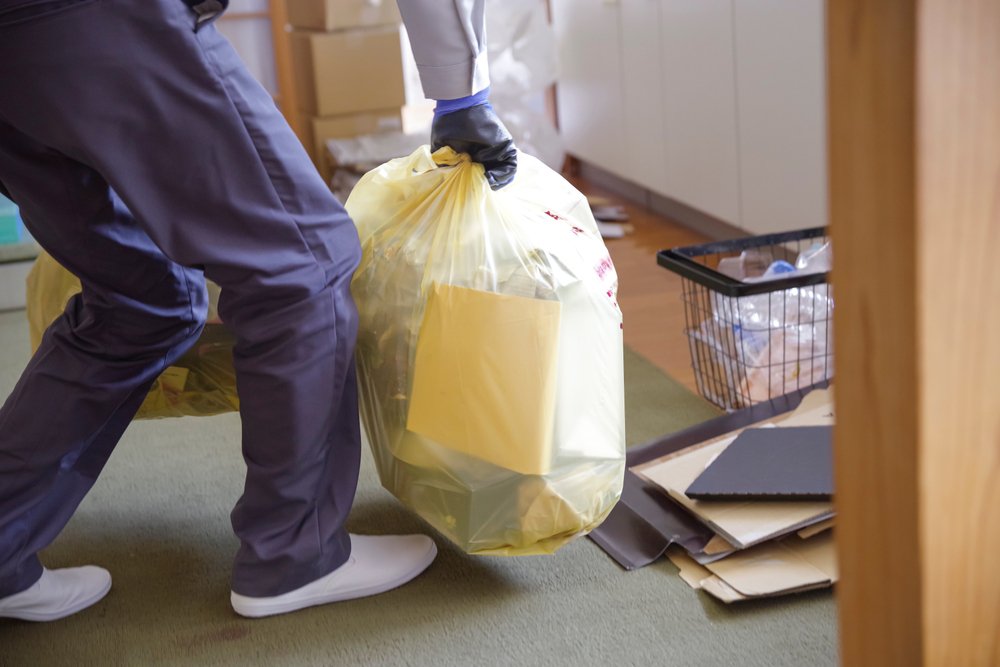
Specialized hoarding cleanup teams use protective gear such as respirators, gloves, and biohazard‑grade clothing to guard against airborne contaminants and skin contact with hazardous matter. Experts also follow established safety protocols that include careful assessment of mold, vermin, and structural risks before beginning cleanup, ensuring efficient hazard mitigation. Trained professionals are equipped to handle contaminated materials, potential biohazards, and environmental toxins in a controlled and safe manner.
Proper ventilation, pest control, and careful disposal of materials distinguish professional hoarding cleanup from routine housekeeping, helping protect both residents and workers from health risks. Separating salvageable items from hazardous debris reduces exposure to harmful substances while preserving what can be kept. Workers educated in trauma‑informed practices also provide compassionate support throughout the process, addressing not only safety concerns but emotional well‑being as well.
Specialized Tools and Techniques
Hoarding cleanup requires more than standard household tools due to dense clutter and potential health hazards. Specialized equipment ensures both efficiency and safety when handling unstable piles of belongings and contaminated materials. Professionals use advanced techniques to restore homes while minimizing risk to residents and workers.
Below are some essential tools and techniques commonly used in hoarding cleanup:
- Industrial-Strength Vacuums: Powerful vacuums remove dust, allergens, and fine debris that accumulate in hoarded spaces.
- HEPA Filtration Systems: High-efficiency filters capture microscopic particles, reducing airborne contaminants and improving indoor air quality.
- Biohazard-Grade Disinfectants: Specialized cleaning agents eliminate bacteria, viruses, and mold while adhering to safety standards.
- Dismantling and Reorganization Tools: Equipment like dollies, hand trucks, and modular shelving allows safe removal and restructuring of unstable furniture.
- Digital Inventories and Tracking Systems: Technology helps document and track items for recovery, legal requirements, or insurance purposes.
Using these tools and techniques allows cleanup teams to address hoarded environments safely and efficiently. Implementing proper equipment and processes ensures a thorough restoration while protecting both residents and cleanup professionals.
Emotional Considerations and Trauma-Informed Care
Hoarding cleanup often triggers significant emotional responses, including anxiety, shame, and distress, requiring sensitive intervention. Hoarding disorder is defined by persistent difficulty discarding possessions and intense distress when faced with removal, which can prolong cleanup efforts and create tension within families. Professionals trained in a trauma‑informed care approach clients with empathy, validating feelings while gently encouraging progress toward a safe environment.
Clear communication and patience are essential components of effective hoarding cleanup. Establishing trust between cleanup teams and residents ensures cooperation and reduces the risk of re-traumatization. Techniques such as allowing individuals to decide which items to keep help maintain dignity and foster a sense of control throughout the process.
Supportive measures may also include temporary relocation planning or counseling referrals for residents struggling with mental health challenges. Incorporating mental health awareness into cleanup operations differentiates professional hoarding cleanup from standard cleaning services. Professionals recognize that emotional support is as vital as physical removal for long-term success.
Time and Effort: Understanding the Scope
Hoarding cleanup often takes exponentially more time than traditional cleaning, due to the complex nature of clutter accumulation. Each item requires careful evaluation for safety, sentimental value, or potential hazards, demanding meticulous attention. In many cases, a single hoarding cleanup project can span multiple weeks and involve several trained personnel to ensure thorough results.

Efficient scheduling and phased approaches prevent burnout among cleanup teams while minimizing stress for residents. Professionals plan operations in stages, often beginning with high-risk areas, such as kitchens and bathrooms, where hygiene concerns are greatest. Adopting methodical strategies enables more consistent progress while maintaining adherence to safety and emotional care protocols.
Hoarding cleanup also involves coordination with external contractors for disposal, recycling, and specialized remediation. Working with licensed professionals ensures compliance with local laws, environmental regulations, and biohazard standards. Transitioning from a hoarded property to a safe, clean environment requires dedication, planning, and expertise beyond conventional cleaning services.
When to Seek Professional Hoarding Cleanup
Certain situations require professional intervention beyond routine cleaning, especially when safety and health are at risk. Hoarding cleanup becomes necessary when clutter creates hazardous conditions or complicates standard housekeeping efforts. Recognizing these circumstances early can protect both residents and property managers from physical, emotional, and financial consequences.
Here are some key scenarios that indicate the need for professional hoarding cleanup:
- Excessive Debris Accumulation: Homes with significant piles of clutter or items blocking essential pathways require expert management.
- Potential Biohazards: Presence of mold, pests, bodily fluids, or other hazardous materials demands specialized cleanup protocols.
- Structural Instability: Overloaded floors, weakened walls, or unsafe furniture pose serious safety risks needing professional assessment.
- Mental Health Challenges: Individuals struggling with hoarding disorder benefit from trauma-informed approaches and sensitive guidance.
- Post-Cleanup Maintenance Needs: Professional teams provide strategies to prevent recurrence and coordinate with licensed contractors for ongoing safety.
Seeking professional hoarding cleanup ensures safer, more efficient results while protecting residents’ well-being. Early engagement with experts can prevent hazards, reduce stress, and provide reassurance throughout the process.
Restoring Safety and Peace of Mind
Professional hoarding cleanup addresses both physical hazards and emotional challenges, providing a comprehensive solution unlike standard cleaning. Experts use specialized tools, safety protocols, and trauma-informed care to restore homes efficiently while protecting residents. Engaging trained teams reduces health risks, prevents property damage, and ensures the well-being of all involved.
At Emergency Cleanings, we understand the unique challenges of hoarding cleanup and provide compassionate, professional support tailored to every situation. Our experienced teams help families regain safe, livable environments while coordinating sensitive removal and disposal tasks. Call us today at 888-560-8488 to explore or learn more about our hoarding cleanup services.