

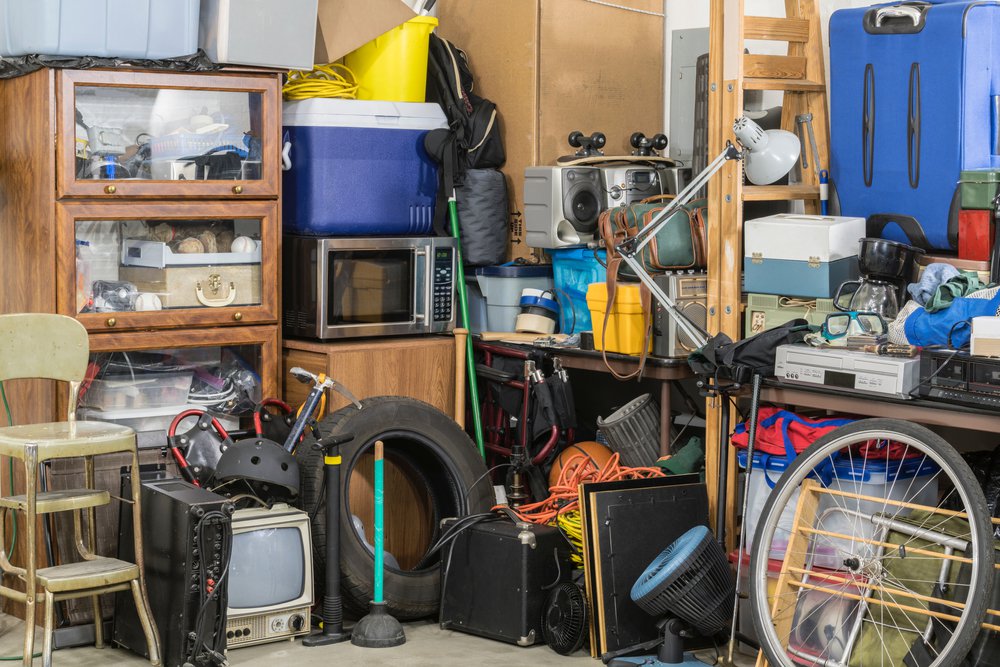
Misunderstanding hoarding is one of the biggest barriers to recovery. From sensationalized TV shows to casual assumptions, the condition is often reduced to an issue of “messiness” or lack of discipline. In reality, hoarding is a serious behavioral and emotional disorder with deep psychological roots. Addressing these myths helps remove stigma, encourages empathy, and guides people toward the support they need.
Why Myths About Hoarding Persist
Hoarding is one of the few disorders that is visible to outsiders. When clutter takes over a home, it’s easy for observers to judge without understanding the emotional or cognitive struggles behind it. Media depictions also tend to focus on shock value rather than context, framing hoarding as a spectacle instead of a symptom of distress.
Misconceptions can lead to shame, making it harder for individuals to admit they need help. They also discourage families, property owners, and communities from approaching the issue with sensitivity and proper resources. Dispelling these myths is an important part of creating safer, more supportive environments for recovery.
Myth 1: Hoarding Is Just Extreme Clutter
Clutter and hoarding may look similar at first glance, but their causes and consequences are entirely different. Clutter results from disorganization or temporary neglect, while hoarding involves a compulsive need to keep items and intense anxiety about discarding them.
The distinction is not about cleanliness but about emotional distress and functionality. People who hoard often struggle to use their living spaces safely that bedrooms, bathrooms, and kitchens may become unusable. Recognizing this difference helps identify when intervention is necessary rather than treating the issue as a matter of tidying up.
Understanding this difference also encourages more compassionate cleanup strategies focused on health, not judgment.

Myth 2: People Who Hoard Are Lazy or Unmotivated
Another common misconception is that hoarding results from laziness or lack of willpower. In truth, hoarding involves deep emotional conflict and cognitive challenges. Those affected experience heightened anxiety and distress when faced with decisions about their possessions.
The difficulty isn’t a matter of effort but a matter of fear. Each decision about an item carries emotional weight, leading to paralysis and avoidance. What appears to outsiders as indifference is actually the result of overwhelming internal tension.
Labeling people who hoard as “lazy” only increases shame and resistance to seeking help. Recognizing the mental and emotional effort involved is key to providing meaningful support.
Myth 3: Hoarding Is Rare
Hoarding is more common than many assume. Studies estimate that between 2% and 6% of the population experiences some form of hoarding disorder, meaning millions of households nationwide are affected. It occurs across all demographics, making it a community issue rather than an individual anomaly.
Despite its prevalence, hoarding often remains hidden. Many individuals avoid seeking help for fear of judgment or eviction. Bringing awareness to how widespread the condition is helps normalize discussion and opens doors for earlier intervention.
When people understand that hoarding is common and treatable, it becomes easier to connect affected individuals with the right kind of care.
Myth 4: Throwing Everything Away Solves the Problem
Removing clutter may seem like the fastest way to fix hoarding, but without addressing emotional and psychological causes, the problem often returns. Forced cleanouts can traumatize individuals, reinforcing their fears of loss and lack of control.
Sustainable progress comes from combining professional cleanup with emotional support. This dual approach allows individuals to process attachments while regaining safety in their homes. Gradual cleanup, guided by trained professionals, ensures that the process is both effective and respectful.
True recovery doesn’t end with a clean space. It begins there, supported by ongoing structure and empathy.
Myth 5: Hoarding Only Affects the Individual
The effects of hoarding extend beyond the person struggling with it. Neighbors, landlords, and emergency responders all face risks when cluttered homes become fire hazards, attract pests, or block exits. In multi-unit buildings, hoarding can impact air quality, utilities, and safety for everyone nearby.
Recognizing that hoarding is a community issue encourages collaboration rather than isolation. Compassionate intervention protects both the individual and those around them, fostering a safer and more supportive environment for everyone involved.
Preventing escalation benefits property owners and residents alike by reducing risks before they lead to costly emergencies.
Why These Myths Are Harmful
Misunderstanding hoarding causes real harm. Stigmatizing beliefs discourage people from asking for help and can make recovery more difficult. When hoarding is treated as a personal failing rather than a mental health condition, individuals are more likely to hide their situation and less likely to trust those offering assistance.
Breaking these myths creates space for empathy. It allows family members, professionals, and communities to work together to restore safety without judgment. The goal is not punishment but healing, dignity, and recovery.
Educating others about hoarding also helps prevent unsafe interventions. Cleanup handled without proper training can create health hazards or emotional trauma. Awareness ensures that cleanup is done safely, respectfully, and sustainably.
The Role of Professional Hoarding Cleanup

Professional cleanup services are essential for safely addressing hoarded environments. Trained teams can identify fire hazards, remove debris, and sanitize contaminated areas while respecting emotional boundaries.
Before detailing the benefits, it’s important to emphasize that professional cleanup is not just about physical restoration. It’s about safety and compassion.
Key advantages of professional cleanup include:
- Hazard assessment: Identifying risks such as blocked exits, mold, and electrical hazards.
- Safe item removal: Sorting valuables and safely discarding unsalvageable materials.
- Deep cleaning and disinfection: Restoring the property to healthy living conditions.
- Discreet and compassionate service: Maintaining privacy while minimizing emotional distress.
Professional cleanup ensures safety while setting the foundation for emotional and behavioral recovery. When done properly, it helps individuals move forward without retraumatization or shame.
Changing the Conversation About Hoarding
Dispelling myths about hoarding is one of the most powerful ways to help those affected. Awareness and understanding create pathways for compassion and recovery, replacing stigma with empathy and action. Every conversation that challenges misconceptions makes it easier for someone to ask for help.
At Emergency Cleanings, we specialize in hoarding cleanup that prioritizes respect, safety, and emotional sensitivity. Our certified technicians follow a detailed process that includes assessment, containment, cleanup, and final inspection. For specialized services such as hazardous waste removal and hauling, we work with licensed subcontractors to ensure full compliance with all regulations.
Helping someone recover from hoarding begins with understanding. Call us today at 888-560-8488 to start restoring safety and dignity through professional, compassionate cleanup services.