Table of Contents
- 1. Understanding Chain of Custody in Remediation Work
- 2. Photographic Documentation Before Cleanup Begins
- 3. Protecting Evidence During Initial Property Assessment
- 4. Safe Handling of Potentially Relevant Materials
- 5. Maintaining Detailed Written Records for Legal Proceedings
- 6. Coordinating with Law Enforcement and Legal Teams
- 7. Securing and Storing Preserved Evidence Properly
- Frequently Asked Questions (FAQ)
1. Understanding Chain of Custody in Remediation Work
Chain of custody means documenting exactly who has handled, seen, moved, or altered potential evidence from the moment it’s discovered until it reaches its final destination, whether that’s law enforcement, a court, or secure storage.
We treat chain of custody as the backbone of everything we do. The moment our team arrives on a property, we assume certain items or conditions may have legal significance. That assumption drives our procedures. We don’t touch, move, or disturb anything until law enforcement has cleared the space or explicitly approved our remediation plan.
If you’re managing a property where evidence matters, the first step is clarity. Call law enforcement before calling us. Let them walk the property, document what they see, and tell you what’s off-limits. Once we arrive, we document that clear-down and maintain a written log of every team member who enters restricted zones, when they entered, how long they stayed, and what they handled.
When property is involved in an unattended death, potential crime, suspected foul play, or ongoing legal disputes, what you do in those first hours can make or break a case. We understand this tension. Our job is to restore the property, but we also recognize our responsibility to protect anything that law enforcement, estate lawyers, or insurance investigators might need later.
Actionable step: Before our team begins work, obtain a written statement from law enforcement or a designated authority confirming that the property has been cleared or that specific zones are restricted. Keep that document with your remediation records.
2. Photographic Documentation Before Cleanup Begins
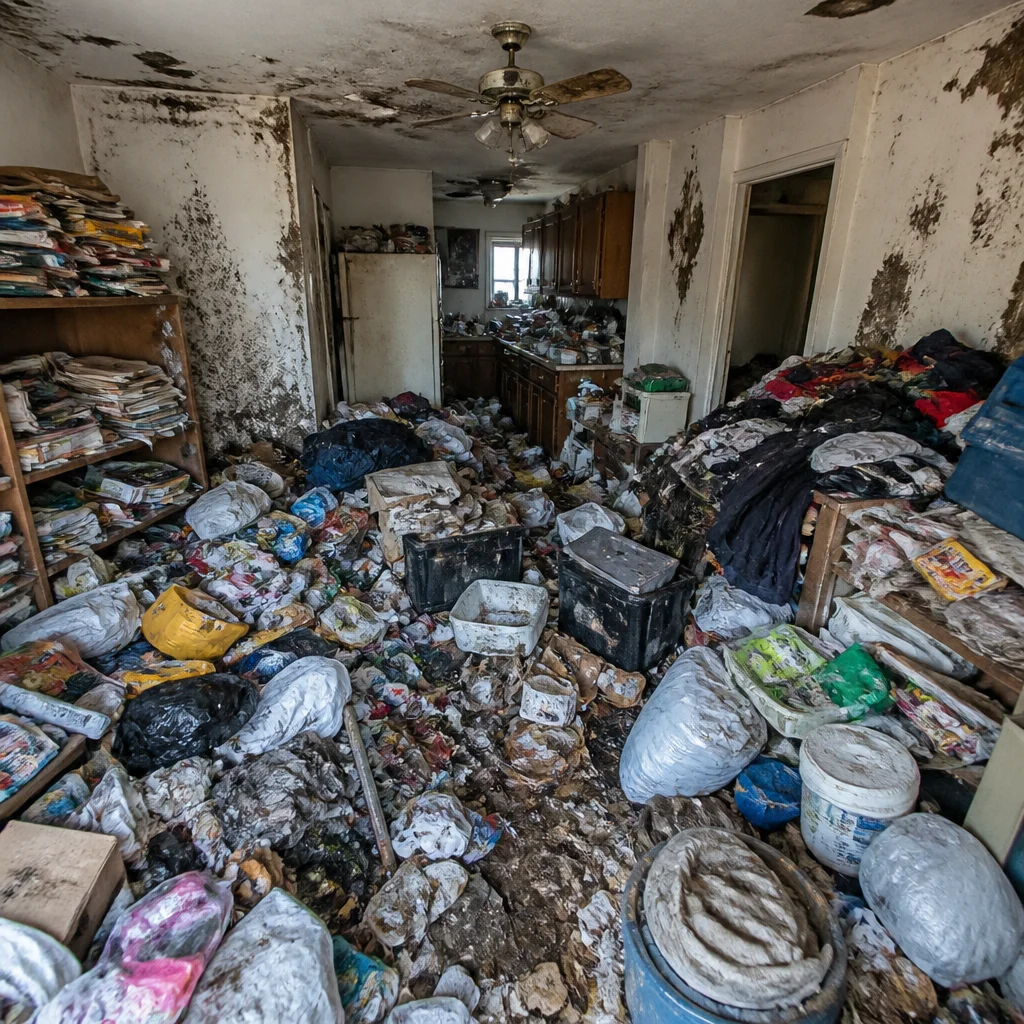
Photography isn’t just for insurance claims. High-quality, time-stamped photos of the property’s condition create an unambiguous visual record that no one can later dispute or misremember.
We photograph every room, closet, and surface before we touch anything. Our photos include wide shots for context, medium shots showing spatial relationships, and close-ups of specific items or conditions. Every photo gets a timestamp and is cataloged with location, orientation, and notes about what’s visible. If something might have forensic value, we photograph it from multiple angles in natural light and documented light conditions.
Property conditions can be interpreted many ways. Was a stain old or fresh? Was that object placed deliberately or accidentally? Did someone move through the space before law enforcement arrived? Photography answers these questions with visual evidence that’s difficult to argue with later.
We use commercial-grade cameras and backup our images to secure cloud storage and external drives. This redundancy ensures that photos survive computer failures and are accessible if a legal team needs them months or years later.
Actionable step: Hire a remediation service that photographs before starting cleanup. Ensure those photos are dated, geotagged, and delivered to you in their original format with full resolution. Don’t accept compressed versions or screenshots.
3. Protecting Evidence During Initial Property Assessment
The initial assessment is often the riskiest moment. Our team walks through the property, photographs it, documents conditions, and makes a cleanup plan. During this phase, the property is largely untouched but increasingly exposed to contamination, weather, or accidental disturbance.
We protect the property during assessment by limiting foot traffic, using stepping plates or protective coverings in high-risk zones, and keeping unauthorized people out. We mark potential evidence areas with subtle, non-invasive indicators that keep our team aware of what shouldn’t be disturbed. If weather is a factor, we deploy tarps or temporary sealing to prevent additional contamination without covering evidence.
Our team members receive training on recognizing potential evidence: unusual stains, fibers, personal items that don’t belong, signs of forced entry, or anything that seems out of place. We don’t touch or assume anything is irrelevant. If something looks potentially significant, we note it, photograph it, and flag it for the property owner or their legal team to decide what happens next.
This proactive approach prevents the common scenario where a property sits exposed to elements, pests, or visitor traffic that compromises evidence integrity before professional remediation even begins.
Actionable step: During your initial walkthrough with the remediation team, note anything unusual or suspicious. If you’re uncertain whether something matters, ask. We can help you determine whether it warrants law enforcement attention before cleanup begins.
4. Safe Handling of Potentially Relevant Materials
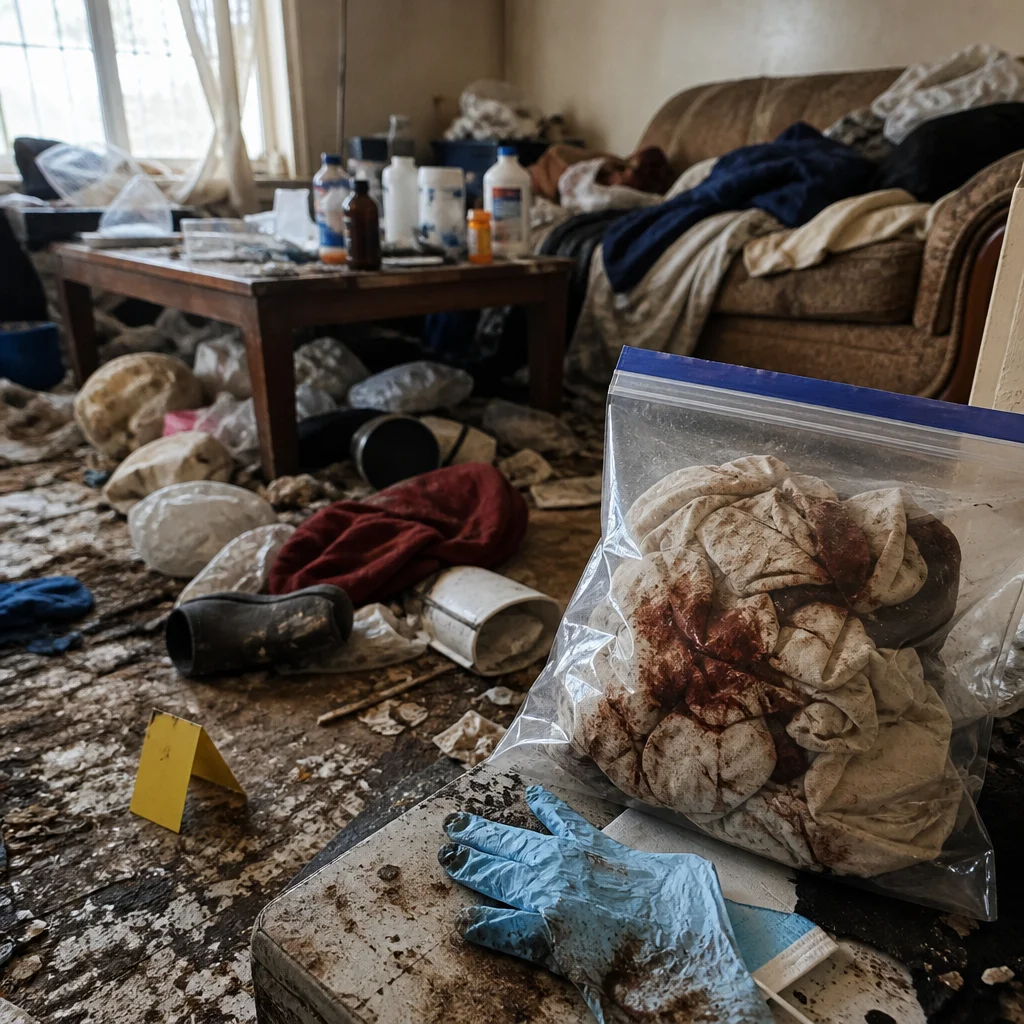
Sometimes evidence and biohazard aren’t separate categories. A stained garment might be both forensic evidence and a biohazard requiring safe handling. A contaminated surface might hold investigative value and pose an immediate health risk.
We train our teams to recognize this overlap. When we encounter materials that could be evidence, we handle them with the same care we’d use for any sensitive biohazard: wearing appropriate PPE, using tools rather than bare hands, and preventing cross-contamination. But we also preserve them, document them, and ensure they’re not accidentally disposed of or destroyed.
In cases where evidence and biohazard are genuinely inseparable, we work directly with law enforcement or property owners to determine the right approach. Sometimes evidence needs to be collected and preserved before we can safely remediate the contamination around it. Sometimes we’ll remove and isolate material in a secure container that law enforcement can access if needed. The key is transparency and coordination before action.
Never attempting to clean or dispose of questionable materials yourself protects both the investigation and your legal standing. This boundary between remediation and evidence handling is critical to maintain.
Actionable step: Never attempt to clean or dispose of anything that might be evidence. If you’re unsure, take a photo, set the area off-limits, and consult with law enforcement or your lawyer before calling for remediation services.
5. Maintaining Detailed Written Records for Legal Proceedings
Photography captures the visual record, but written documentation captures context, decisions, and the reasoning behind them. Our team completes detailed property assessment reports that describe what we found, where it was located, what condition it was in, and what we did about it.
These reports become crucial documents if the property later becomes part of a legal proceeding. They answer essential questions: Was the property cleaned before an investigation could be completed? Were any items removed or altered? Who authorized specific cleanup decisions? What professional standards were followed?
We record everything in real time, not from memory. Our technicians fill out detailed logs during the job, including times, names, descriptions, and decisions. These logs are then compiled into a formal report that includes photographs, diagrams, and narrative sections. Multiple copies are created: one for the property owner, one for their legal representative if applicable, and one retained by us for our records.
Professional standards require that documentation be contemporaneous, thorough, and stored securely. That’s not just best practice. It’s the baseline expectation for professional remediation work.
Actionable step: Request a full written report from your remediation service, including team names, dates, times, photos, and a detailed description of everything found and everything done. This report should be yours to keep and use if needed in legal proceedings.
6. Coordinating with Law Enforcement and Legal Teams
Evidence preservation is never a solo effort. We coordinate closely with law enforcement, estate attorneys, insurance investigators, and family members to ensure everyone’s needs align.
Before we begin work, we confirm with law enforcement that the property has been cleared or that no active investigation requires preservation. If the situation involves an estate dispute, we work with the attorney handling it to understand what documentation or preservation might matter. If insurance is involved, we ensure the insurance carrier understands what evidence might be relevant to their claim decisions.
We also communicate clearly with family members about what we’re doing and why. They often feel conflicted: they want the property cleaned, but they worry about destroying something important. Our transparent approach helps them understand that preservation and remediation aren’t opposing goals. We can do both simultaneously when we’re coordinated and careful.
Our team is trained to recognize when a situation might require law enforcement attention. If we discover something that looks potentially criminal or suspicious, we don’t investigate or touch it. We note it, photograph it from a distance, and recommend that the property owner contact law enforcement.
Actionable step: Before you hire a remediation service, tell them explicitly if there’s any legal dispute, ongoing investigation, or insurance claim involving the property. That transparency allows them to coordinate appropriately and protect everyone’s interests.
7. Securing and Storing Preserved Evidence Properly
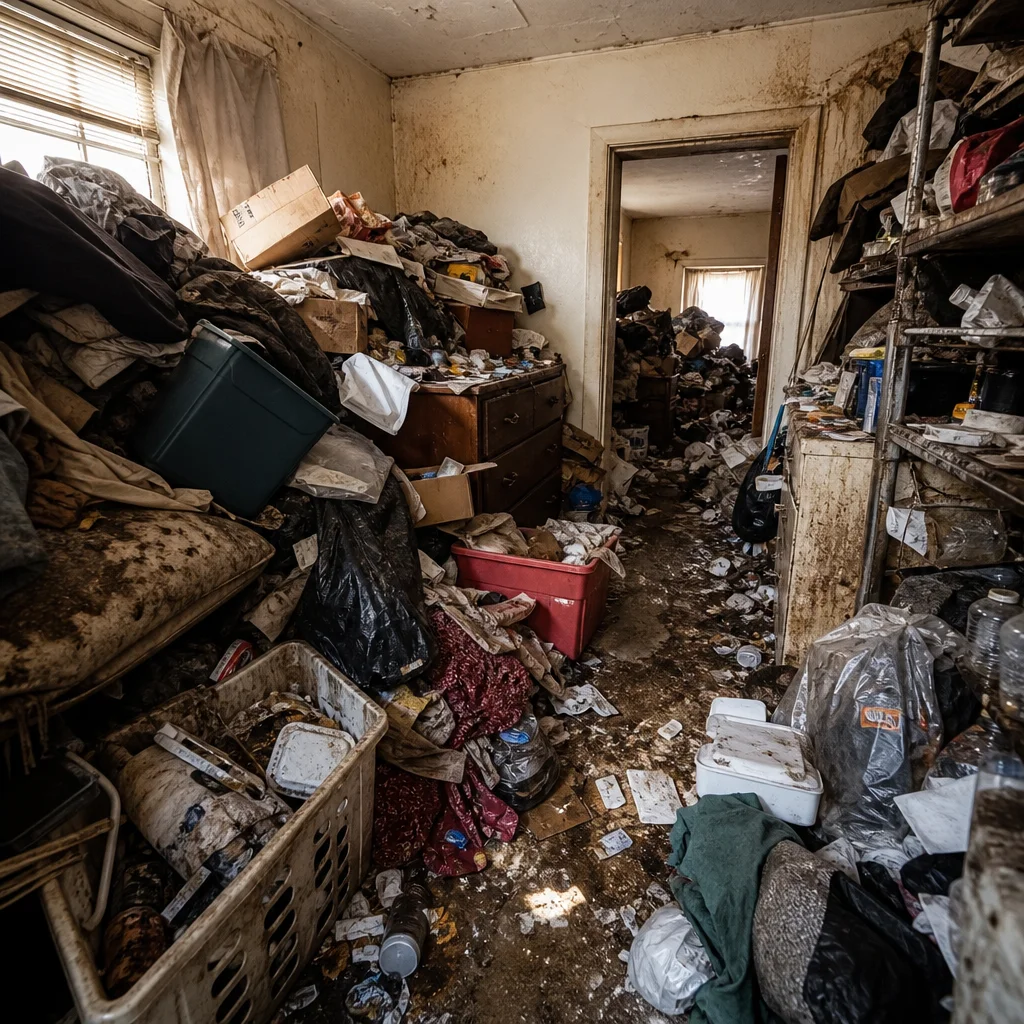
Once we’ve cleaned the property, any preserved items need safe, secure storage. This means climate-controlled conditions that prevent degradation, access controls that prevent tampering, and inventory systems that track what’s stored and for how long.
We maintain a secure evidence storage facility for items that property owners need preserved but don’t want in their own homes. This might include personal effects, documents, or materials that have potential legal significance. Items are cataloged, photographed, and stored in conditions that prevent deterioration. The property owner receives a detailed inventory and access instructions.
For very sensitive materials, we work with law enforcement evidence rooms or court-authorized storage facilities. This ensures that the chain of custody remains unbroken and that materials are preserved to standards that would withstand legal scrutiny.
Storage isn’t permanent. We work with property owners to establish timelines: when items can be discarded, when they should be transferred to a lawyer or family member, or when they need to remain in secure storage pending legal proceedings. These decisions are documented and communicated in writing.
Actionable step: If your remediation service preserved items during cleanup, get a complete inventory list and store it somewhere safe. Know exactly what was preserved, where it’s stored, and how long it’s being kept. Communicate with your lawyer about long-term storage decisions.
For further reading: Biohazard cleanup compliance.
Frequently Asked Questions (FAQ)
How do we protect evidence during property remediation?
We follow strict chain of custody protocols from the moment we enter a property. Our team documents everything with photographs and detailed written records before any cleanup begins, and we coordinate directly with law enforcement or legal representatives as needed. We handle all potentially relevant materials with care, using proper containment and labeling procedures to ensure nothing is compromised for legal proceedings.
Why is detailed documentation important for our remediation work?
We maintain comprehensive records because properties involved in legal matters, unattended deaths, or investigations often require evidence for court proceedings or insurance claims. Our documentation includes photographs, written assessments, and detailed logs of what we encountered and how we handled it. This protects both our clients and ensures their property remediation meets all legal standards.
Do we work with law enforcement during cleanup?
Yes, we coordinate with law enforcement and legal teams whenever a property requires evidence preservation. We understand when first responders, health inspectors, or investigators have already been involved, and we time our work appropriately to support their needs. Our communication with authorities helps us handle sensitive situations properly while maintaining the integrity of any ongoing investigations.