Table of Contents
- When Sentimental Items Get Lost in the Clutter
- Why Valuables Go Missing During Property Transitions
- The Risks of DIY Treasure Hunting in Hazardous Conditions
- Our Systematic Approach to Valuables Identification and Retrieval
- How We Protect What Matters While We Clean
- Documentation and Cataloging for Your Peace of Mind
- Working with Insurance and Legal Requirements
- Real Stories: Reuniting Families with Lost Heirlooms
- Starting Your Valuables Retrieval Process Today
- Frequently Asked Questions (FAQ)
When Sentimental Items Get Lost in the Clutter
When a parent enters assisted living, moves to memory care, or passes away, the family home often reveals decades of accumulated items. Among the clutter, forgotten objects, and debris lie things that matter most: jewelry, documents, family photos, financial records, and irreplaceable heirlooms. We understand that discovering valuables buried in years of accumulated material is both emotionally overwhelming and physically dangerous. This guide walks you through how we approach valuables retrieval with care, system, and expertise.
Most families don’t set out to lose precious items. Instead, they simply become concealed beneath layers of accumulation. A wedding ring slips off and lands under mail. Bank statements and property deeds get filed in stacks of papers no one has touched in years. Photographs scatter across shelves, drawers, and boxes. In extreme hoarding situations, the sheer volume of items means important things are literally invisible.
The emotional weight of this loss compounds the practical challenge. You’re managing grief, making difficult decisions about the property, and often facing time pressure from banks, courts, or healthcare facilities. Meanwhile, searching through an entire house manually risks both your physical safety and your mental health. Many adult children describe feeling paralyzed when they first see a parent’s home in this condition.
The first step is recognizing that valuables retrieval isn’t optional cleanup work. It’s a specialized phase of property remediation that requires planning, documentation, and trained hands. Treating it as a separate priority from general disposal increases the likelihood you’ll actually find and preserve what matters.
What to do next: Make a list of items you believe exist in the home: jewelry, documents, photos, sentimental objects, or cash. Share this with whoever is coordinating the cleanup. Specific lists give us direction and help us focus our attention where it counts most.
Why Valuables Go Missing During Property Transitions
Hoarding and extreme clutter create ideal conditions for valuable items to disappear completely. In homes where accumulation spans decades, items aren’t stored systematically. A jewelry box sits on a nightstand, but the nightstand is buried under clothes, newspapers, and boxes. Financial documents might be in a filing cabinet, but that cabinet is surrounded by stacks of old catalogs. Photos could be anywhere: albums, shoeboxes, picture frames, or loose in drawers.
Beyond physical concealment, property transitions themselves pose real risks. When estates change hands, multiple people may access the home. When a property goes to probate or sale, timelines compress. Contractors, appraisers, real estate agents, and potential buyers move through the space. Without clear identification and protection of valuable items beforehand, they can become separated from the family or inadvertently disposed of.
We’ve also seen families make painful discoveries after rushing through cleanup alone. A well-meaning relative bags up papers for disposal, not realizing a life insurance policy or deed was tucked inside. Items that were meaningless to one family member represented everything to another. These situations highlight why professional retrieval, done carefully and documented thoroughly, protects both the items and the family relationships surrounding them.
What to do next: Ask whether any family members have had previous access to the home and might remember where specific items were kept. These details become valuable reference points during the actual retrieval work.
The Risks of DIY Treasure Hunting in Hazardous Conditions
We need to be direct about this: searching through hoarded homes, extreme clutter spaces, or properties with biohazard concerns isn’t safe for untrained people. The physical dangers are real and varied.
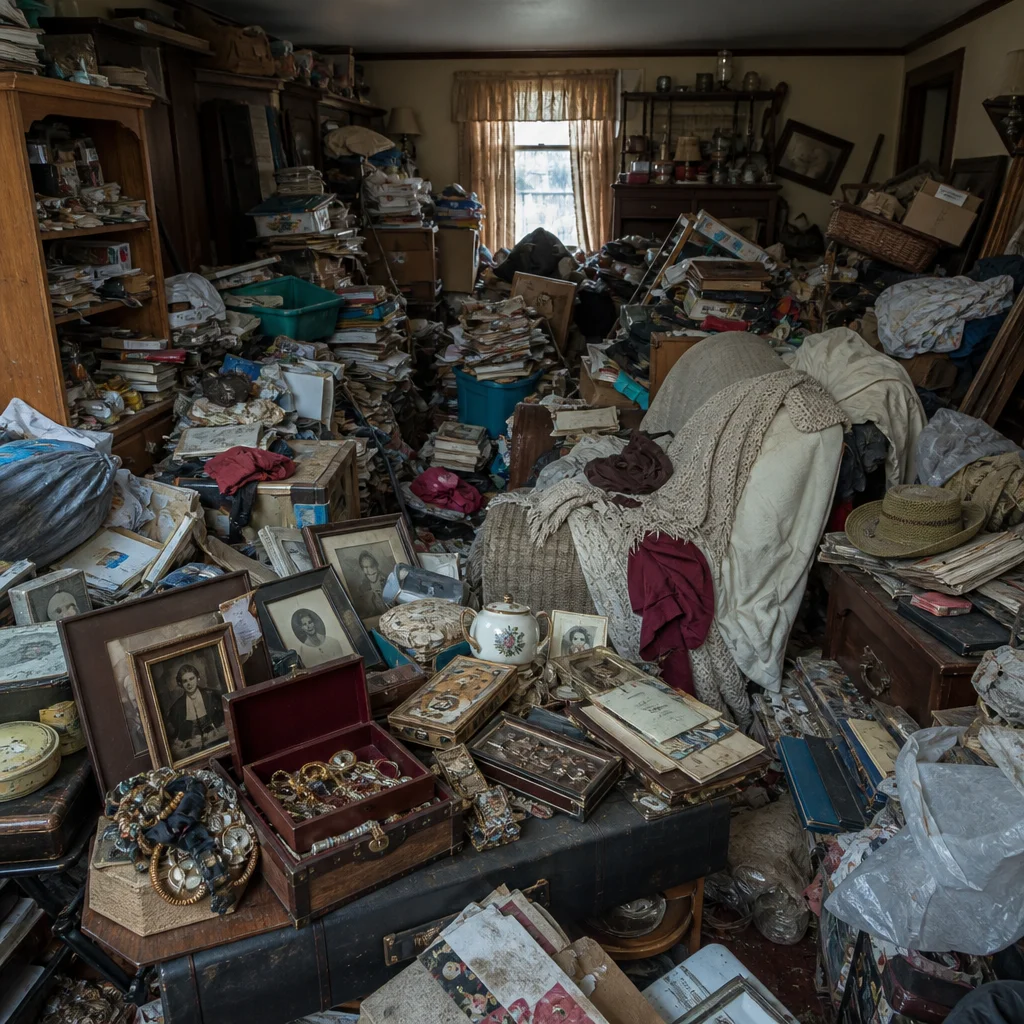
Structural instability is one risk. Mountains of items can collapse without warning. Mold, pest infestations, and animal waste create respiratory and infectious disease exposure. Sewage backup, chemical spills, and unknown substances require protective equipment and training to handle safely. In some homes, items themselves pose hazards: old electronics contain toxic materials, expired medications are dangerous to touch bare-handed, and vermin nesting in boxes or furniture means exposure risk.
Beyond physical hazards, there’s the psychological toll. Families describe feeling traumatized after spending hours sorting through their parent’s accumulated possessions. The emotional weight of deciding what stays and what goes, combined with the physical discomfort of the environment, often leads to incomplete searches and poor decision-making.
DIY approaches also rarely document findings. You may locate an item, but without photographs, written records, and proper chain of custody, you lose critical information needed for insurance claims or legal proceedings. If a valuable goes missing later, you have no evidence of when and where it was found.
Professional remediation teams like ours work within proper safety protocols. We use appropriate personal protective equipment, follow hazardous materials handling procedures, and document everything photographically. This protects your health, preserves evidence, and ensures nothing gets lost in the process.
What to do next: Don’t begin searching alone. Contact a professional team first for an assessment. A free or low-cost consultation can identify specific hazards and recommend the safest approach.
Our Systematic Approach to Valuables Identification and Retrieval
We begin every project with a detailed planning conversation. We ask about the home’s history, known locations of important items, family relationships, and any time pressures you’re facing. We also discuss your priorities: Are we searching primarily for documents and deeds? Looking for jewelry and heirlooms? Attempting to recover photos and mementos? This context shapes how we allocate our team’s attention.
During our initial site assessment, our team photographs the property and identifies specific hazards. If the space contains biohazard concerns, we address containment and safety protocols first. We may isolate certain areas or use specialized equipment depending on what we find. Once the environment is secure, our trained technicians begin systematic retrieval.
We work methodically through each room, carefully removing items from storage spaces, furniture, and concealment points. We check drawers, cabinets, mattresses, pillows, coat pockets, and boxes. We examine items that look discarded but might contain valuables, like old wallets, purses, or envelopes. Our team has experience recognizing where people typically store important things, even in chaotic spaces.
As items are recovered, they’re immediately photographed, labeled, and documented. Each discovery is recorded with location details, condition notes, and images. This creates a clear record of what was found, where it came from, and its condition when discovered. Items are then secured in protective containers and stored safely until they can be returned to family members or addressed according to your instructions.
What to do next: Share any specific hiding places or habits your family member had. Did they keep things in the freezer? Between mattresses? In shoe boxes? These details help us search more efficiently and thoroughly.
How We Protect What Matters While We Clean
Protection begins the moment we identify valuable items. We physically separate them from the general waste stream and store them in a secure, climate-controlled area. This prevents accidental disposal and protects items from environmental damage during the active remediation phase.
Fragile items receive extra care. Photographs are placed flat or carefully stacked with protective material between them. Jewelry is inspected for loose stones or damage before being placed in protective containers. Documents are dried if they’re damp and placed in archival-quality folders to prevent further deterioration. Items with sentimental value but no monetary worth still receive respectful handling and proper documentation.
We also coordinate with you about decisions regarding particular items. If we discover something unexpected, like adult materials or items suggesting financial problems, we handle that information with complete discretion. Our role is to retrieve and protect, not to judge. We document what we find and let you decide what happens next.
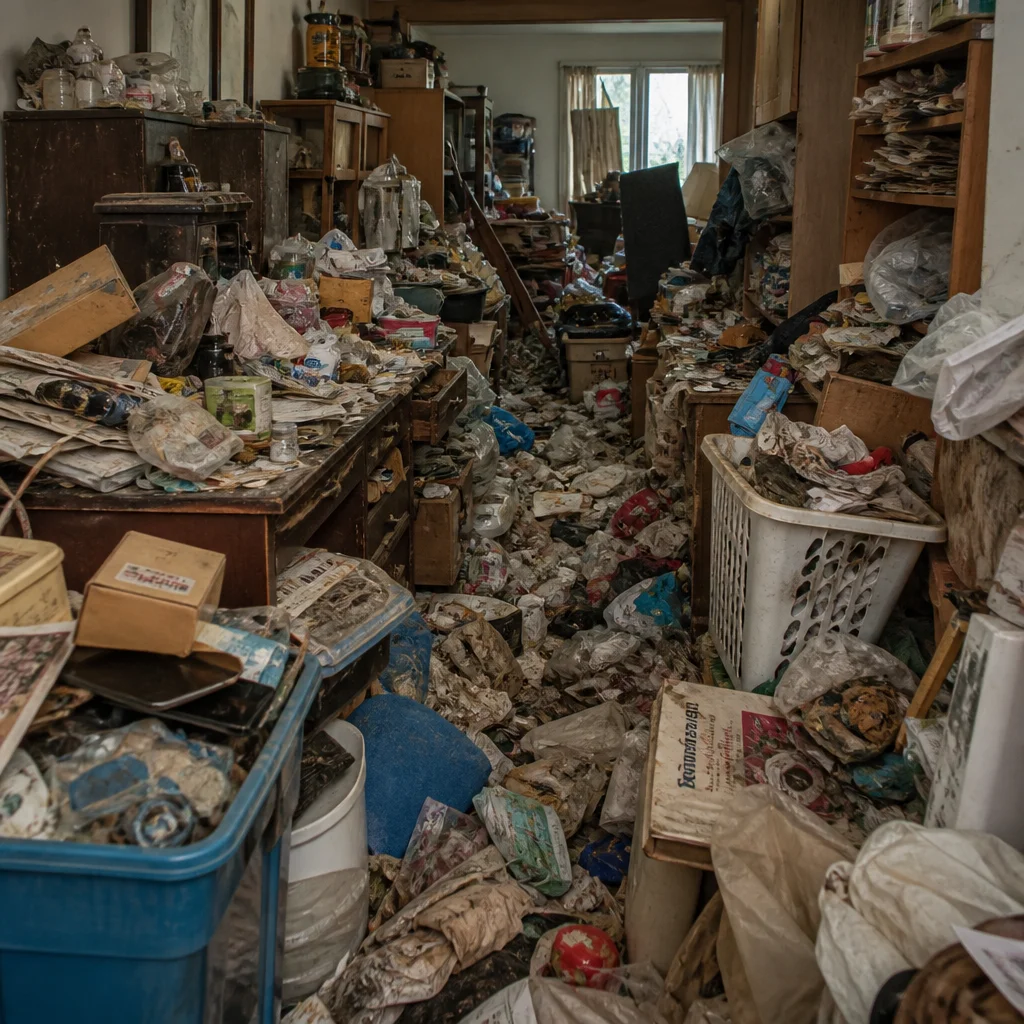
Throughout the cleanup process, we maintain separation between valuables and general debris. This is partly a safety measure, partly an organizational tool, and partly a matter of respect. The items that matter to your family deserve protection from contaminated materials and hazardous waste. Our workflow ensures this separation is maintained from discovery through final return.
What to do next: Discuss with our team any items that require special care or present concerns. Fragile family photos, valuable collections, or sentimental items should be flagged so we allocate appropriate time and resources to their handling.
Documentation and Cataloging for Your Peace of Mind
Every item we retrieve is documented in writing and photographed. We create an itemized list that includes a description of each object, the room and location where it was found, its condition, and date of recovery. Photographs provide visual confirmation of what was found and its state when discovered. This documentation serves multiple purposes.
For insurance claims, it provides evidence of what was recovered and from where. For probate or estate matters, it creates a record that can support legal proceedings. For family dynamics, it documents the process transparently so there’s no question about what happened to specific items. If family members disagree about who should receive something, the documentation clarifies when and where it was found.
We also maintain a secure chain of custody. You’ll know exactly who had access to retrieved items at each stage. This matters especially for valuable jewelry, cash, or items with significant monetary value. Some families choose to have items inventoried by a professional appraiser once they’re recovered. We can coordinate that process or provide documentation that supports their work.
All records are provided to you in both digital and printed formats. You’ll have copies of photographs, the complete itemized list, and condition notes. This becomes part of your personal records and can be referenced years later if questions arise about specific items.
What to do next: Plan how you want to receive recovered items. Do you want everything at once, or would you prefer to collect items in phases as decisions are made about each one? Let us know your preference so we can coordinate the handoff appropriately.
Working with Insurance and Legal Requirements
If the property is involved in an insurance claim, recovered items become part of the claim documentation. Your insurance company may need photographs and descriptions to process the claim or determine coverage. We provide all necessary documentation to support that process. We don’t make insurance-related recommendations, but we ensure our records are clear and complete for your insurance representative to review.
Legal situations also benefit from thorough valuables retrieval and documentation. If the property is part of an estate, divorce, or probate matter, courts may need evidence of what was in the home and what was recovered. Our documentation creates an official record that can support legal proceedings. Attorneys often request our documentation specifically because it’s systematic and professionally maintained.
For hoarding legal responsibilities, documentation also protects all parties. Landlords, property managers, and family members all benefit from clear records showing what was done and what was recovered. This transparency protects against future disputes or claims.
Our documentation also helps if valuables go missing after recovery. With photographs and detailed descriptions from our team, you have proof of what existed and its condition. This matters for insurance purposes or if questions arise later about the disposition of items.
What to do next: Inform us if there are legal matters involved with the property. This helps us understand the documentation requirements and ensure our records meet any specific legal standards your situation requires.
Real Stories: Reuniting Families with Lost Heirlooms
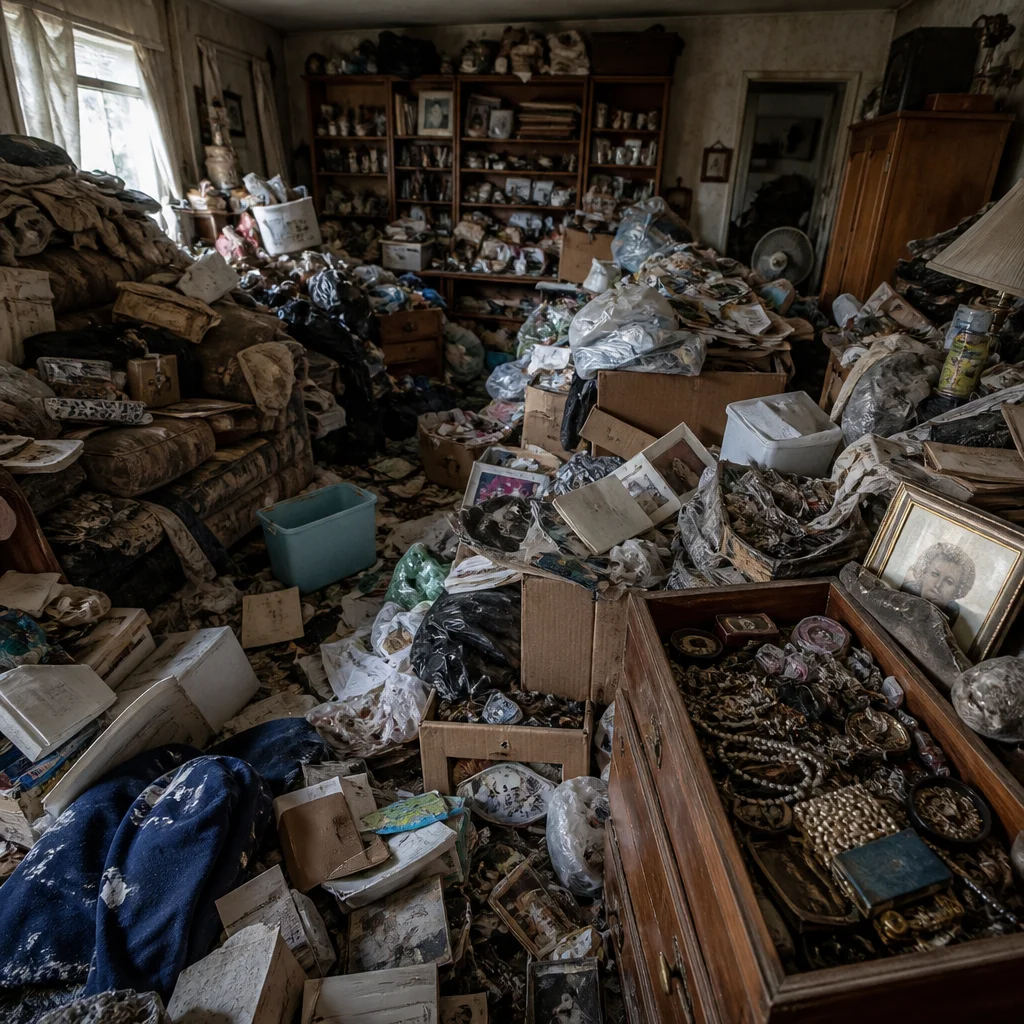
We’ve helped families recover items they’d given up finding. One daughter entered her parent’s home after a fall and found it filled with decades of accumulated material. She’d resigned herself to losing most of her mother’s jewelry, assuming it was buried too deep to locate. During our careful retrieval work, we found not only the jewelry but also the original boxes and documentation, all stored inside a closet beneath stacks of clothing. The discovery brought closure and allowed the family to divide the pieces meaningfully among siblings.
Another family discovered financial documents they’d desperately needed: property deeds, insurance policies, and bank account information. These documents had been stored in a filing cabinet that was surrounded by so much material it wasn’t visible during a quick walkthrough. Systematic retrieval uncovered them, preventing complications in the estate settlement and ensuring insurance benefits weren’t missed.
A granddaughter was particularly moved when we recovered a collection of handwritten letters and photographs from her grandmother’s home. These items had been scattered across drawers and boxes but were carefully photographed and organized by our team. The granddaughter now has a tangible connection to her grandmother’s life and history that would have been lost during typical junk removal.
In each case, the combination of trained eyes, systematic process, and careful documentation meant the difference between losing these treasures forever and having them returned to the family. These aren’t unusual outcomes for us. They’re the routine result of treating valuables retrieval as a specialized part of our work.
What to do next: Think about what you’re hoping to find. The clearer your vision, the better our team can focus their efforts on the items that matter most to your family.
Starting Your Valuables Retrieval Process Today
If you’re facing the cleanup of a parent’s home, an estate property, or any situation where valuable items might be hidden in clutter or hazardous conditions, we’re here to help. Our process begins with a confidential conversation about your specific situation, followed by a professional assessment of the property. We’ll identify hazards, discuss valuables retrieval priorities, and outline a clear plan for proceeding safely.
We work with compassion and discretion. We understand these situations are sensitive and often involve grief, complicated family dynamics, or time pressure. Our team approaches every project with respect for the family, the home, and the items within it. We handle everything from the physical work to the documentation to the careful return of recovered valuables.
Contact us for a same-day assessment and flat-rate quote. We’ll help you recover what matters, protect your family’s safety, and create a clear record of the process. Your peace of mind is worth the professional approach.
Frequently Asked Questions (FAQ)
How do we handle valuables during a deep cleanout to make sure nothing gets accidentally discarded?
We use a systematic identification and cataloging process where our trained team carefully examines items before removal. We set aside anything that appears to have sentimental or monetary value, photograph it, and document its location and condition. Our crew communicates continuously throughout the project so you’re informed about what we’re finding and how we’re preserving it.
What if we discover valuable items that were buried under years of clutter?
We stop and contact you immediately to discuss next steps. We don’t make assumptions about what should be kept or discarded, especially with items that could be family heirlooms, important documents, or financially valuable. We photograph these discoveries and maintain detailed records so you have a complete inventory of what was recovered from your property.
Can we help with insurance claims or legal documentation related to recovered items and property damage?
We provide detailed documentation, photographs, and written inventories of everything we discover and remove, which can support insurance claims and legal proceedings. Our reports include condition assessments and location details that help establish what was present in the property. We work with your insurance company and legal representatives to provide the documentation you need.