Table of Contents
- Why Standard Cleanup Fails in Sensitive Situations
- Understanding Trauma-Informed Approaches to Property Remediation
- The Emotional Toll of Discovery and the Need for Compassion
- How We Apply Trauma-Informed Principles to Every Remediation Project
- Our Team's Training in Discretion and Sensitivity
- The Importance of Safety and Health Compliance During Sensitive Cleanups
- Flat-Rate Pricing That Removes Financial Uncertainty and Stress
- Our Assessment Process: Meeting You Where You Are
- Documentation and Support for Legal and Family Situations
- Why Timing and Discreet Service Matter Most
- Taking the First Step With Professional, Confidential Support
- Frequently Asked Questions (FAQ)
Why Standard Cleanup Fails in Sensitive Situations
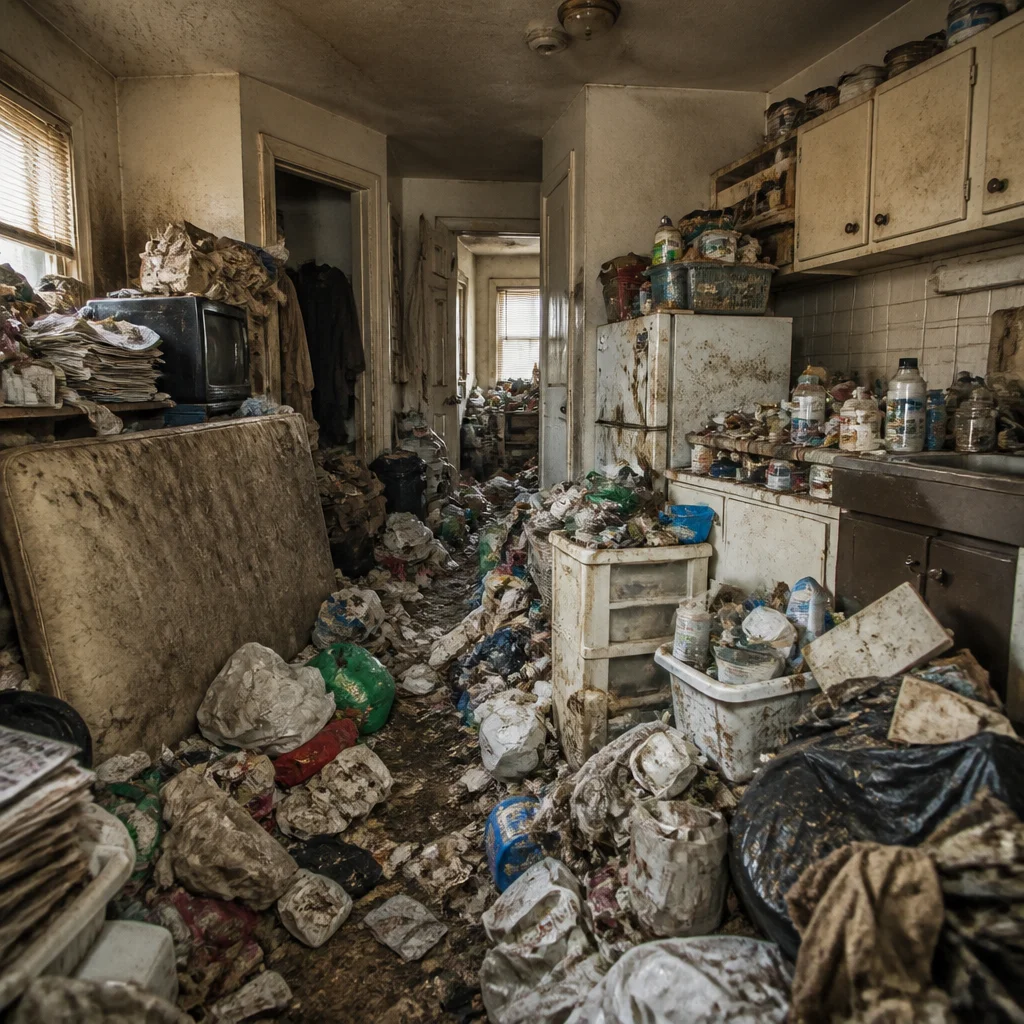
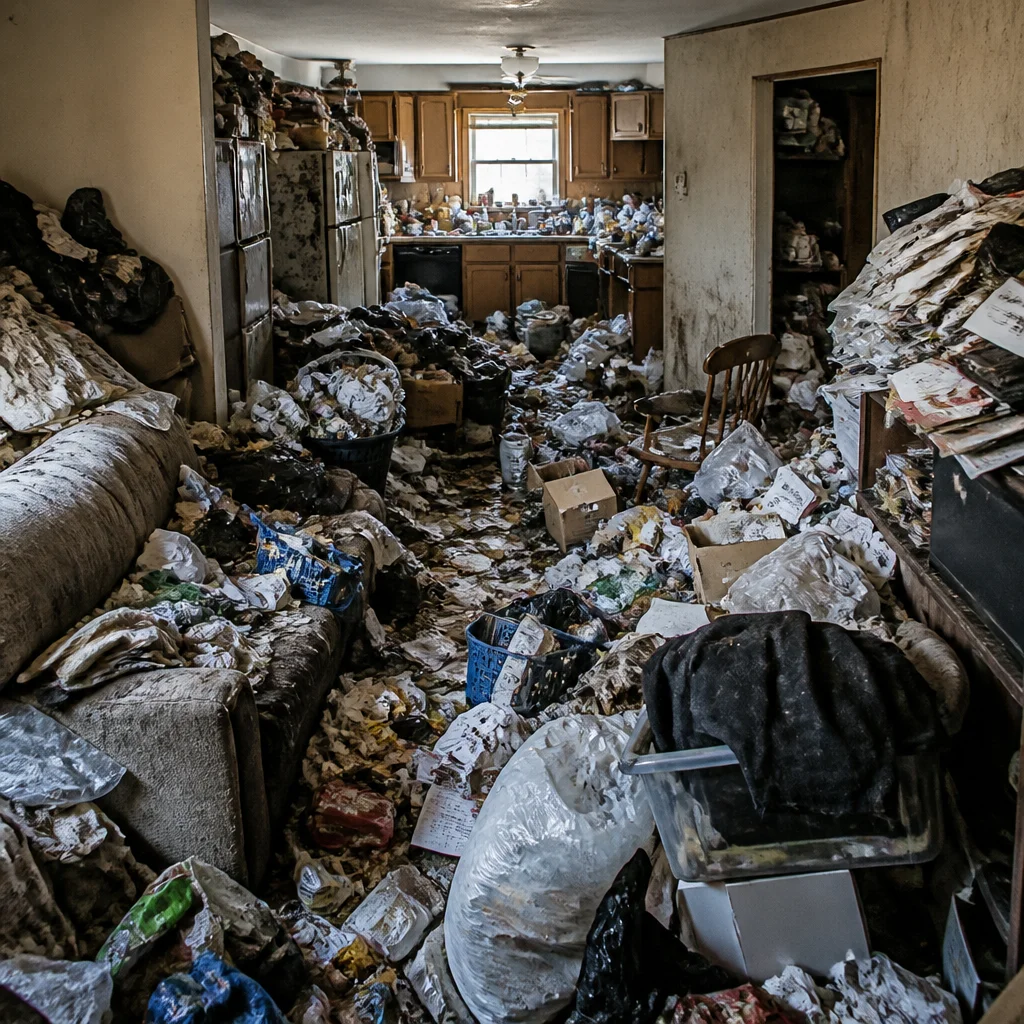
When someone discovers a property in extreme disrepair, a typical junk removal or general cleaning crew isn’t equipped to handle what they’ll encounter. Standard cleanup operations focus on speed and efficiency, which works fine for routine jobs. But in situations involving hoarding, biohazards, unattended death, or severe neglect, a conventional approach can compound the emotional and practical challenges already facing families.
The core problem is that most crews lack training in handling the human element. They don’t understand the shame, guilt, and trauma that adult children feel when they first see a parent’s hoarded home. They don’t know how to work around family members who may still be grieving or processing what happened. They treat the property as a job to be bulldozed through, not as a space where real suffering occurred.
Additionally, standard crews often lack proper certification for biohazard handling, appropriate safety equipment, or knowledge of disposal regulations for contaminated materials. This creates legal and health risks that families don’t anticipate until problems arise later.
What to do next: If someone has already quoted you a standard cleanup price without asking questions about the situation’s nature, that’s a red flag. Look for providers trained specifically in sensitive remediation.
Understanding Trauma-Informed Approaches to Property Remediation
Trauma-informed cleanup recognizes that the property itself is inseparable from the emotional experience surrounding it. This approach grew from understanding how people process difficult events and how their environment affects recovery and healing.
A trauma-informed provider doesn’t assume or judge. Instead, we acknowledge that hoarding, neglect, or unsafe living conditions often stem from legitimate struggles: depression, grief, cognitive decline, disability, or overwhelming life circumstances. Our job isn’t to shame anyone but to restore safety and dignity while respecting the emotional weight of the situation.
This means we listen more than we speak. We ask questions to understand what matters most to you and your family. We adapt our process based on your timeline, your emotional readiness, and what you need to feel supported rather than further traumatized.
Practically, trauma-informed remediation also means we document everything carefully, communicate clearly about what we’re doing and why, use unmarked vehicles to protect privacy, and train our teams to interact with compassion rather than efficiency as the primary goal.
Actionable step: Before hiring any service, ask whether their team receives ongoing training in trauma-informed practices or sensitivity to hoarding and grief situations.
The Emotional Toll of Discovery and the Need for Compassion
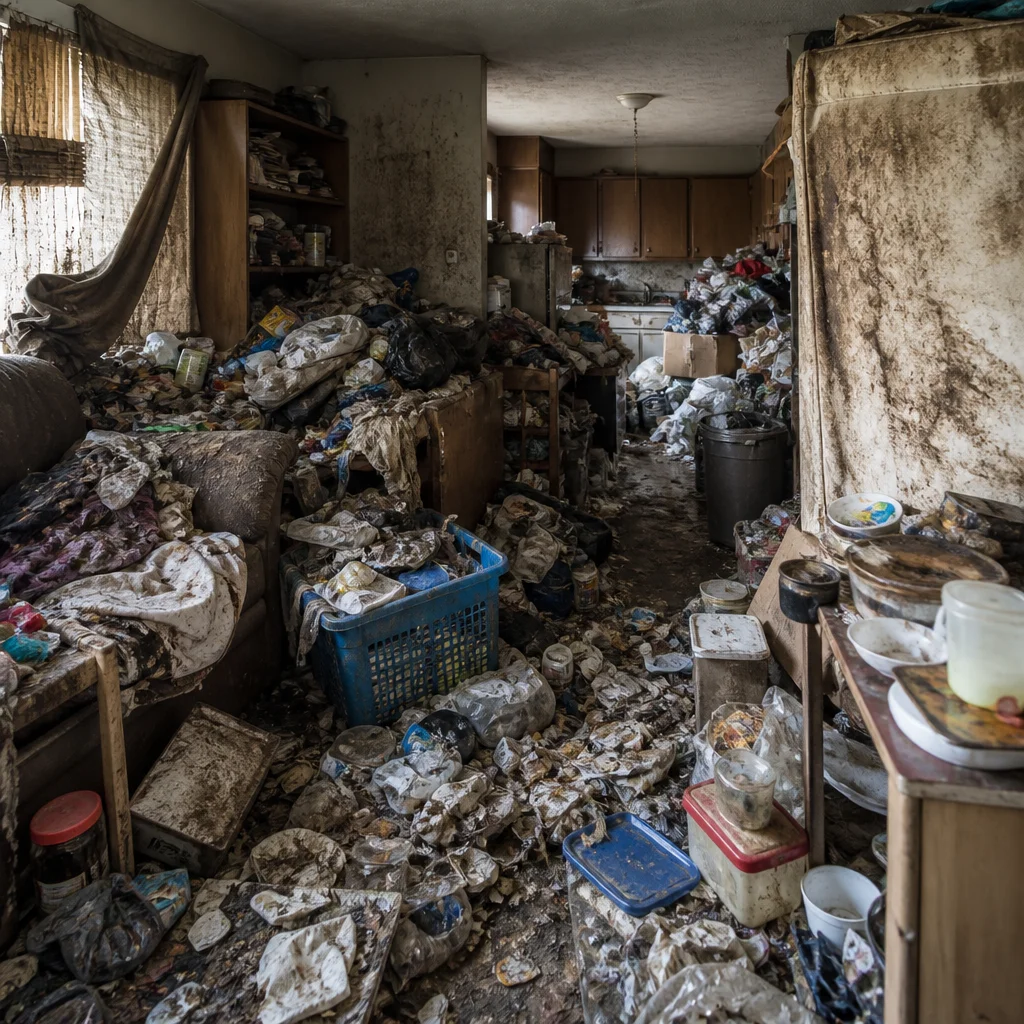
The moment a family member walks into a hoarded home for the first time, or enters a property after a loss, the emotional impact is profound. There’s shock, sometimes anger, often guilt (they should have known, should have done something sooner), and frequently a sense of helplessness about where to even begin.
This emotional state doesn’t disappear once the cleanup starts. Family members may need to be present during the process, or they may be unable to return to the property at all. They may worry about items of sentimental value being discarded. They may feel that hiring professional help is somehow a betrayal of their loved one.
A compassionate approach validates these feelings rather than rushing past them. We’ve worked with families where a single stuffed animal or photo album matters more than clearing the entire room, and we slow down to help locate and preserve what’s meaningful. We’ve worked with grieving children who need to see that their parent’s home is being treated with respect, not indifference.
Compassion also means understanding that some family members are carrying guilt or shame that has nothing to do with the property itself. Our role is to be steady, non-judgmental, and present in a way that helps them move forward, not backward.
How We Apply Trauma-Informed Principles to Every Remediation Project
We start by asking detailed questions, not to judge but to understand the full picture. Is anyone still living in the home? Are there legal requirements or timelines we need to work within? Has a death or injury occurred? Are there family dynamics that could affect how we proceed?
Our assessment focuses on safety first, then on what matters to you. We identify biohazards that require specialized handling, structural or utility concerns, and items that may hold emotional or legal significance. This isn’t a quick walkthrough. It’s a thoughtful evaluation that informs our plan.
During the remediation itself, our team works methodically and maintains clear communication with you. We explain what we’re doing, why we’re doing it, and what to expect next. We respect closed doors, sensitive areas, and the need for privacy. We use our unmarked vehicles so neighbors don’t know what’s happening at the property.
Throughout the process, we prioritize safety protocols: proper personal protective equipment, containment procedures for contaminated materials, adherence to disposal regulations, and documentation of what we’ve removed and how it was handled. This protects both our team and your family.
Trauma-informed work also means we understand that the goal isn’t perfection but restoration of livability and safety. We don’t over-clean or remove items without permission. We work with you to define what “done” looks like.
Our Team’s Training in Discretion and Sensitivity
Our technicians receive training that goes beyond standard cleanup certifications. We emphasize communication skills, emotional awareness, and the ability to remain calm and respectful in high-stress situations. Many of our team members have personal or family experience with the challenges we help resolve, which brings authentic empathy to the work.
We also train on recognizing signs of ongoing grief, depression, or crisis and knowing when to suggest additional professional support (counseling, elder services, etc.) without overstepping our role. Our job is remediation, but we operate within a broader ecosystem of family and professional care.
Discretion is non-negotiable. This means we don’t discuss cases with anyone outside the project team, we keep vehicle markings minimal, and we schedule work in ways that minimize disruption or attention. We understand that privacy is part of healing.
We conduct background checks and maintain professional standards because the homes we enter often contain vulnerable people or sensitive situations. Your trust depends on knowing that everyone on our team understands the gravity of what they’re walking into.
The Importance of Safety and Health Compliance During Sensitive Cleanups
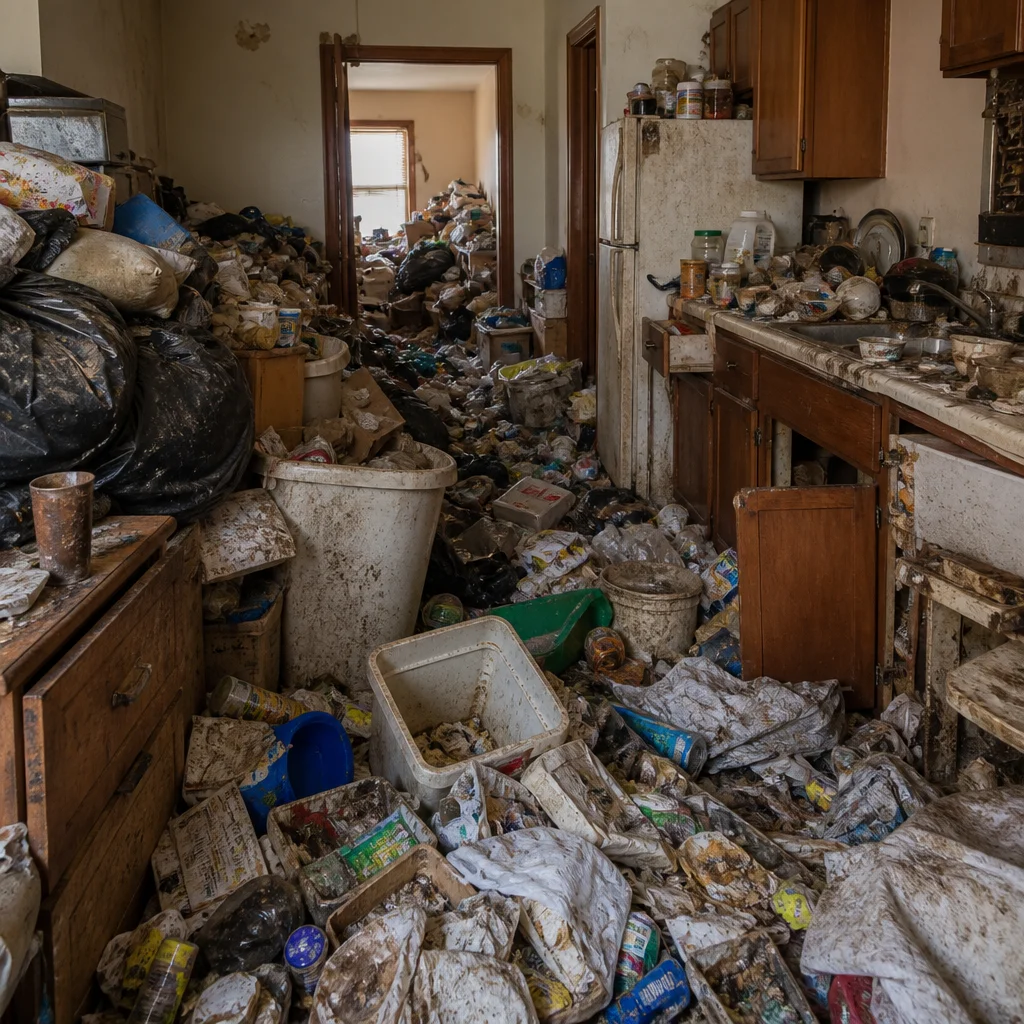
Hoarding situations, unattended deaths, sewage contamination, and extreme neglect create genuine health hazards. Mold, rodent infestation, bacterial colonies, and chemical hazards require proper protocols, not best-guess cleanup.
Our team follows OSHA guidelines, uses EPA-approved disinfectants and disposal procedures, and maintains certifications for biohazard handling. We use appropriate personal protective equipment: respirators, suits, gloves, and footwear rated for the contamination level we’re addressing. We also use equipment like air scrubbers to manage airborne particles during and after removal.
Safety compliance also means proper documentation. We itemize what we’ve removed, note contamination levels, and provide records that may be needed for insurance claims, property sales, or legal proceedings. This creates a paper trail that protects everyone involved.
Our team is vaccinated and regularly trained on bloodborne pathogen protocols, proper handling of biohazardous waste, and safe disposal of items that may contain infectious material. We also follow local regulations regarding waste transport and disposal, which varies by jurisdiction.
Important note: This work cannot be done safely by untrained family members or casual cleaning services. The health risks are real, and the legal liability is significant.
Flat-Rate Pricing That Removes Financial Uncertainty and Stress
One reason families delay difficult cleanups is that they don’t know what it will cost. Traditional contractors charge hourly rates that can escalate unexpectedly, leaving people anxious about mounting bills.
We offer flat-rate pricing so you know the full cost upfront. After our assessment, we provide a clear quote based on the scope of work: the size of the property, the severity of contamination, the type of materials involved, and the timeline you need. No surprises, no hidden fees.
This pricing model removes one major source of stress. You can make decisions based on actual numbers, not fear of unknown costs. If your situation is complex or the property is particularly large, we’ll explain the factors driving the quote so you understand where the cost comes from.
Flat-rate pricing also reflects our respect for your situation. We’re not racing through the job to maximize our hourly revenue. We’re committed to doing the work right, which takes whatever time it takes within a predictable budget.
Our Assessment Process: Meeting You Where You Are
The first step is always the assessment. We arrive at a predetermined time, use discretion, and spend as long as needed to understand what we’re working with.
During the assessment, we photograph the property (with your permission), note safety hazards, identify contamination types, and evaluate what needs professional biohazard handling versus standard removal. We also listen to your concerns and goals. If you’re anxious about certain items being saved, we note that. If there’s a legal or insurance deadline, we factor it in.
We also discuss logistics: How many crew members will you see? How long will the work take? Will the property need professional restoration after remediation (painting, carpet replacement, etc.)? Do you need our help coordinating with other services like remediation for water damage or mold?
This conversation informs our flat-rate quote. We explain what’s included (removal, disposal, initial cleaning) and what might require additional services (if hazardous materials need licensed handling, or if structural damage needs specialized contractors).
Documentation and Support for Legal and Family Situations
Many properties requiring our services also involve legal complexity. An estate may need to be probated, a house may need to be sold, or a family may be navigating inheritance disagreements. Guardianship or conservatorship proceedings sometimes involve court-ordered property assessments.
Our detailed documentation supports these situations. We provide:
- Photographic records of the property’s initial condition and final state
- Itemized lists of materials removed and disposal methods used
- Biohazard assessment reports noting contamination levels and remediation methods
- Certificates of disposal for hazardous materials
- Timeline documentation showing when work began and completed
These records have proven invaluable for insurance claims, property valuations, and legal disputes. They create an official record that protects the family and the property owner.
We also understand situations involving hoarding cleanup service where family members disagree about how to proceed. Our neutral, professional position helps families navigate these conversations. We can explain what needs to happen for safety or legal compliance versus what’s discretionary, which often helps clarify family decision-making.
Why Timing and Discreet Service Matter Most
Timing affects everything in sensitive remediation. If a property must be vacated quickly due to a hospital discharge or lease termination, we can often arrange same-day or next-day assessments and rapid service. If you need time to process emotionally before action happens, we work with that timeline.
Discreet service protects not just your privacy but your reputation and peace of mind. We use unmarked vehicles, schedule work at times that minimize neighbor visibility, and never discuss the nature of our work publicly. We understand that you don’t want your family’s struggle broadcast to the neighborhood.
Timing also intersects with recovery. The longer a severely contaminated property sits, the more biohazards spread, the greater the risk to anyone living nearby, and the more expensive remediation becomes. Quick, professional intervention stops the problem and allows healing to begin.
Our same-day assessment capability means you can contact us in the morning and have a clear understanding of the situation and costs by evening. This removes days of dread and uncertainty.
Taking the First Step With Professional, Confidential Support
Making the call to professional cleanup is difficult. It often means acknowledging that a situation has become unmanageable or that a loved one is struggling in ways you couldn’t prevent. It can feel like a failure, even though it’s actually a necessary and compassionate act.
We want you to know that reaching out is the right step. We’re here to handle the property while you handle the people, emotions, and decisions that matter most.
When you contact us, you’ll speak with someone trained to listen without judgment. We’ll answer your questions, explain what’s possible, and give you a sense of what comes next. You don’t need to have everything figured out. You just need to be ready to take the first step.
We keep all conversations confidential. Your call to us won’t be shared with neighbors, extended family, or anyone outside our team. We’re here to serve you and your family with the professionalism and compassion this situation deserves.
If you’re ready, our same-day assessment process means you can have answers and a clear path forward quickly. Contact us today to schedule a confidential consultation and learn how we can help restore safety and dignity to your property.
Frequently Asked Questions (FAQ)
What makes our approach different when handling hoarding or biohazard situations?
We understand that standard cleanup companies aren’t equipped for the emotional complexity of these situations. Our team combines professional remediation with trauma-informed care, meaning we listen first, move at your pace, and handle everything with complete discretion. We’ve trained our staff to recognize the sensitivity involved and provide dignified service whether we’re addressing hoarding, unattended death cleanup, or extreme property contamination.
How does your flat-rate pricing work, and why does it matter?
We quote a single, transparent price upfront based on our initial assessment, so you never face surprise charges or hourly surprises that compound your stress. This approach removes financial uncertainty during an already difficult time and lets you make decisions based on facts rather than fear. Our rate includes all labor, disposal, remediation, and documentation you may need for legal or insurance purposes.
What happens during your assessment, and how discreet is the process?
We arrive in unmarked vehicles and conduct a private walkthrough to evaluate the scope and any health hazards present. During this visit, we listen to your specific concerns, answer questions honestly, and provide our flat-rate quote without pressure. Our goal is to help you feel informed and supported, whether you move forward with us immediately or need time to decide.