Table of Contents
- Why Containment Zones Matter in Hoarding Situations
- Understanding the Biological and Physical Hazards We Address
- How Proper Containment Protects Your Family and Home
- Our Containment Zone Assessment Process
- Isolation Techniques We Use to Prevent Cross-Contamination
- Health Code Compliance and Professional Standards
- Documentation and Legal Protection for Your Records
- The Role of Specialized Equipment in Safe Containment
- Working With Insurance and Medical Professionals
- Your Path Forward With Professional Remediation Support
- Frequently Asked Questions (FAQ)
Why Containment Zones Matter in Hoarding Situations
When you discover a hoarded property for the first time, the scope feels overwhelming. Piles of items, unclear pathways, odors that linger, and concerns about what might be hidden beneath the clutter create legitimate safety worries. That’s where professional hoarding safety containment zones become essential. We’ve developed structured approaches to isolate contaminated areas, protect your family, and ensure the remediation process doesn’t spread hazards throughout the home or neighborhood.
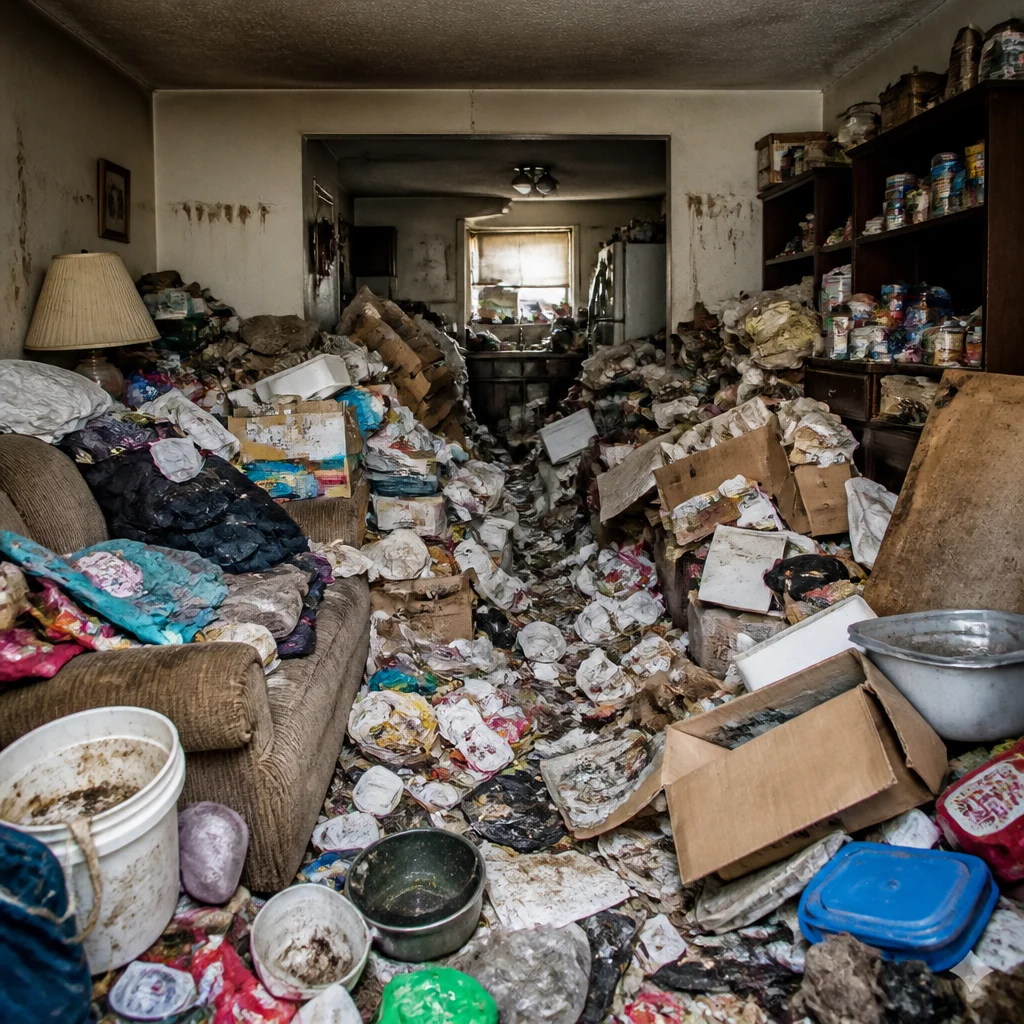
A containment zone is a clearly defined area where we isolate accumulated debris, contaminants, and biohazards during the remediation process. Without proper containment, cleanup efforts can actually spread pathogens, odors, dust, and contaminated particles to unaffected spaces in the home, the yard, or neighboring properties.
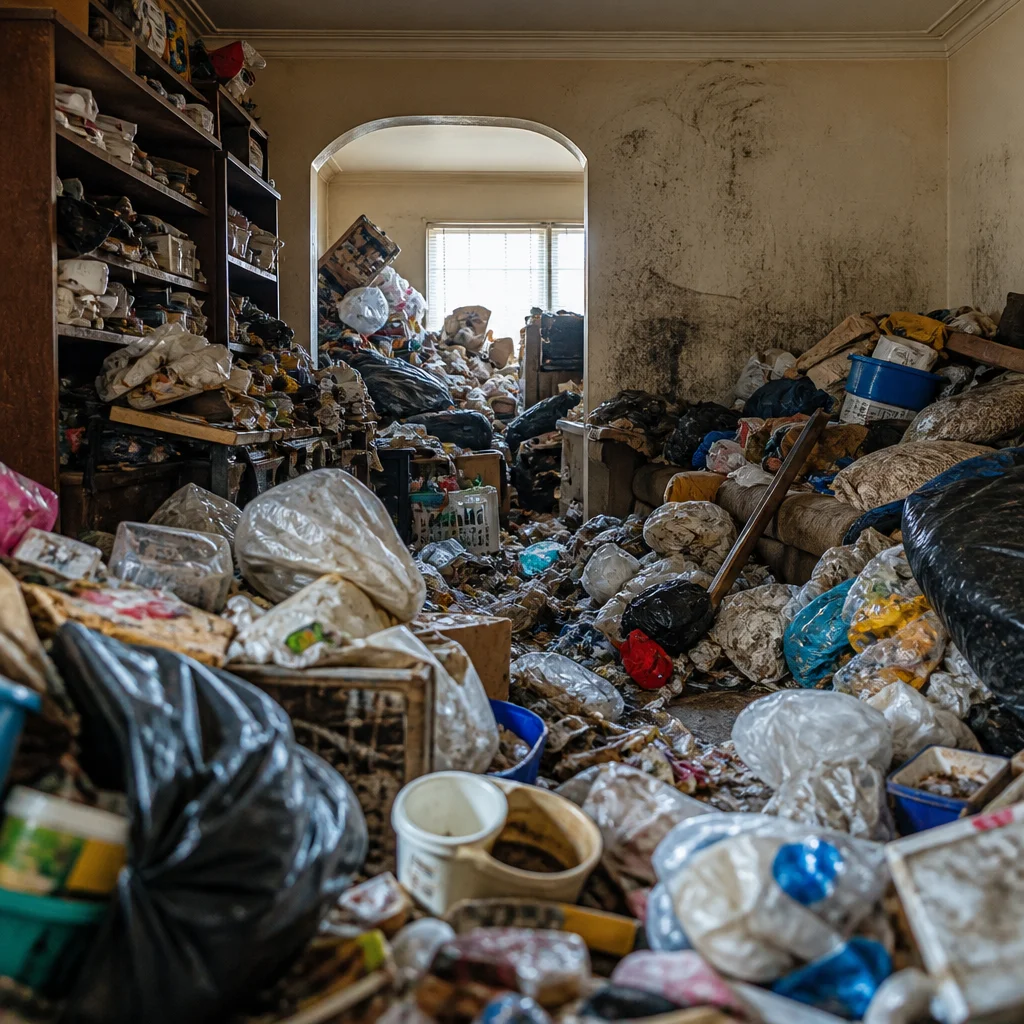
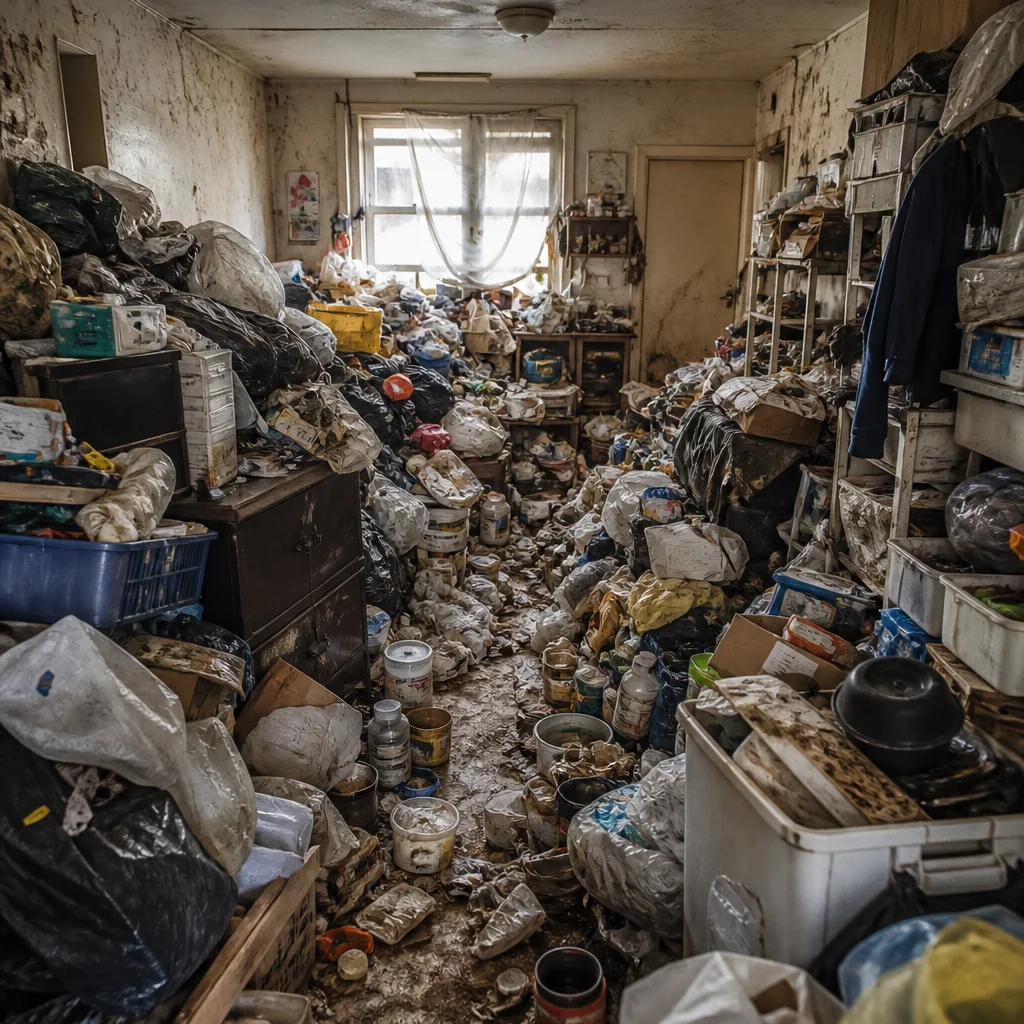
In hoarding situations, the risks are real and varied. Rodent droppings, mold spores, bacteria from sewage or animal waste, and dust from years of accumulation can become airborne during removal. Family members who enter the property without containment protocols face exposure to these hazards. The goal of containment zones isn’t to slow down the work, but to do it safely so your family can reclaim the property without health consequences.
When a parent transitions to assisted living or memory care, or when a property must be sold quickly, containment prevents delays caused by cross-contamination or complaints from neighbors about airborne debris or odors.
Understanding the Biological and Physical Hazards We Address
Hoarded properties contain layers of hazards that extend beyond obvious clutter. We regularly encounter biological contaminants including rodent and insect waste, mold colonies that thrive in piled materials, bacteria from sanitation failures, and decomposition byproducts in severe cases.
Physical hazards include structural damage from weight and moisture, compromised flooring, ceiling collapses, and sharp or toxic items buried within piles. Chemical hazards sometimes emerge too, particularly in properties where residents have hoarded cleaning supplies, medications, or industrial materials.
The biological load in a heavily hoarded space can be significant. For example, a bedroom where rodent colonies have nested for years may contain thousands of fecal pellets and associated pathogens. A bathroom where plumbing has failed might harbor sewage contamination throughout adjacent walls and flooring. Without containment, removing those materials without protective barriers risks exposing your family to the same hazards that accumulated over time.
How Proper Containment Protects Your Family and Home
Effective containment zones serve multiple protective functions. They isolate contaminated materials so they’re removed safely without spreading particles to clean areas. They create barriers that allow our team to work in full protective equipment while preventing hazards from migrating to hallways, adjacent rooms, or outdoors.
During remediation, your family stays protected by remaining outside the containment area entirely. Children, elderly relatives, and anyone with respiratory sensitivities won’t be exposed to dust clouds, mold spores, or odors that would otherwise circulate through ventilation systems. This is especially critical when CPS involvement or health inspections have already flagged the property, or when grandchildren are living in the home during the remediation process.
Containment also protects the home itself. By controlling where materials are removed and how they exit the property, we prevent contamination of unaffected rooms, foundation areas, or yard spaces. This matters significantly for properties that will be sold, as buyers and inspectors need confidence that the entire home is safe, not just the obviously affected rooms.
Our Containment Zone Assessment Process
Our first step is always an on-site assessment where we document the scope, identify hazard types, and evaluate which areas require full containment versus standard cleanup protocols. We look at room layout, ventilation systems, structural integrity, and the extent and nature of the accumulation.
During this assessment, we determine containment boundaries. Not every room requires full isolation. A bedroom with severe hoarding might need containment, while a hallway with moderate clutter might only need careful removal practices and ventilation management. We explain these decisions to you clearly so there are no surprises about the scope or timeline.
We also identify what materials will be salvageable versus what requires hazardous disposal. Personal items a family member wants to preserve get handled separately from contaminated materials. We document this process for your records, which is important if you’re coordinating with insurance or legal representatives.
Isolation Techniques We Use to Prevent Cross-Contamination
We use multiple layers of isolation depending on hazard severity. Negative air machines create pressure differences that pull contaminated air out of the zone rather than allowing it to spread. HEPA filtration captures particles smaller than standard vacuum systems can handle. Plastic sheeting seals doorways and vents, creating physical barriers between the containment zone and the rest of the property.
Personal protective equipment for our team includes respirators rated for the specific contaminants present, Tyvek suits, gloves, and boot covers. This protects our technicians and ensures no contamination leaves the zone on their clothing or equipment.
Materials exiting the containment zone are placed in sealed bags or containers before removal from the property. Saturated or severely contaminated items get double-bagged. This prevents leakage or odor escape during transport to appropriate disposal facilities. We’re licensed and insured for hazardous waste removal, and we coordinate with specialized disposal partners when materials require that level of handling.
Health Code Compliance and Professional Standards
We operate under strict safety standards and compliance frameworks that align with OSHA regulations, state health codes, and EPA guidelines for hazardous material handling. Our containment protocols meet or exceed these standards in every project.
This compliance matters practically. When a health inspector has already visited the property, you need documentation that remediation met official standards. When you’re selling the home, buyers and their inspectors want assurance that the cleanup was done professionally. Our compliance-focused approach creates that documentation and gives everyone involved confidence in the outcome.
We stay current with regulations that change annually. State-specific rules about biohazard cleanup, waste disposal, and contamination standards vary, and we ensure our protocols reflect your jurisdiction’s requirements.
Documentation and Legal Protection for Your Records
Part of our remediation process includes detailed documentation of what was removed, where, and how. We photograph containment zones before, during, and after remediation. We create written reports describing hazard types, containment methods used, and disposal records for contaminated materials.
This documentation serves multiple purposes. If you’re managing the property transition, you have clear records for insurance claims or restoration purposes. If legal issues are involved, whether related to property sale disclosures, elder care transitions, or CPS documentation, you have professional records showing the property was properly remediated.
We also provide receipts for disposal to confirm that biohazardous or hazardous materials were handled legally and responsibly. This protects you legally and demonstrates due diligence to anyone reviewing the property’s history.
The Role of Specialized Equipment in Safe Containment
The difference between DIY cleanup and professional containment lies largely in equipment. Negative air machines cost thousands of dollars and require expertise to operate effectively. HEPA vacuums and industrial-grade dehumidifiers are specialized tools most families don’t own. Proper containment requires infrared thermometers to verify air pressure differentials, moisture meters to identify hidden contamination, and industrial cleaning agents safe for contaminated surfaces.
We invest in this equipment specifically because it makes containment work reliably. A standard household vacuum can actually spread contamination further by forcing particles through its exhaust. Our equipment pulls air into sealed containment, filters it, and either exhausts it outdoors or recirculates it through HEPA filtration. This is the difference between moving contamination around and actually removing it.
Working With Insurance and Medical Professionals
Insurance companies increasingly recognize professional hoarding remediation as medically necessary and legitimate. We work regularly with adjusters and coordinate claims documentation. Our assessments and timelines help insurers understand the scope and justify coverage.
Similarly, when medical professionals have flagged health concerns related to the property, or when elder care transitions involve hoarding situations, we coordinate with healthcare providers. We understand the medical context that made the cleanup urgent in the first place. Containment protocols that protect family members and health professionals are part of our standard approach.
We communicate clearly with everyone involved. If a social worker, medical team, or legal representative needs status updates, we provide them. This coordination speeds the process and ensures the remediation supports broader care or legal plans rather than existing separately from them.
Your Path Forward With Professional Remediation Support
If you’re facing a hoarded property, you don’t need to navigate this alone. Our hoarding cleanup service begins with a compassionate, non-judgmental assessment followed by clear communication about what’s needed and why.
Contact us for a same-day assessment. We’ll evaluate the property, explain our containment approach in detail, provide flat-rate pricing, and answer any questions about how we protect your family during the remediation process. We work discreetly with unmarked vehicles and maintain full confidentiality throughout. Your family’s safety and dignity are our priorities.
Frequently Asked Questions (FAQ)
What exactly is a containment zone and why do we use them during hoarding remediation?
We establish containment zones to isolate contaminated areas and prevent biohazards from spreading throughout your home during cleanup. Our team uses physical barriers, negative air pressure systems, and controlled access points to keep hazardous materials contained in specific zones while protecting unaffected areas of your property. This approach protects your family, preserves the structural integrity of your home, and ensures we meet all health code requirements.
How does your containment process prevent cross-contamination in my home?
We implement multiple layers of isolation starting with sealed barriers between the work zone and the rest of your property, along with dedicated entry and exit routes for our team. Our technicians follow strict decontamination protocols, including changing protective equipment between areas and using HEPA filtration systems to capture airborne contaminants. We document every step of this process so you have a complete record for insurance claims or medical professionals who may need it.
What specialized equipment do we use to make containment safe and effective?
We deploy industrial-grade air scrubbers with HEPA filters, protective sheeting systems, and negative pressure containment units specifically designed for biohazard remediation. Our equipment is calibrated to the specific contamination levels we identify during our initial assessment, ensuring we use the right tools for your particular situation. After remediation, we test the containment zones to verify that all hazardous materials have been safely removed and your home is safe to reoccupy.