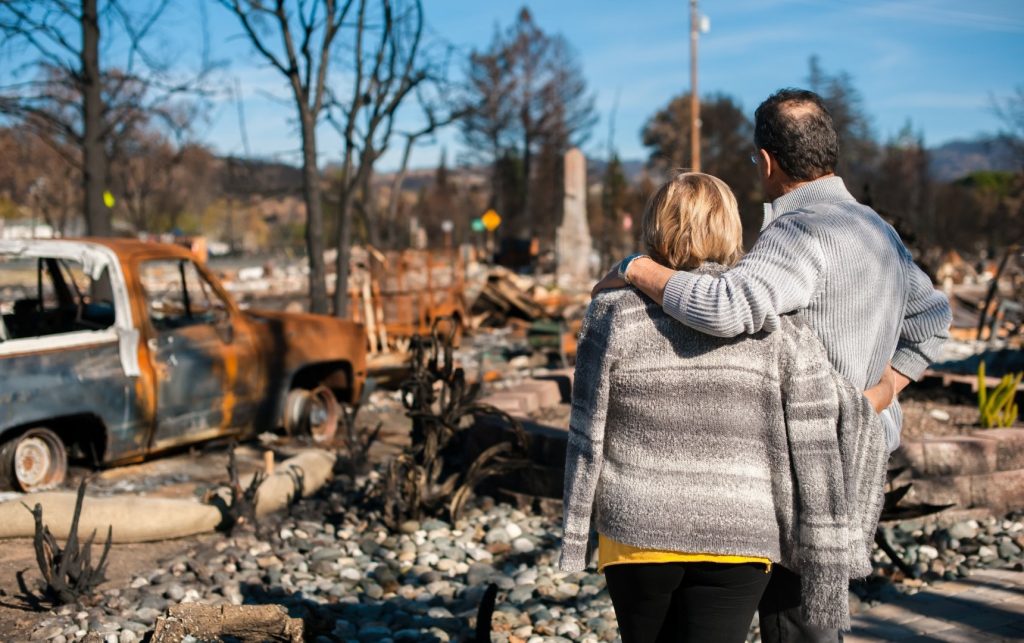
Emergency cleaning after a fire is the cleanup and removal work that starts once the fire department has released the property, covering everything from hauling out ruined contents and debris to sanitizing what stays behind. Homeowners usually need two different trades here, because a restoration contractor handles smoke damage, structural drying and the rebuild, while Emergency Cleanings handles the cleanup and removal side, including biohazard and sewage contamination. The assessment is free and the price is a flat fee locked after an on-site scope.
Disasters rarely announce themselves. When a fire tears through a kitchen, floodwater backs up through a basement drain, or a serious accident leaves a space contaminated, the immediate aftermath is disorienting and physically dangerous. Professional emergency cleaning is the structured response that prevents a bad situation from becoming worse. The hours and days following a disaster carry their own set of health risks, and knowing what those risks are and what to do about them can protect both property and the people connected to it.
What Makes Post-Disaster Cleanup Different from Routine Cleaning
The residue left behind by fires, floods, and accidents contains hazards that household cleaning products cannot address. Smoke and soot from a fire embed themselves into porous surfaces, fabrics, and ventilation systems, releasing toxic compounds long after the flames are out.
Floodwater, even when it appears clean, typically carries bacteria, sewage contamination, mold spores, and chemical residue from whatever the water passed through before entering the building. Accident scenes involving blood or bodily fluids present biological hazards governed by health and safety regulations that require trained responders.
Each of these scenarios demands a different technical response, but all of them share a common requirement: speed. Delay allows contamination to spread, mold to take hold, and structural materials to absorb hazards more deeply. The faster professional emergency cleaning begins, the more of the property can be recovered.

Fire Damage and the Hidden Dangers of Smoke Residue
A fire that appears contained to one room rarely confines its damage there. Smoke travels through wall cavities, ductwork, and any opening in the building envelope, depositing soot and toxic residue throughout the structure. The smell is the most obvious indicator, but the chemical composition of smoke residue poses a more serious concern than odor alone.
Burning synthetic materials, common in modern homes and buildings, produces compounds including carbon monoxide, hydrogen cyanide, and volatile organic compounds. These substances cling to surfaces and continue off-gassing after the fire is extinguished. Standard cleaning removes visible soot but does not neutralize or fully eliminate these compounds. Professional teams use specialized equipment and chemical agents designed for post-fire decontamination, including HEPA filtration, dry ice blasting, and thermal fogging for odor neutralization.
Structural assessment is also part of the post-fire process. Heat compromises the integrity of materials even when no visible burning is present. A professional emergency cleaning team identifies areas where further evaluation is needed before the space is reoccupied.
Flood Cleanup and the Mold Timeline
Water damage follows a predictable and unforgiving timeline. Mold growth can begin within 24 to 48 hours of water exposure under the right temperature and humidity conditions, according to the Environmental Protection Agency. By the time visible mold appears, colonization has typically been underway for days. This means that the window for effective flood cleanup is narrow and the cost of waiting grows quickly.
Floodwater is classified by contamination level. Clean water from a broken supply line carries different risks than gray water from appliances or black water from sewage backups. Each category requires a different level of protective equipment and decontamination protocol. Treating all flood situations as equivalent underestimates the risk and frequently results in incomplete remediation.
Drying alone is not sufficient after a flood. Materials that appear dry on the surface often retain moisture within their structure, creating conditions for mold growth inside walls, under flooring, and within insulation. Moisture meters and thermal imaging identify these areas, and professional extraction removes the water that fans and dehumidifiers cannot reach.
Accident Scene Cleanup and Biological Hazard Protocols
Accidents involving blood, bodily fluids, or human remains require cleanup that complies with federal OSHA standards for bloodborne pathogen exposure. These regulations exist because bloodborne pathogens, including hepatitis B, hepatitis C, and HIV, can survive on surfaces for extended periods outside the body. Hepatitis B, for example, can remain viable on a dry surface for up to seven days under certain conditions.

This category of emergency cleaning requires personal protective equipment, EPA-registered disinfectants, and regulated disposal of biohazardous waste. It also requires discretion. The circumstances surrounding these situations are often traumatic, and the people closest to them are managing shock and grief alongside the practical demands of the cleanup. A professional team trained in these situations handles the work thoroughly and respectfully, without adding to the distress already present.
What to Do Immediately After a Disaster
Before a professional team arrives, a few steps help limit further damage without exposing anyone to unnecessary risk. Ventilating the space by opening windows and doors reduces airborne contamination where safe to do so. Avoiding the affected area limits additional exposure and preserves conditions for accurate professional assessment. Documenting the damage with photographs supports insurance claims and helps cleanup teams prioritize their response.
Personal protective equipment, including gloves and a mask rated for particulate filtration, is advisable for anyone who must enter a contaminated space before professional cleaning begins. Standard dust masks do not provide adequate protection against smoke particulates, mold spores, or biological hazards.
Emergency Cleaning Services Built for the Worst-Case Scenario
At Emergency Cleanings, we respond to the full range of post-disaster scenarios with trained teams, proper equipment, and a commitment to thorough, compliant cleanup. Our same-day emergency cleaning service is designed for situations where every hour matters.
For properties dealing with the intersection of hoarding and disaster, where accumulated materials significantly complicate fire or flood recovery, our hoarding cleanup services address both dimensions of the problem.
Certain specialized services, including hazardous waste removal and biohazard transport, are handled by licensed and insured subcontractors who meet all applicable local, state, and federal requirements.
Frequently Asked Questions
Does Emergency Cleanings do fire or water damage restoration?
No. Smoke damage repair, structural drying and the rebuild are restoration contractor work, and mold remediation belongs with them as well. What the crew does is the cleanup and removal side of the same job: clearing out ruined contents and debris, handling biohazard and sewage backup contamination, and sanitizing the surfaces that are staying.
How fast can a crew get to a house after a fire or a flood?
Same-day response is the standard on emergency calls. You get a two-hour arrival window, and the technician texts an ETA once he is on the road. Coverage is nationwide through vetted, licensed and insured local technicians.
What happens to the contents that cannot be saved?
They get sorted, hauled out and disposed of through the proper stream for what they are, with regulated waste going to licensed disposal. Disposal records are available if you request them, which helps when an insurance adjuster asks what left the property.
How does pricing work on an emergency cleanup?
A technician scopes the property in person, and the flat price is locked before any work begins. There is no charge for that assessment. Financing is available, and larger jobs can be phased so the most urgent areas get cleared first.
When a disaster happens, response time matters. Call Emergency Cleanings at 888-560-8488 for a same-day response and a free assessment. A technician scopes the property on site, and your flat price is locked before the first bag leaves the house.