
Respecting someone with hoarding disorder means letting them keep authority over what stays and what goes, at a pace they agreed to. That holds for family members and for whatever crew comes through the door. Emergency Cleanings runs hoarding cleanup that way, starting with a free on-site scope and a flat price locked before work begins.
A home often reflects routines, memories, and a sense of safety. When possessions begin to accumulate beyond what a space can reasonably hold, that reflection can quietly shift into something overwhelming. Conversations around clutter frequently miss the emotional weight involved, which is why hoarding awareness matters. Raising awareness helps separate a complex condition from stereotypes, opening the door to education, patience, and effective support without shame or judgment.
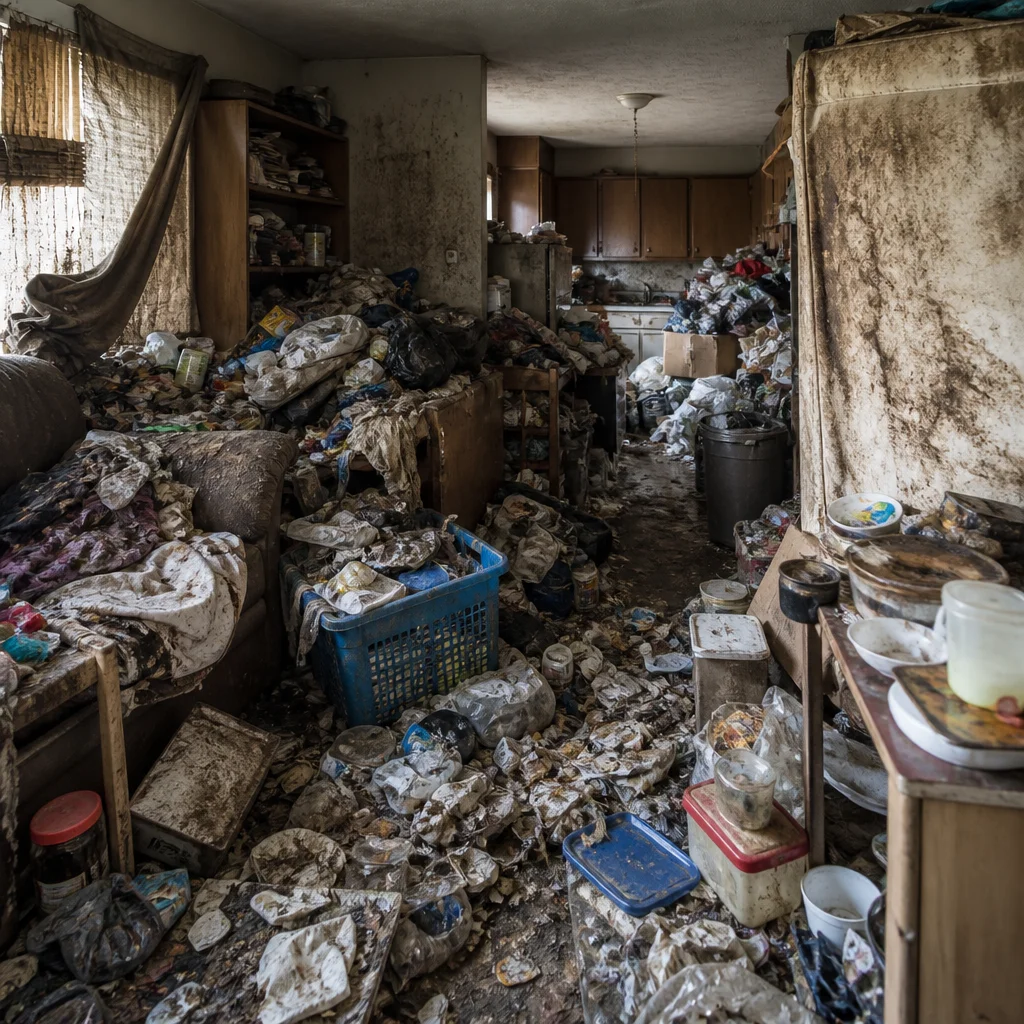
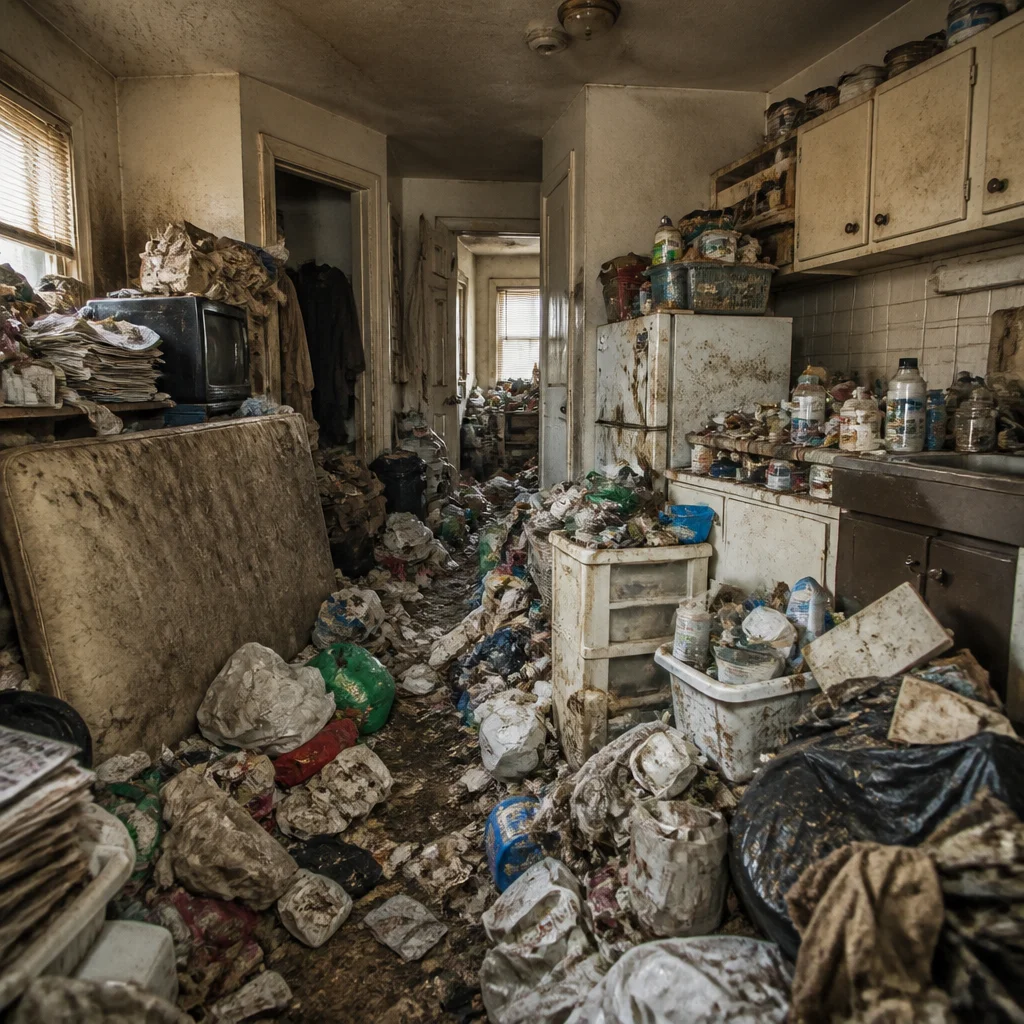
Hoarding awareness recognizes that excessive accumulation rarely stems from laziness or carelessness. Hoarding behaviors are associated with anxiety, trauma, and difficulty with decision-making, rather than a lack of responsibility. Homes affected by hoarding can pose safety risks, including blocked exits, fire hazards, and unsanitary conditions, but addressing those risks requires sensitivity as much as technical skill. Awareness creates space for respectful solutions that prioritize health and dignity at the same time.
Why Hoarding Awareness Requires Compassion and Accuracy
Hoarding awareness starts with understanding how deeply personal belongings can be. Items may represent security, identity, or memories tied to significant life events. Removing those items without care can feel like a loss rather than a solution, which is why rushed or judgmental approaches often fail. A compassionate perspective acknowledges emotional attachment while still recognizing when living conditions have become unsafe.

According to studies, hoarding disorder affects millions of adults, often worsening with age. Despite its prevalence, many individuals delay seeking help due to fear of embarrassment or loss of control. Hoarding awareness addresses this gap by emphasizing that support can be collaborative rather than punitive. When people feel respected, they are more likely to engage in the process and sustain healthier living conditions afterward.
Accuracy also matters. Not every cluttered home meets the criteria for hoarding disorder, and not every situation requires extreme intervention. Hoarding awareness encourages careful evaluation instead of assumptions, ensuring that responses match the actual level of risk. This balance protects both the physical environment and the emotional well-being of those involved.
Health and Safety Risks Highlighted by Hoarding Awareness
Hoarding awareness brings attention to risks that are often invisible until they reach a crisis point. Excessive accumulation can restrict airflow, promote mold growth, and attract pests, all of which impact indoor air quality and respiratory health. According to the Centers for Disease Control and Prevention, unsanitary living environments increase exposure to bacteria and allergens, especially for vulnerable populations.
Fire safety remains one of the most documented concerns. Blocked exits, overloaded electrical outlets, and combustible materials significantly increase the chance of injury or loss during emergencies. Hoarding awareness emphasizes prevention by identifying hazards early and addressing them systematically. Safety improvements protect not only occupants but also neighbors and first responders who may need access during an emergency.
Structural integrity can also be compromised. Excess weight from stored items stresses floors and walls, while hidden leaks or damage may go unnoticed for years. Hoarding awareness reframes cleanup as a form of risk management rather than punishment. Restoring a safe environment supports long-term stability and reduces the likelihood of costly repairs or forced interventions later.
Hoarding Awareness and a Structured Cleanup Approach
Hoarding awareness supports cleanup methods that are organized, transparent, and respectful. A structured approach reduces anxiety by clearly outlining what will happen at each stage. Assessment comes first, allowing professionals to evaluate the scope of the situation and develop a plan tailored to the space and safety requirements. Clear communication during this phase helps build trust and sets realistic expectations.
Containment follows when necessary, limiting the spread of dust, contaminants, or biohazards during the cleanup process. This step protects unaffected areas and maintains a sense of order while work is underway. Cleanup itself focuses on removing debris and unsanitary materials using appropriate tools and protective equipment, always with attention to health standards and local regulations.

Decontamination ensures that surfaces, air, and remaining contents are safe for use. This stage is critical for addressing bacteria, odors, and allergens that linger after visible clutter is removed. A final inspection confirms that all objectives have been met and that the space meets safety benchmarks. Hoarding awareness reinforces that this process is about restoring livability while respecting personal boundaries.
Supporting Long-Term Stability Through Hoarding Awareness
Hoarding awareness does not end when a space looks clean. Sustainable outcomes depend on education and ongoing support. Understanding how clutter reached a critical point helps prevent recurrence and empowers healthier habits. Professionals often encourage gradual change rather than perfection, recognizing that progress happens over time.
Family members and support networks play an important role, but awareness helps guide their involvement. Pressure or ultimatums can increase resistance, while informed support fosters cooperation. Hoarding awareness equips everyone involved with realistic expectations and strategies rooted in empathy rather than control.
When cleanup is handled with respect, individuals are more likely to feel relief instead of loss. Restored spaces can improve mobility, hygiene, and overall quality of life. Hoarding awareness reframes cleanup as a step toward safety and dignity, aligning physical improvements with emotional well-being.
A Practical and Respectful Path Forward
At Emergency Cleanings, we approach hoarding cleanup with care, structure, and respect. Our team focuses on assessment, containment, cleanup, decontamination, and final inspection to restore safety while honoring the people connected to the space.
Frequently Asked Questions
Is hoarding cleanup the same as treatment for hoarding disorder?
No. Cleanup restores a safe and sanitary home. It is not therapy, and the crew does not diagnose anyone or provide clinical care. Many families work with a therapist or case manager while cleanup is underway, and the schedule follows whatever that support plan calls for.
How do I raise the idea of cleanup without my family member shutting down?
Lead with a safety concern you can point at, like a blocked doorway or a stairway nobody can use. Ask what they want to keep before anything gets loaded out. A scheduled walkthrough with technicians who explain each step usually lands better than an ultimatum.
What happens to belongings during the cleanup?
Nothing leaves without a decision from the homeowner or the person they put in charge. Sorting happens on site, so keepsakes and paperwork get pulled aside before debris goes to the truck. Disposal records you can request are kept for what gets hauled away.
How does pricing work for a hoarding job?
A local technician walks the home first at no charge and scopes the work. After that scope, Emergency Cleanings locks a flat price, so the number does not move once work begins. Financing is available, and a large job can be phased room by room.
We coordinate with licensed and insured partners when specialized services are required, ensuring all work meets regulatory standards. Call Emergency Cleanings at 888-560-8488 for a same-day response. The assessment is free, a technician scopes the home on site, and your flat price is locked before any work begins.