Table of Contents
- Why Property Appraisers Require Clean Conditions Before Valuation
- How Hoarding Conditions Impact Your Home's Appraised Value
- The Hidden Costs of DIY Cleanup vs Professional Remediation
- Our Comprehensive Hoarding Cleanup Process for Property Assessment
- Addressing Biohazards and Contamination Issues During Cleanup
- Documentation and Certification We Provide for Appraisers
- Timeline: Getting Your Home Market-Ready for Appraisal
- Why Discretion Matters When Preparing Your Property
- Flat-Rate Pricing and What Your Cleanup Will Cost
- Moving Forward: Listing Your Home After Remediation
- Frequently Asked Questions (FAQ)
Why Property Appraisers Require Clean Conditions Before Valuation
When a parent moves to assisted living, passes away, or enters memory care, selling the family home often becomes necessary. What many adult children discover, stepping inside for the first time in years, is that the property’s condition has deteriorated far beyond what they expected. A home filled with years of accumulated clutter, odors, and contamination won’t receive an accurate appraisal and likely won’t sell at fair market value. We understand this situation, and we’re here to help you navigate the remediation process so your home can be properly evaluated and sold.
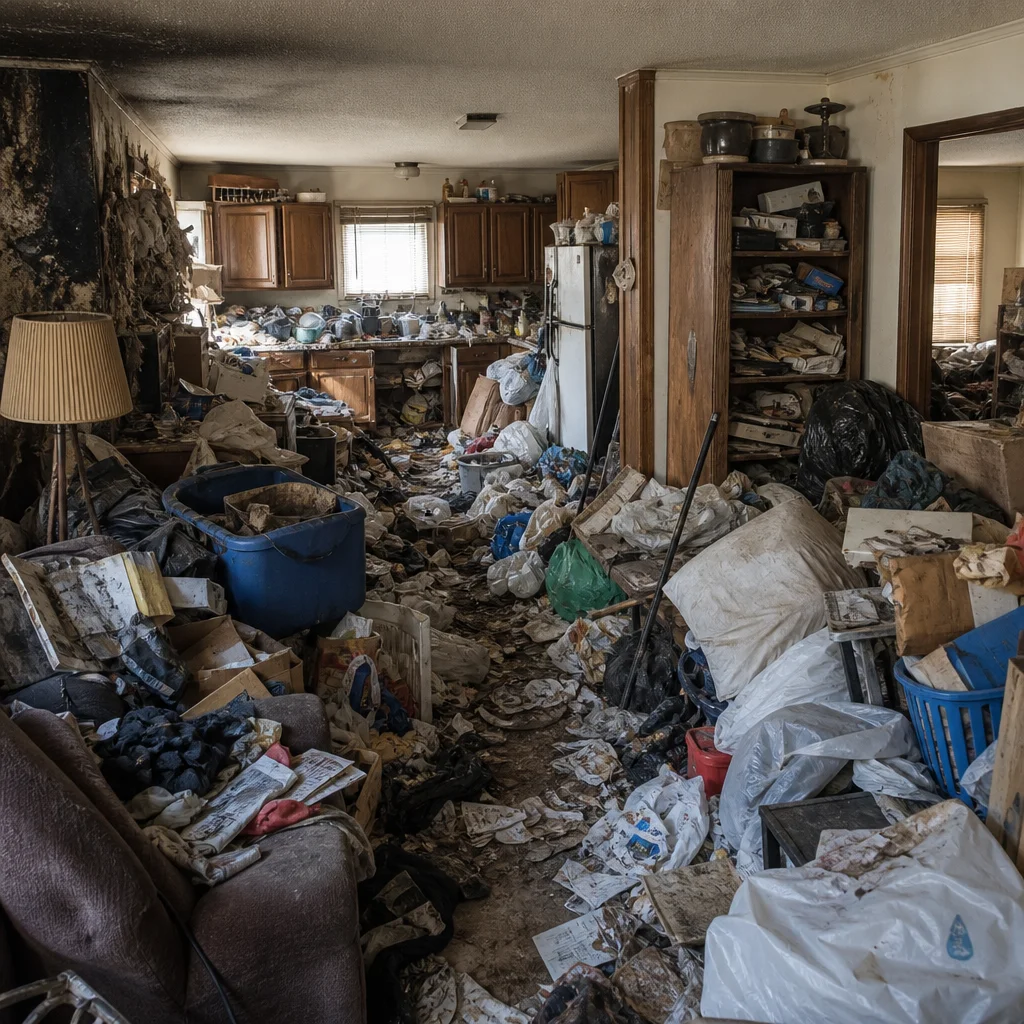
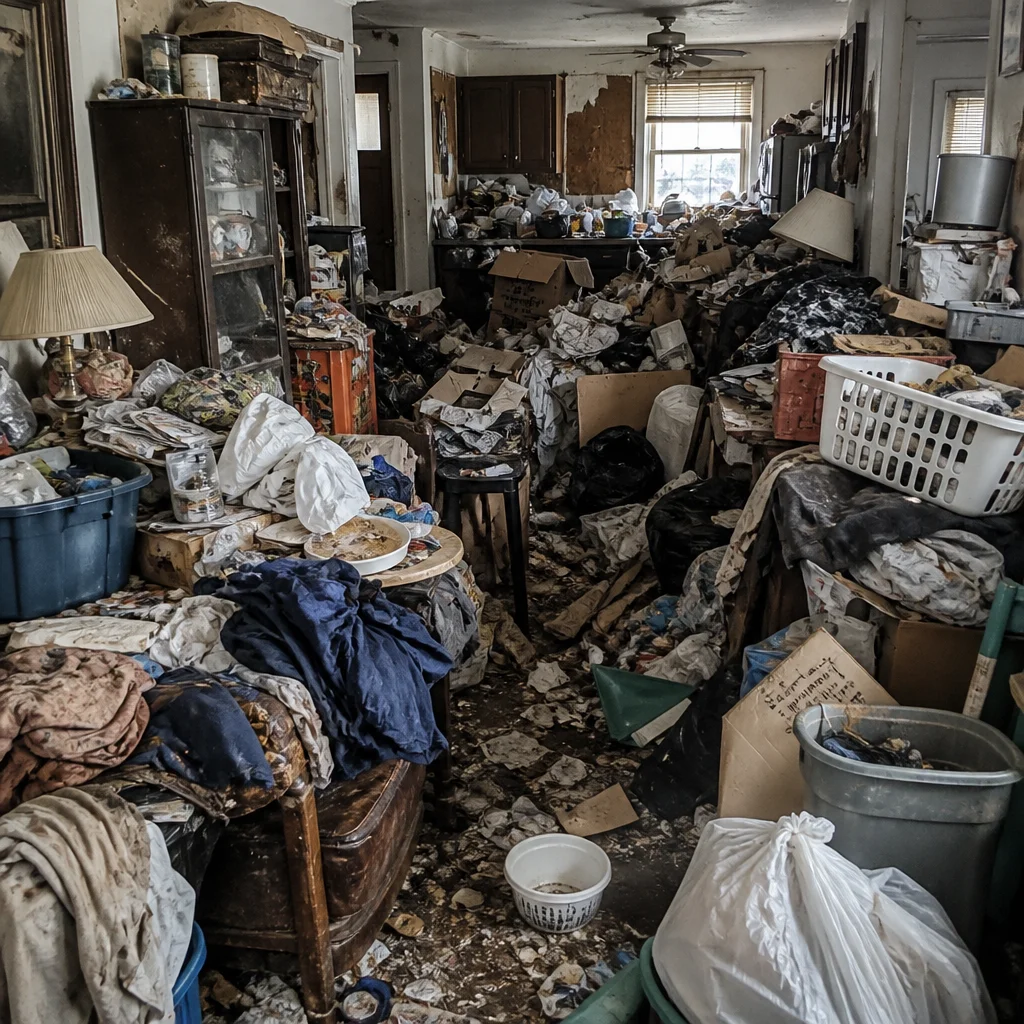
Appraisers cannot accurately assess a property’s market value when hoarding, extreme clutter, or contamination obscures the home’s structural elements, systems, and condition. They need clear access to walls, electrical panels, plumbing fixtures, roofing, flooring, and foundation. If a home is packed with items or damaged by sewage, mold, or biohazards, the appraiser will typically flag these as “unfinished” or “uninhabitable” conditions in their report, which significantly reduces valuation.
Beyond access, appraisers are obligated to document safety and health hazards. When they encounter odor issues, visible contamination, pest infestations, or structural damage caused by hoarding conditions, these observations become part of the permanent appraisal record. Lenders then review that record and may refuse to finance a purchase or require expensive remediation at the buyer’s expense, creating additional complications for a sale.
The Fannie Mae Uniform Appraisal Dataset (UAD) includes specific codes for properties with excessive clutter, hoarding conditions, and biohazards. Once these codes appear on an appraisal, future buyers and lenders will see them. Professional remediation before appraisal removes this barrier entirely, allowing your home to be valued on its actual structural merit.
How Hoarding Conditions Impact Your Home’s Appraised Value
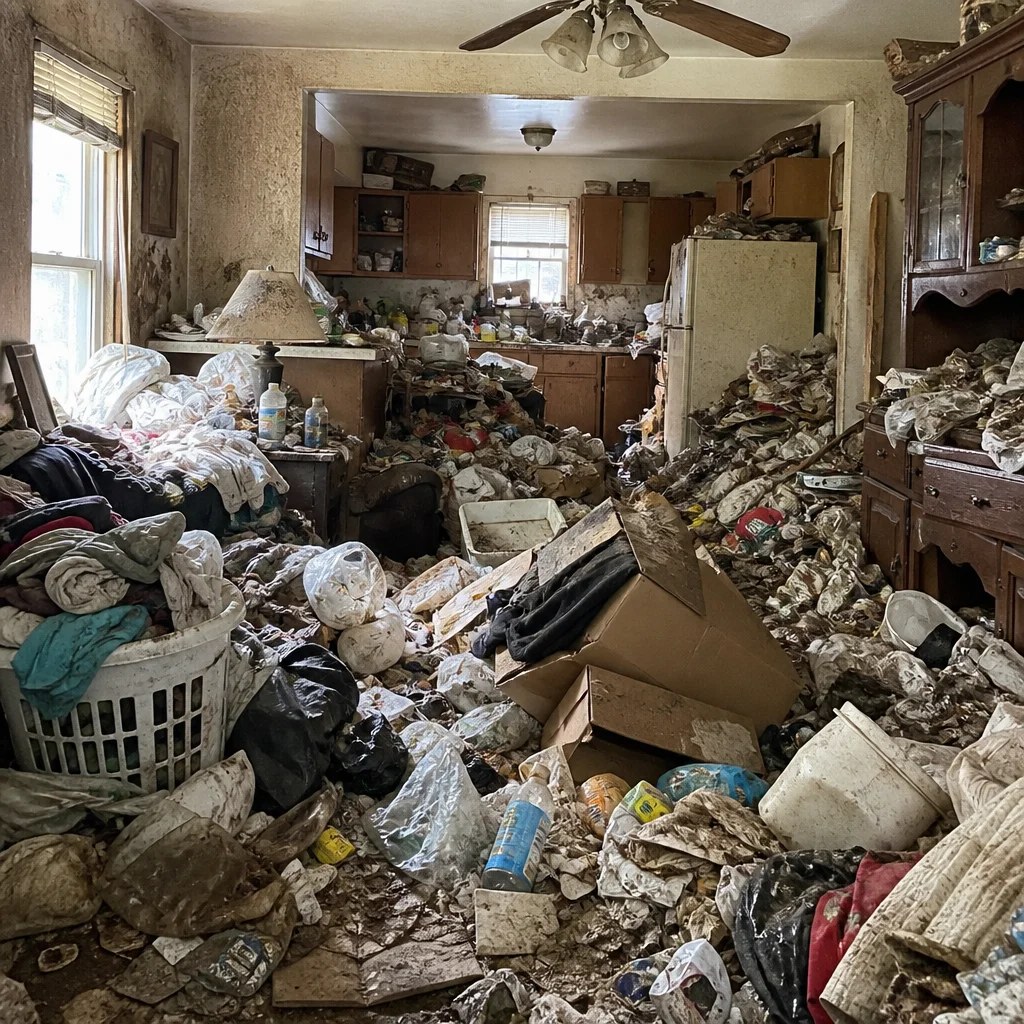
A home buried under years of accumulated items may see a 30 to 50 percent reduction in appraised value, depending on the severity of the hoarding and any resulting damage. Appraisers compare your property to similar homes in your area that are in normal, livable condition. When your home requires extensive cleanup, odor removal, and contamination remediation before it can even be inspected properly, it falls dramatically out of step with comparable sales.
The damage multiplies beyond clutter alone. Hoarding often creates secondary problems: rodent nests in walls, mold growth from moisture and poor ventilation, structural damage from water intrusion or pest activity, and plumbing or electrical hazards. Each of these reduces both the appraised value and the number of buyers willing to make an offer, even after initial cleanup.
Real estate agents frequently tell us that homes requiring hoarding remediation sit on the market for months longer than cleaned properties. When they finally do sell, the sale price reflects the buyer’s worry about hidden damage and remediation costs. A professional appraisal after proper cleanup ensures the home is valued fairly and attracts serious buyers.
The Hidden Costs of DIY Cleanup vs Professional Remediation
The instinct to handle cleanup yourself or hire general handymen may seem cost-effective at first, but it typically creates far larger expenses down the road. DIY cleanup approaches often result in incomplete odor removal, inadequate disposal of biohazards, and undetected contamination that appears months later during a buyer’s inspection.
Improper handling of contaminated materials can also create legal liability. If sewage, mold, or chemical contamination is not properly documented and disposed of according to local health regulations, you may face fines or permit issues when selling. Appraisers and buyers’ inspectors will identify the amateur work, and your home’s credibility suffers.
Professional remediation teams bring proper equipment, training in biohazard handling, and knowledge of local disposal regulations. We document everything we do, which gives appraisers and future buyers confidence that the work was completed to standard. That assurance translates directly into higher appraisals and faster sales. The professional approach costs more upfront but saves money by avoiding failed sales, renegotiations, and post-closing disputes.
Our Comprehensive Hoarding Cleanup Process for Property Assessment
Our hoarding cleanup service begins with a discreet, no-pressure assessment. We visit the property, evaluate the scope of clutter, identify any contamination or biohazards, and walk you through exactly what needs to happen. We measure the work carefully so we can provide a transparent, flat-rate quote with no surprises.
Once you approve the plan, our trained team removes items room by room, sorting, hauling, and properly disposing of everything according to local regulations. We work systematically to avoid cross-contamination and ensure nothing hazardous is mixed with standard waste. As clutter is removed, we address underlying issues: deep cleaning, odor remediation, disinfection, and any structural or systems repairs that appraisers will need to inspect.
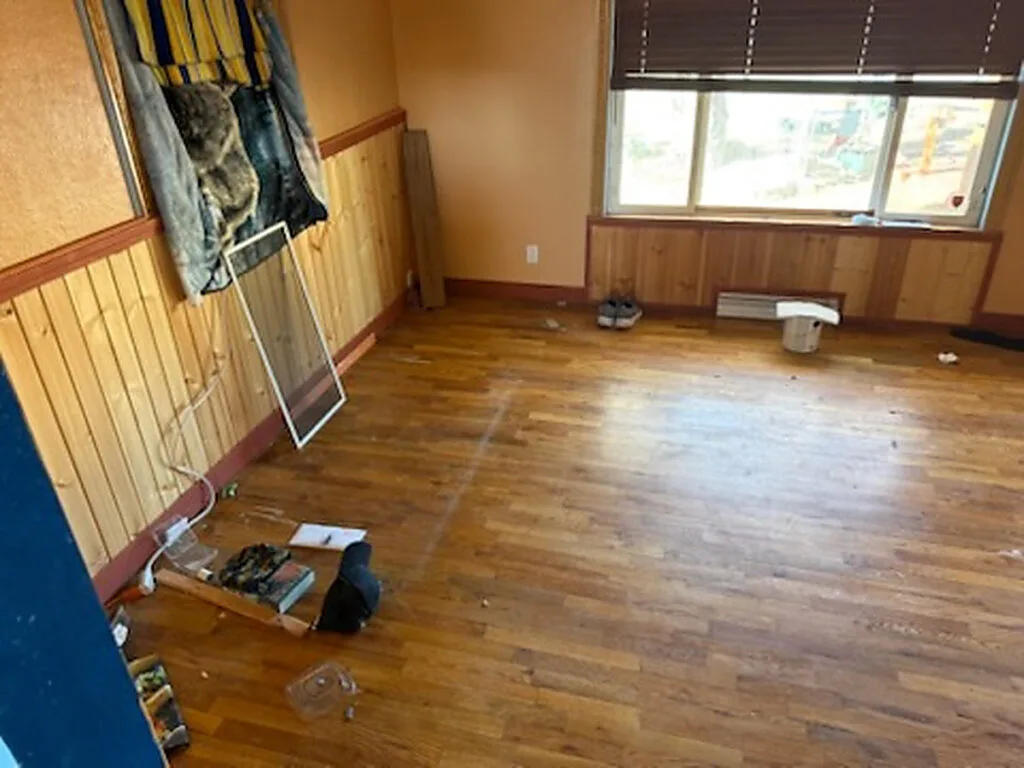
We document our work with before, during, and after photographs, along with detailed notes on what was removed, cleaned, and treated. This documentation becomes part of your property file and reassures appraisers that the work was thorough and professional.
Addressing Biohazards and Contamination Issues During Cleanup
Hoarding conditions frequently create biohazard situations that require specialized handling. Animal waste, human waste from failed plumbing, mold from moisture accumulation, and rodent or insect infestations all fall into this category. These materials cannot be handled like regular trash; they require proper containment, removal, and disposal according to health department standards.
We are equipped and trained to identify, contain, and safely remove biohazardous materials. We use appropriate personal protective equipment, employ proper decontamination procedures, and coordinate with licensed waste removal services where necessary. This protects your family, our team, and future occupants of the home.
Once biohazards are removed, we deep clean affected areas, treat for odor at the source (not just with surface fresheners), and apply professional-grade disinfection. Appraisers can then inspect the home with confidence that it meets health and safety standards.
Documentation and Certification We Provide for Appraisers
A critical part of our process is generating documentation that appraisers and real estate professionals will want to see. We provide a detailed remediation report that outlines:
- Initial condition assessment and photographs
- Scope of work completed
- Materials and biohazards removed
- Cleaning, disinfection, and odor treatment methods used
- Before and after photographs
- Disposal confirmations and certifications where applicable
This documentation allows appraisers to confidently note in their report that the property has been professionally remediated and inspected. It also gives real estate agents talking points when marketing your home and reassures buyers that the property has been handled with care and expertise.
Timeline: Getting Your Home Market-Ready for Appraisal
The timeline for hoarding cleanup depends on the size of the property and severity of the conditions, but most jobs can be completed in 3 to 14 days. We offer same-day assessments, so you can get a clear picture of timing and cost very quickly.
Once cleanup begins, we work efficiently but thoroughly. We aim to have your home ready for appraisal as soon as possible, understanding that delays cost time and money when selling. Many of our clients schedule the appraisal immediately after we finish, allowing them to move forward with listing and showings without additional delay.
Why Discretion Matters When Preparing Your Property
We know this situation is sensitive. You may feel embarrassed about the state of your parent’s home, or you’re managing a loss while also managing a property problem. We operate with complete discretion: unmarked vehicles, professional appearance, and confidential handling of all information. We don’t discuss your property or situation with anyone outside our team, and we schedule work at times that work for you.
This professionalism extends to how we communicate with appraisers, real estate agents, and buyers. Our documentation is factual and thorough without being judgmental or sensational. It positions your home as a property that required professional attention and received it, nothing more.
Flat-Rate Pricing and What Your Cleanup Will Cost
We price our work transparently with flat-rate quotes rather than hourly billing. This means no surprises, no unexpected charges, and clear understanding of your investment upfront. Our pricing for cleanup depends on the size of the home, the extent of the hoarding, and whether biohazards or contamination are present. A small apartment with moderate clutter may run significantly less than a large home with severe conditions and biohazard remediation needed.
During your initial assessment, we’ll walk through the quote so you understand exactly what’s included. We’ll also explain any optional upgrades or services that might benefit your appraisal outcome. This transparency helps you make informed decisions about your remediation budget.
Moving Forward: Listing Your Home After Remediation
Once we complete remediation and you’ve scheduled your appraisal, you’re in a position to list your home confidently. Appraisers will document a clean, safe, properly maintained property. Real estate agents can market the home without needing to downplay or explain away hoarding conditions. Buyers will see a property they can realistically evaluate and purchase without fear of hidden damage.
If you’re facing this situation now, the first step is reaching out for an assessment. We offer same-day evaluations in most areas, so you can understand your options, timeline, and costs without obligation. Contact us to schedule your consultation and take the next step toward a successful property sale.
Frequently Asked Questions (FAQ)
How quickly can we complete a hoarding cleanup before my home’s appraisal?
We typically complete same-day assessments and can often remediate properties within 3-7 business days, depending on the scope of work. Our team coordinates directly with your appraiser’s timeline to ensure we finish before your scheduled valuation. We understand that time is critical when preparing your home for sale, so we prioritize fast turnaround without compromising quality.
Will the cleanup we perform remove odors and biohazard issues that could lower my appraisal?
Yes, we address both the visible clutter and underlying contamination that appraisers evaluate. Our process includes professional odor removal, biohazard remediation, and deep sanitization that goes far beyond standard cleaning. We provide detailed documentation of all work completed, which we include in a certification report that reassures appraisers your property has been properly remediated.
What kind of pricing structure do we use for hoarding cleanup services?
We offer flat-rate pricing based on our initial assessment, so you know the exact cost upfront without hidden fees or surprise charges. Our quote covers the full scope of remediation, from clutter removal through final sanitization and documentation. This transparent approach helps you budget confidently as you prepare your property for appraisal and sale.
Ready to talk it through? Call Emergency Cleanings at 888-560-8488 for a same-day response, a free on-site assessment, and one flat price locked before any work begins.