Table of Contents
- 1. Assessing Item Condition and Donation-Worthiness
- 2. Creating a Strategic Sorting System On-Site
- 3. Identifying Local Charities and Specialized Receivers
- 4. Documenting Donations for Tax and Legal Purposes
- 5. Managing the Emotional Challenges of Letting Go
- 6. Coordinating Logistics and Pickup Timing
- 7. Ensuring Safety Standards During the Sorting Process
- Frequently Asked Questions (FAQ)
1. Assessing Item Condition and Donation-Worthiness
When a parent enters memory care or a health crisis forces a house sale, walking into years of accumulated items feels overwhelming. You’re not just cleaning a space; you’re deciding what deserves a second life and what must go. Donation sorting during hoarding cleanouts isn’t a simple trash-or-keep decision. It requires strategy, compassion, and a clear process to protect both the property and the people involved.
We work with families every week who want to recover value and dignity from what can be salvaged. This guide walks you through seven evidence-based practices that transform chaos into organized recovery, keeping emotional and legal concerns front and center.
Not everything found in a hoarded space is worth donating. The first step is honest assessment: would you accept this item if someone offered it to you? That’s your baseline.
Look for structural integrity first. Furniture with broken frames, drawers that don’t open, or visible damage won’t pass inspection at most charities and creates liability. Clothing should be free of stains, odors, and decay. Electronics need to power on and show no signs of corrosion or liquid damage. Books must be free of mold, water damage, and musty smells that indicate contamination.
Condition categories help speed decisions:
- Like-new or gently used: Furniture, appliances, clothing, books, household goods without damage
- Acceptable condition: Minor wear, fully functional, clean, safe to handle
- Salvage only: Broken pieces, heavily soiled items, anything requiring repair expertise
- Discard: Contaminated materials, items with biohazard risk, or unsalvageable goods
The reality of hoarding environments adds a safety layer to assessment. Items stored in damp basements, near sewage damage, or in areas with rodent activity may carry invisible contamination. When in doubt, err toward discarding rather than risking health exposure to charity workers or end recipients.
Your action: Sort items into these four categories physically on-site. Take photos of questionable pieces before deciding. This creates a paper trail if legal questions arise later.
2. Creating a Strategic Sorting System On-Site
Chaos multiplies when you try to sort donations without structure. On-site systems prevent re-sorting, reduce decision fatigue, and keep your team focused.
Set up dedicated zones in the cleanout space. Designate separate areas for textiles, furniture, books, kitchen items, electronics, and miscellaneous goods. Use clearly labeled bins, tarps, or rope barriers so items don’t migrate back into unsorted piles. The goal is one-pass sorting: an item enters a zone once and stays there until pickup.
Color-coding accelerates the process. Green tape for confirmed donations, yellow for “evaluate further,” red for discard. Volunteers and team members immediately understand the decision status without asking repeatedly.
Room-by-room processing also works well, especially in large homes. Complete one bedroom, move items to donation zones, and only then move to the next space. This prevents the psychological drag of seeing the entire house in partial states.
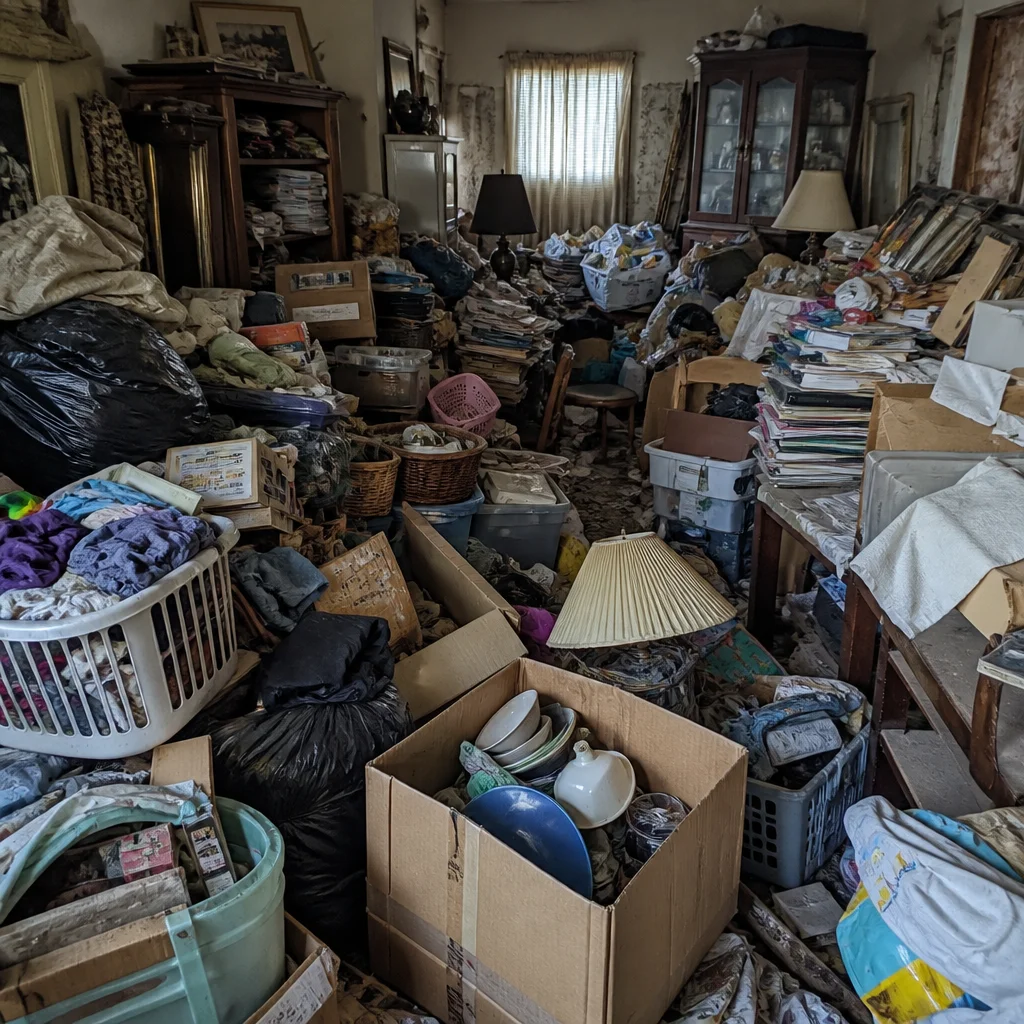
Physical barriers matter more than you’d think. When sorters see mountains of unsorted material, decision-making slows and errors increase. Completing one zone gives momentum and proof of progress.
Your action: Before sorting begins, walk the property, mark zones with tape, and assign one person to monitor boundaries. Check progress every two hours and consolidate donation areas as they fill.
3. Identifying Local Charities and Specialized Receivers
Not all charities accept the same items. Goodwill and Salvation Army take broad categories, but specialized organizations recover specific goods and often provide better documentation for tax purposes.
Research before sorting starts:
- Furniture banks: Partner with families in housing transitions; accept clean, undamaged pieces
- Textile recyclers: Accept clothing, linens, and fabrics in bulk; handle volume well
- Electronics recyclers: Take computers, phones, and appliances; ensure data erasure and proper disposal
- Book programs: Libraries, schools, and literacy nonprofits want gently used books
- Specialty outlets: Habitat for Humanity ReStore takes building materials and appliances; animal shelters accept pet supplies
Call or email each organization ahead of time. Confirm what they accept, delivery deadlines, and whether they offer pickup for large loads. Many have strict policies about condition, quantity, and delivery timing that affect your sorting decisions.
Some items fall into gaps. Broken appliances, outdated electronics, or damaged furniture often need specialized disposal services. We help families coordinate this separation, ensuring donations go to legitimate receivers while problematic items are handled responsibly.
Your action: Create a simple spreadsheet listing three to five target charities, their pickup windows, and item restrictions. Share this with your sorting team before you begin.
4. Documenting Donations for Tax and Legal Purposes
Donated items carry tax implications and create a paper trail if disputes arise about what left the property. Documentation protects both the estate and your family’s interests.
Create an itemized donation list before pickup. Include category, estimated quantity, and condition for each charity load. Don’t inflate values; use fair market value (what a thrift store would price it at, not what it cost new). This list serves as evidence for tax deductions and settles questions later if a sibling asks, “What happened to Mom’s dining set?”
Photograph donations before they leave. A quick phone video showing furniture zones, textile bags, and electronics grouped together creates visual proof of what was donated versus discarded.
Request donation receipts from each charity. Many provide written confirmation of items received, which strengthens tax documentation. If a charity doesn’t offer receipts, photograph the donation form or email confirmation they send.
For estates requiring probate or trust administration, detailed donation records satisfy executors and prevent accusations of mishandling assets. If a will is being contested or property disputes exist, this documentation becomes critical evidence.
Your action: Assign one person to photograph and list items as they’re loaded. Use a simple form: date, charity name, items, condition notes. Keep receipts in a folder with the property file.
5. Managing the Emotional Challenges of Letting Go

The person making decisions about donations is often in grief, guilt, or shock. A parent’s accumulated possessions carry emotional weight that goes beyond the object itself. Items represent memories, identity, and unresolved feelings about loss.
Adult children frequently experience waves of competing emotions: guilt about removing the parent’s belongings, shame about the condition of the home, relief that action is finally happening, and sorrow about what this change means. The emotional attachment families feel to hoarded spaces is real and deserves respect, not judgment.
Build breaks into the sorting process. Make decisions in two-hour blocks, then step away. Fatigue destroys perspective and triggers emotional spirals. A person who’s been sorting for six hours will suddenly fixate on a broken lamp as if it’s irreplaceable.
Invite a trusted family member or counselor to participate, not to judge but to provide perspective and emotional support. Sometimes hearing “Mom wouldn’t want you drowning in guilt over this” from a sibling carries more weight than anything we can say.
Reframe donations mentally: items are leaving with dignity and purpose, going to people or organizations that will use them. This shifts the narrative from “throwing away Mom’s stuff” to “honoring her belongings by passing them forward.”
Your action: Set a sorting schedule with built-in breaks. If guilt or overwhelm surfaces, pause and call a trusted person. Recognize this as a natural part of the process, not a sign something is wrong.
6. Coordinating Logistics and Pickup Timing
A donation pile sitting in a property for three weeks creates new problems: increased contamination risk, deterioration, pest activity, and ongoing emotional strain.
Schedule pickups within days of sorting, not weeks. Most charities offer flexible windows; coordinate with them before you start sorting. Confirm your donation load meets their minimums and fits their delivery vehicle.
For large loads, request multiple pickups. A furniture bank might come Monday for larger pieces, and a textile recycler Thursday for clothing and linens. Staggering prevents overwhelming the space and gives you flexibility if sorting extends longer than expected.
Provide clear access for charity vehicles. Remove obstacles from driveways and entryways. If items are on a second floor or in a basement, confirm the charity can handle stairs or difficult access before they arrive. Some won’t; knowing this in advance prevents wasted trips.
Track what’s been picked up and what’s still waiting. A simple checklist prevents items from being forgotten or left behind to decay. Once a charity confirms pickup is complete, mark them off and move forward.
Your action: Create a pickup schedule spreadsheet with dates, charities, items, and confirmed pickup times. Post it visibly so your team knows what’s leaving when.
7. Ensuring Safety Standards During the Sorting Process
Hoarding environments carry hidden hazards. Items may harbor mold, bacteria, pest contamination, or chemical exposure. Sorting without proper safety precautions puts volunteers and charity workers at risk.
Before touching anything, assess environmental conditions. Signs of mold, rodent droppings, insect infestation, or unusual odors require professional evaluation. Items stored in contaminated areas aren’t safe to donate, no matter how clean they appear on the surface.
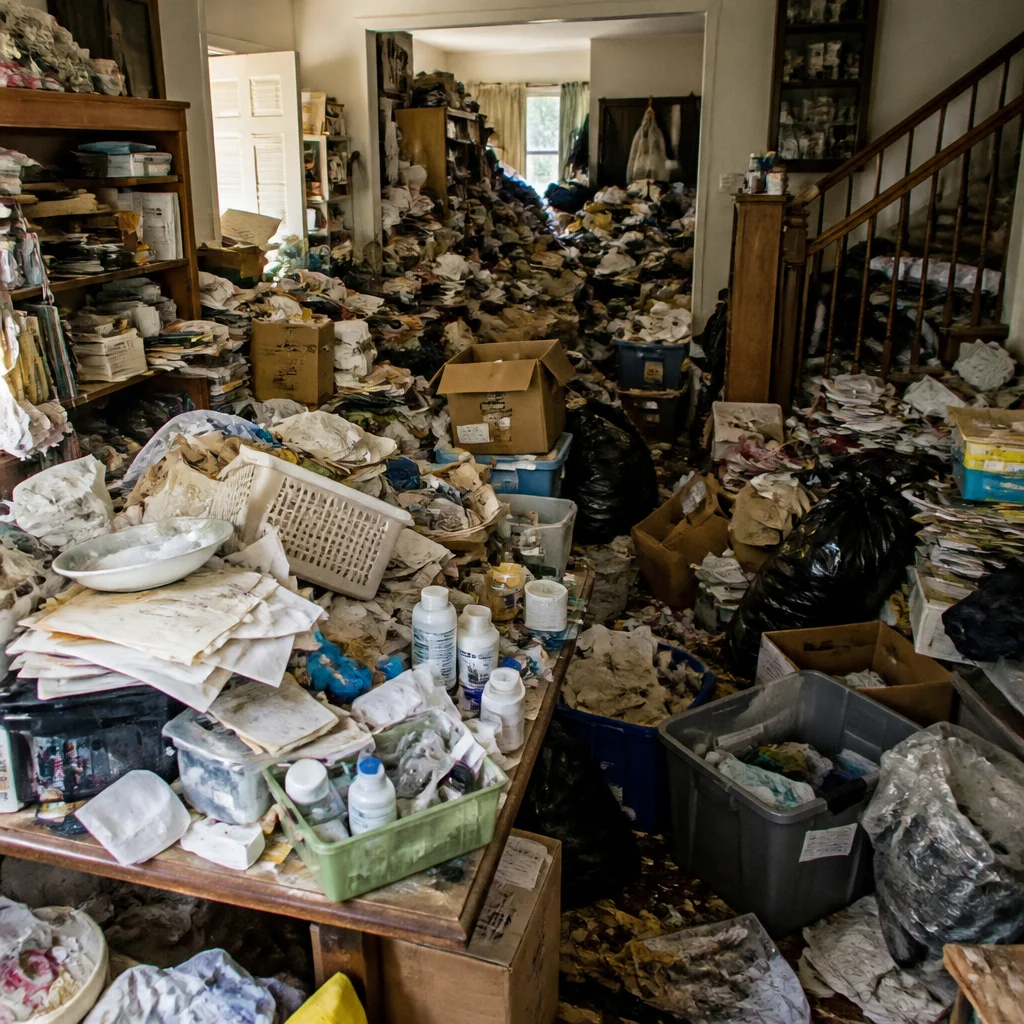
Provide personal protective equipment for everyone involved: nitrile gloves, N95 masks (upgraded to P100 if mold is present), and hand sanitizer. Require regular hand washing and discourage eating or touching faces during sorting.
Ventilate continuously. Open windows and doors. Use box fans to move air out of the property. If the space has been closed for months, air quality deteriorates quickly during sorting, and dust particles become airborne.
Set clear boundaries about what’s too contaminated to donate. If an item shows visible mold, has been exposed to sewage, or smells of decay, it belongs in the discard pile. Charities have liability concerns and will refuse contaminated donations anyway.
Our professional hoarding cleanup service includes safety protocols and proper disposal of hazardous materials. If your sorting reveals contamination, environmental damage, or biohazard conditions, professional remediation prevents health risks and ensures responsible disposal.
Your action: Before sorting begins, do a safety walkthrough. Identify any problem areas and address them first. Brief all volunteers on PPE use and contamination boundaries.
—
Donation sorting during hoarding cleanouts isn’t about maximizing what leaves the house. It’s about moving forward responsibly, with compassion for what was, and respect for what comes next. A structured approach prevents paralysis, protects people involved, and honors both the items and the person who accumulated them.
When sorting reveals environmental concerns, overwhelming volume, or safety issues beyond the scope of a family project, professional support makes the difference. We assess properties quickly, identify salvageable items, coordinate proper disposal of hazardous materials, and handle the heavy lifting while you focus on the emotional and legal aspects of the transition.
Contact us for a same-day assessment. We work discreetly, provide flat-rate pricing with no surprises, and ensure your property moves forward cleanly and safely.
For further reading: Emotional attachment.
Frequently Asked Questions (FAQ)
How do we help families decide what’s worth donating versus discarding during a cleanout?
We work with you to assess each item’s condition and donation potential before anything leaves the property. Our team understands that not everything can be donated, and we help identify pieces that charities will actually accept while being realistic about what needs to be discarded. We document this process so you have a clear record for insurance, tax, and legal purposes if needed.
Why is it important to coordinate with local charities ahead of time rather than just dropping items off?
We’ve found that calling ahead prevents wasted trips and ensures the organizations we partner with can actually accept what we’re bringing. Many charities have specific guidelines about furniture condition, clothing cleanliness, and item categories, and confirming details upfront saves time and keeps donations moving to people who need them. We manage these logistics so you don’t have to contact multiple organizations yourself.
What safety concerns should we be aware of when sorting items during a hoarding cleanup?
Hoarding situations often contain hidden hazards like broken glass, sharp metals, mold, pests, or contaminated materials that can injure people during sorting. We handle the safety assessment and ensure our team uses proper protective equipment while separating salvageable donations from items that pose health risks. Your family stays safe by letting us manage the physical sorting work in contaminated environments.