Table of Contents
- When Industrial Chemicals Enter Your Home: The Silent Threat
- Why DIY Chemical Cleanup Fails and Creates Liability
- Health Risks of Improper Chemical Handling and Exposure
- Our Comprehensive Chemical Assessment and Documentation Process
- Safe Extraction and Disposal of Hazardous Materials
- Decontamination and Property Restoration to Safe Standards
- Legal Compliance and Insurance Documentation We Provide
- Timeline and Costs: What to Expect With Flat-Rate Pricing
- How We Protect Your Family and Your Property Value
- Taking the First Step: Same-Day Assessment and Peace of Mind
- Frequently Asked Questions (FAQ)
When Industrial Chemicals Enter Your Home: The Silent Threat
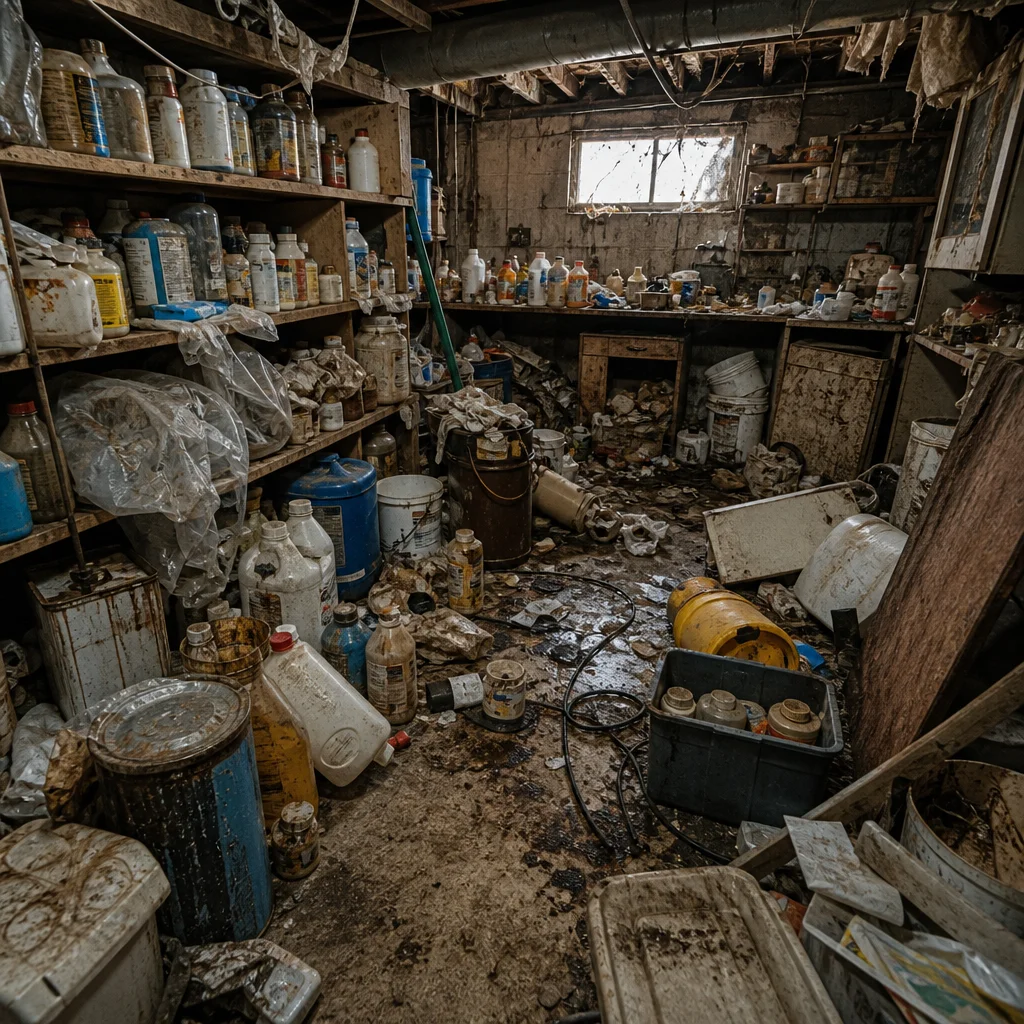
Industrial chemicals can find their way into residential spaces through unexpected channels. A parent’s workshop may contain decades of solvents, pesticides, or cleaning agents stored improperly in basements or garages. Tenants might leave behind manufacturing byproducts or illegally disposed materials. Environmental contamination from nearby industrial sites can seep into soil and groundwater. Abandoned methamphetamine production sites leave chemical residue embedded in walls, flooring, and ventilation systems.
The problem is rarely obvious at first glance. Discolored patches on concrete, unusual odors, or visible staining might be the only warning signs. Many property owners don’t realize how serious the contamination is until a real estate transaction, insurance inspection, or health concern forces the issue into the open. By then, prolonged exposure may have already occurred.
We understand how unsettling this discovery feels, especially when you’re already managing a difficult property situation. The uncertainty about what’s been released, where it’s spread, and what it means for your family’s safety creates real stress. This is exactly why professional assessment and remediation matter.
Why DIY Chemical Cleanup Fails and Creates Liability
Attempting to clean up industrial chemicals without proper training, equipment, and licensing is one of the most dangerous decisions a property owner can make. Most households don’t have access to the personal protective equipment (PPE), ventilation systems, or containment protocols required to safely handle hazardous materials.
The liability exposure is equally serious. If someone becomes ill or injured due to improper chemical handling on your property, you face potential lawsuits, workers’ compensation claims, and regulatory penalties. If you hire uninsured contractors to handle hazardous removal, you assume full responsibility for any accidents or health outcomes. Real estate transactions can fall apart entirely if a buyer’s inspector discovers undisclosed chemical contamination that wasn’t properly remediated.
Environmental regulations require documented, certified disposal of most industrial chemicals. Improper disposal can trigger fines from state environmental agencies, EPA violations, and criminal liability in severe cases. Simply spreading contamination to a different location shifts the problem rather than solving it.
Our approach is built on doing this work correctly from start to finish. We handle assessment, containment, extraction, disposal, decontamination, and documentation as an integrated process with full accountability at every step.
Health Risks of Improper Chemical Handling and Exposure
Chronic exposure to industrial chemicals causes serious health problems that may develop gradually or appear suddenly. Volatile organic compounds (VOCs) like trichloroethylene (TCE) or benzene can cause neurological damage, cancer, liver disease, and reproductive harm with long-term exposure. Pesticides and heavy metals accumulate in tissues over time, creating cumulative risk even at low concentration levels.
Children are especially vulnerable because their bodies are still developing and they spend more time on floors where chemical residue settles. Pregnant women face increased risks of birth defects and developmental delays in exposed children. Elderly household members with respiratory conditions can experience acute symptoms from chemical vapors.
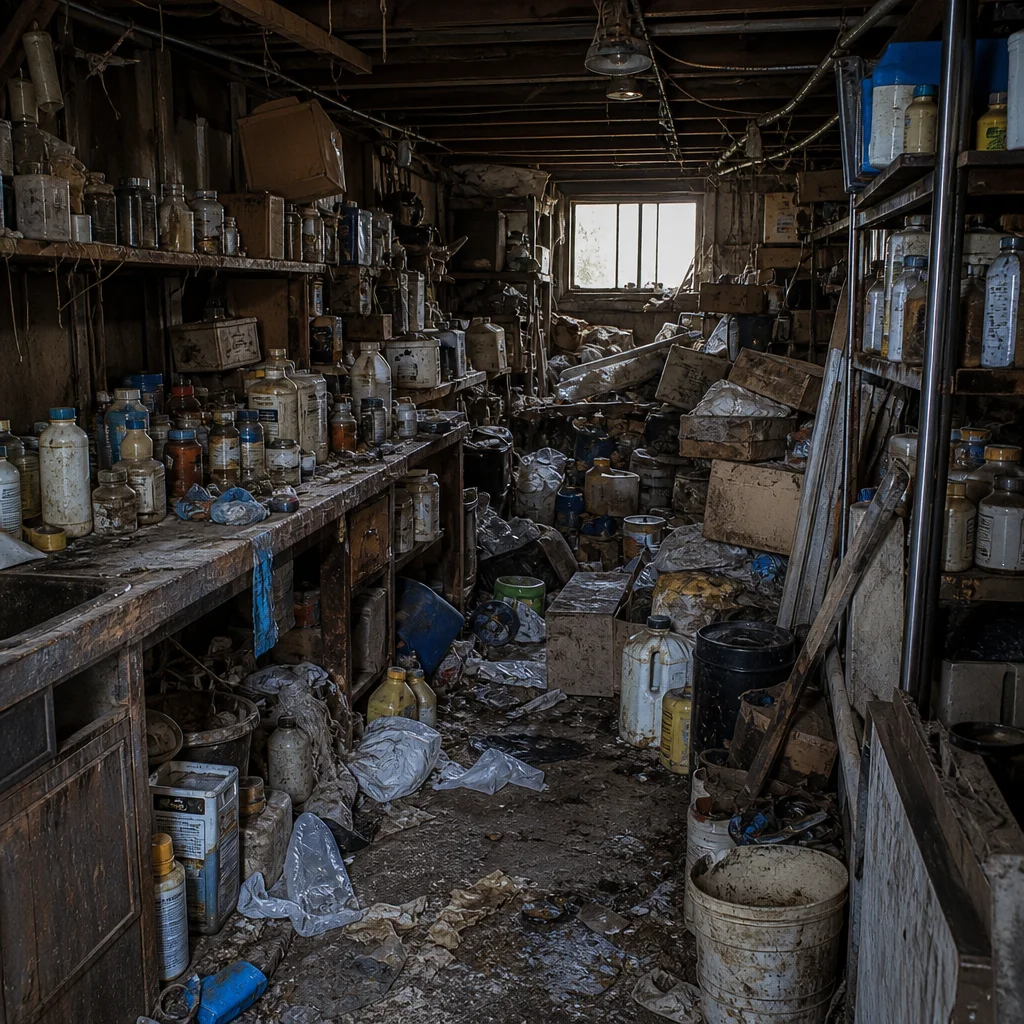
Skin contact with contaminated surfaces causes burns, chemical dermatitis, and systemic absorption of toxins. Inhalation of vapors or aerosolized particles damages lungs and enters the bloodstream directly. Ingestion through contaminated food, water, or hand-to-mouth contact in children completes the exposure pathways.
The insidious part is that many industrial chemical contaminations don’t have obvious symptoms. People live in contaminated spaces for weeks or months before health problems emerge, making it difficult to connect cause and effect. This delay means remediation shouldn’t be postponed once contamination is confirmed.
Our Comprehensive Chemical Assessment and Documentation Process
We begin with a thorough, noninvasive assessment of your property to identify the type, location, and extent of chemical contamination. Our technicians conduct visual inspection, collect samples from suspected areas, and use specialized equipment to detect vapors and surface contamination. We test soil, air quality, building materials, and water sources as needed to create a complete picture.
The assessment generates detailed documentation including photographs, lab results, contamination maps, and a written report outlining health risks and recommended remediation steps. This documentation serves multiple purposes: it informs our remediation plan, provides evidence for insurance claims, supports legal proceedings if necessary, and creates a record for future property transfers or valuations.
We’re transparent about what we find and what it means. We explain technical results in language you can understand and answer questions about the specific risks present in your home. Our goal is to give you accurate information so you can make informed decisions about next steps.
For many properties, this assessment also identifies whether additional specialists (such as licensed environmental contractors or mold remediation experts) should be involved. We coordinate with other professionals as needed and manage communication so you’re not juggling multiple contractors or conflicting advice.
Safe Extraction and Disposal of Hazardous Materials
Once assessment is complete and your remediation plan is approved, we proceed with careful extraction and containment of contaminated materials. This might include removing soil, concrete, drywall, flooring, or other building components that hold chemical residue. Our team establishes containment barriers to prevent cross-contamination, uses proper ventilation and personal protective equipment, and works methodically to isolate and remove affected materials.
All extracted materials are documented, packaged according to regulatory requirements, and transported to licensed disposal facilities that are certified to handle the specific chemicals involved. We maintain chain-of-custody records proving that hazardous materials left your property and were properly managed from our hands to final disposal. This documentation is critical for insurance, real estate, and regulatory purposes.
Hazardous material disposal requires specialized licensing and compliance with EPA, state, and local regulations. Rather than attempt this work ourselves, we work with licensed and insured subcontractors who specialize in hazardous waste transportation and disposal. This partnership ensures compliance and protects your liability.
The extraction phase is often the most disruptive to the property, which is why we schedule the work efficiently and communicate clearly about timeline and what to expect.
Decontamination and Property Restoration to Safe Standards
After contaminated materials are removed, the remaining structure requires decontamination to ensure that residual chemical residue, dust, or vapor is eliminated. Depending on the type of contamination, this might involve chemical cleaning of surfaces, HEPA filtration and air scrubbing, encapsulation of remaining surfaces, or specialized remediation techniques.
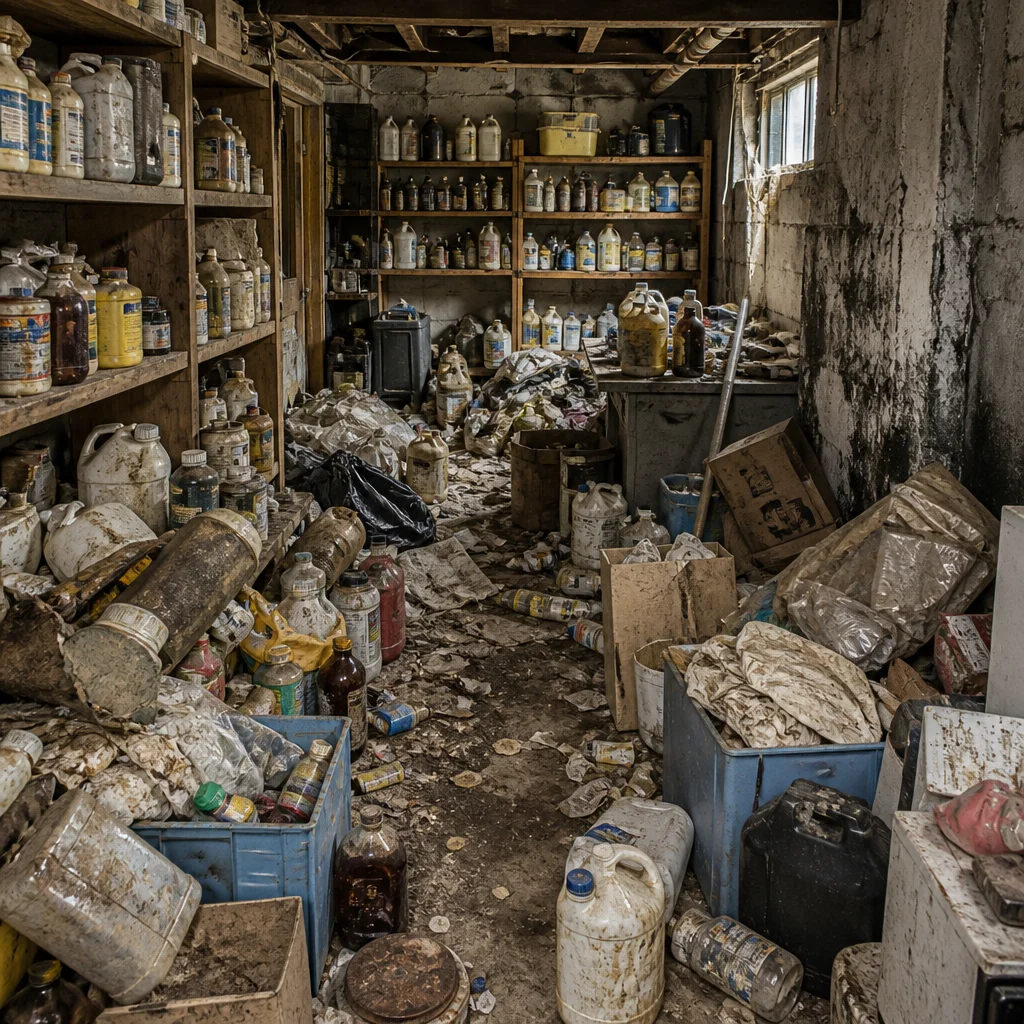
We decontaminate HVAC systems, ductwork, and ventilation to prevent recontamination through recirculated air. Hard surfaces are cleaned with appropriate solvents or neutralizing agents. Porous materials like drywall insulation or carpet padding are removed if they cannot be adequately decontaminated.
Testing confirms that decontamination is complete before we consider the space safe for occupancy. Post-remediation air quality testing, surface sampling, and visual inspection provide objective evidence that the property meets established safety standards. Once testing confirms the space is clean, we provide you with documentation of the results.
Legal Compliance and Insurance Documentation We Provide
We generate comprehensive remediation reports that document every step of the process, test results, materials removed, disposal records, and final clearance testing. This documentation package serves as proof that contamination was properly identified and remediated according to regulatory standards.
These reports support insurance claims by demonstrating professional remediation of a covered loss. Real estate transactions benefit from documentation showing that contamination was discovered, fully remediated, and verified clean, which allows the property to transfer with clear disclosure and full buyer confidence.
Property tax disputes, medical liability questions, or legal claims related to chemical exposure all benefit from detailed remediation records created during the process. Having this documentation protects you in disputes and demonstrates good-faith effort to address the contamination responsibly.
We ensure that all work complies with EPA standards, state environmental regulations, and local health codes. Our processes are designed to exceed minimum requirements, not simply meet them.
Timeline and Costs: What to Expect With Flat-Rate Pricing
Assessment typically takes one to three days depending on property size and contamination complexity. We provide a detailed estimate after assessment, with pricing based on the scope of removal, decontamination, and disposal required.
We offer flat-rate pricing for the entire remediation process, so you know the total cost upfront without surprises. No hidden fees for additional testing, unexpected materials, or extended timelines within the agreed scope. If conditions require expanding the work beyond the original assessment, we discuss and approve any changes with you before proceeding.
Remediation timelines vary widely. Small, localized contamination in a single room might require two to three weeks from assessment to final clearance. Large-scale chemical contamination affecting multiple areas or the soil around the property can take six to eight weeks or longer. We establish a realistic timeline during planning and keep you updated on progress.
Flat-rate pricing removes uncertainty and makes it easier to plan financially and logistically. You’re not paying by the hour while we navigate unexpected complications. The price reflects the actual work required to bring your property to a safe, documented-clean standard.
How We Protect Your Family and Your Property Value
Contaminated properties pose direct health risks to anyone living there, but they also become unmarketable and unmortgageable. Banks won’t finance homes with documented chemical contamination, and responsible buyers won’t proceed without full remediation and testing. Property values plummet if contamination becomes public record.
Proper remediation with documented clearance restores marketability and protects the property’s value. Buyers and lenders see evidence that contamination was professionally handled, tested, and verified clean. This confidence is worth far more than the cost of remediation.
Beyond resale value, your family’s safety and health are the immediate priority. We treat this work with the seriousness it deserves. Our team is trained in hazardous material handling, regulatory compliance, and the specific health risks associated with industrial chemical contamination. We work methodically, document thoroughly, and maintain professional standards throughout.
Your property, your family, and your peace of mind are protected by our commitment to doing this work completely and responsibly.
Taking the First Step: Same-Day Assessment and Peace of Mind
If you suspect chemical contamination in your home, the first step is professional assessment. We offer same-day assessments in many cases, so you don’t have to wonder about the scope and seriousness of the problem. An assessment answers your questions, documents the situation, and provides a clear path forward.
Contact us with details about your property and the contamination you’ve discovered. We’ll schedule an assessment, conduct a thorough evaluation, and provide you with straightforward information and realistic options. There’s no obligation, and our goal is simply to help you understand what you’re dealing with and what professional remediation involves.
We handle sensitive situations with discretion and respect. You’re not alone in facing this challenge, and professional remediation is the responsible way to protect your family and your property.
For further reading: Oil spill cleanup service.
Frequently Asked Questions (FAQ)
What should I do if I discover industrial chemicals in my home?
Contact us immediately for a same-day assessment. We’ll evaluate the contamination level, identify the specific chemicals involved, and determine the safest course of action for your family. While waiting for our arrival, keep everyone out of the affected area and ensure proper ventilation if it’s safe to do so.
Why can’t I just clean up chemical contamination myself?
Improper handling of industrial chemicals creates serious health hazards and significant liability exposure for you. We have the specialized equipment, protective gear, and training to safely extract and dispose of hazardous materials according to federal and state regulations. Our documentation also protects you legally and supports any insurance claims you need to file.
How much will residential chemical remediation cost?
We provide flat-rate pricing so you know the exact cost upfront with no surprises. The final price depends on the type and extent of contamination we discover during our assessment, but we’ll give you a complete quote before we begin any work.