Table of Contents
- When Property Conditions Complicate Estate Settlements
- The Legal Requirements for Selling Contaminated Properties
- Why Standard Cleaning Certificates Fall Short
- What a Professional Biohazard Remediation Report Includes
- How Our Documentation Protects Your Real Estate Transaction
- Using Remediation Reports to Satisfy Probate Courts
- The Role of Detailed Records in Liability Protection
- How Our Flat-Rate Assessment Process Works
- Documentation Standards That Meet Inspector and Lender Requirements
- Expediting Property Sales with Comprehensive Remediation Evidence
- Your Next Steps Toward a Resolved Estate
- Frequently Asked Questions (FAQ)
When Property Conditions Complicate Estate Settlements
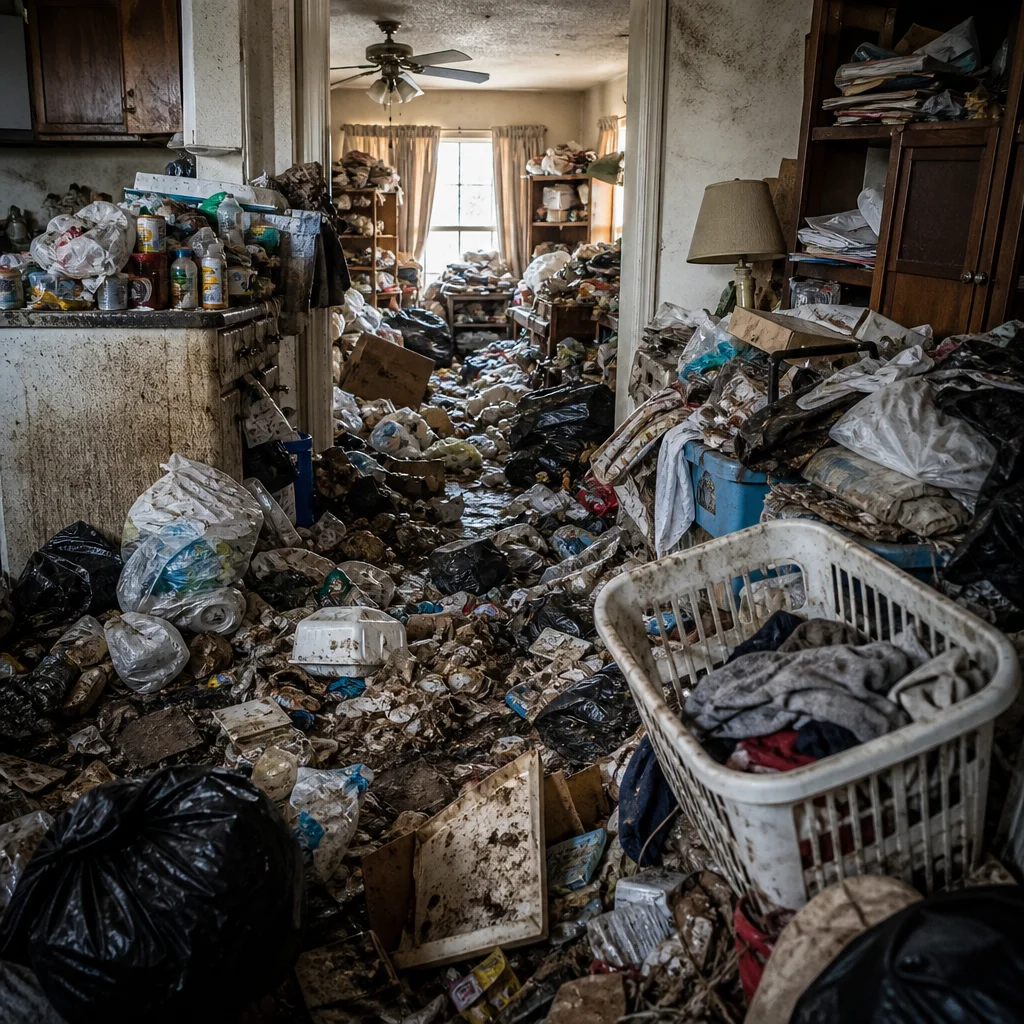
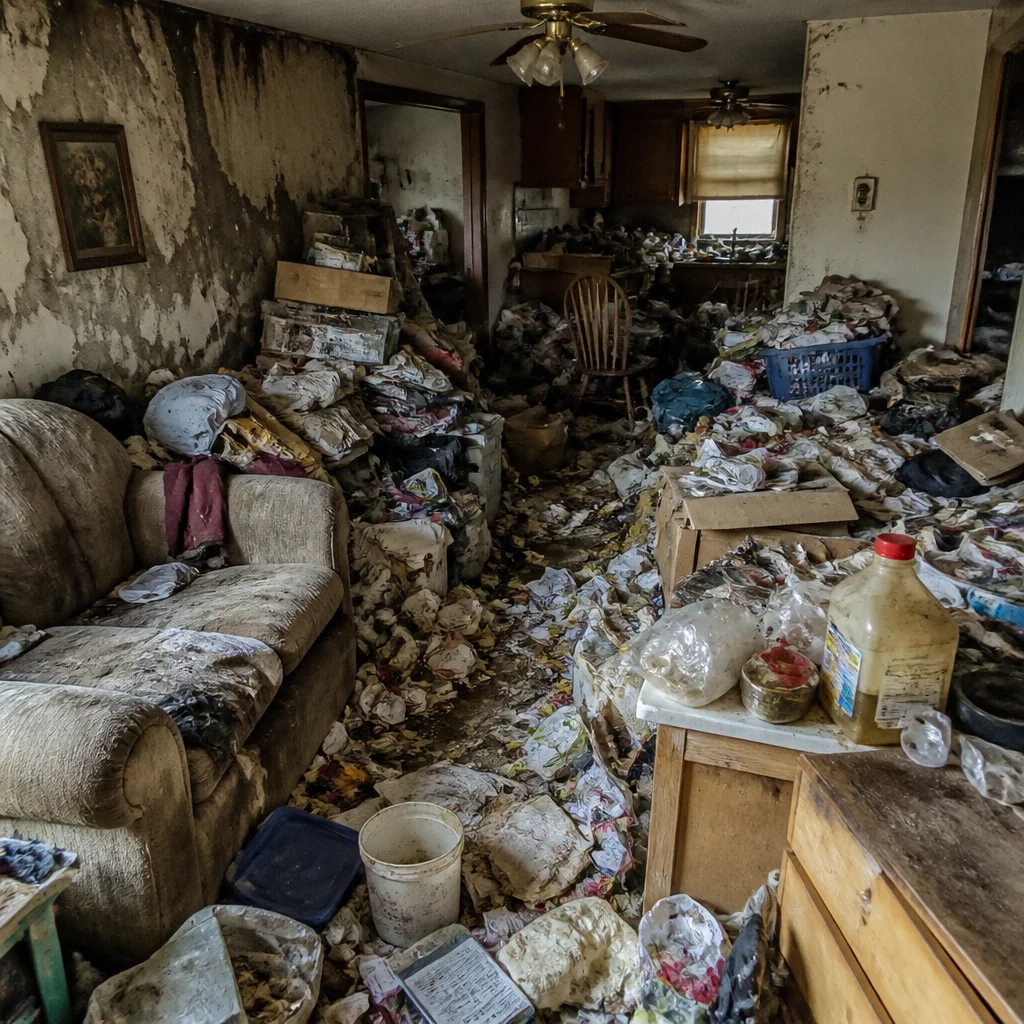
You receive a call that a parent has been hospitalized, moved to memory care, or passed away. Someone finally enters the house, and the scope becomes clear: hoarding, severe contamination, or conditions that haven’t been addressed in years. What happens next isn’t just about cleaning. It’s about resolving an estate responsibly and legally.
Property conditions don’t exist in a vacuum. When a house shows signs of biohazard contamination, hoarding, sewage damage, or animal waste, every stakeholder in the transaction needs proof that it’s been properly handled. Executors, probate courts, real estate agents, mortgage lenders, and potential buyers all want documentation that the property is safe and legally compliant before moving forward.
Without proper biohazard remediation reports, estate settlements stall. Probate can drag on for months. Real estate transactions collapse because lenders won’t approve financing for a property with known contamination. Buyers withdraw offers when inspectors flag unresolved hazardous conditions. What could have been resolved with professional documentation becomes a cascade of legal delays and lost value.
The Legal Requirements for Selling Contaminated Properties
Different jurisdictions have different rules, but the underlying principle is universal: properties with known biohazard contamination cannot legally be sold without disclosure and remediation documentation in most states and many municipalities.
Here’s what typically matters:
- Real estate disclosure laws require sellers to inform buyers of known hazardous conditions. Failing to disclose can result in buyer litigation after closing.
- Health department inspections often require written proof of remediation before a property can pass final clearance or change hands.
- Mortgage lenders won’t approve financing on properties with documented contamination until professional remediation reports demonstrate the hazard has been addressed.
- Probate courts may require evidence that inherited properties have been properly decontaminated before an estate can be closed.
When we conduct biohazard remediation, we’re not just cleaning. We’re generating the legal documentation that allows your transaction to move forward with confidence. Our reports serve as official proof that contamination has been professionally identified, contained, treated, and removed according to industry standards and state regulations.
Why Standard Cleaning Certificates Fall Short
A receipt from a general cleaning company isn’t enough. Many families mistakenly believe that hiring a standard housecleaning service and getting a general invoice will satisfy legal requirements. It won’t.
Standard cleaning certificates typically document only that a space was vacuumed, surfaces were wiped, and trash was removed. They don’t address biohazard-specific concerns. They don’t identify what contamination was present, how it was safely isolated, what protective measures were used during cleanup, what disposal method was followed, or whether the final environment meets regulatory standards.
Probate courts, health inspectors, and mortgage underwriters need technical detail. They need to know:
- What biohazards were identified during assessment
- What safety protocols were followed to protect workers
- How contaminated materials were contained and disposed of responsibly
- What testing or verification was done to confirm remediation success
- Whether the property now meets applicable health and safety codes
Our biohazard remediation reports include all of this. They’re written in a format that satisfies legal scrutiny, regulatory review, and insurance requirements. A general cleaning certificate stops at “we cleaned it.” Our documentation proves the contamination is gone and the property is safe.
What a Professional Biohazard Remediation Report Includes
When we complete a biohazard remediation project, our report becomes the definitive record of what was found, what was done, and what was verified.
Our documentation covers:
- Site assessment details: What contamination was present, where it was located, and the extent of affected areas.
- Methodology and protocols: The specific decontamination techniques used, safety equipment deployed, and industry standards followed.
- Materials and waste disposal: Documentation of what biohazardous materials were removed, how they were safely contained, and confirmation of responsible disposal through licensed facilities.
- Timeline and personnel: When work occurred, which trained technicians performed the remediation, and their qualifications.
- Before-and-after verification: Photographs, testing results where applicable, and confirmation that the property now meets safety standards.
- Regulatory compliance notes: References to applicable state and local codes, OSHA standards, or health department guidelines that were observed.
- Contact information for verification: Our company details, licensing, insurance information, and availability for inspector questions.
This level of detail transforms a cleaning service into a legal asset. Buyers and their inspectors can see exactly what happened. Probate courts have the proof they need. Lenders can approve financing with confidence.
How Our Documentation Protects Your Real Estate Transaction
Real estate transactions involving contaminated properties often fail because of documentation gaps, not because the property can’t be cleaned.
Let’s walk through a scenario: You inherit a house where a parent lived with severe hoarding and animal waste contamination. You want to sell. A real estate agent lists it. An inspector visits and documents contamination. The buyer’s lender automatically declines financing. The transaction collapses.
Now imagine the same scenario with our remediation report in hand. The real estate agent can proactively disclose the contamination and attach our professional report showing exactly how it was remediated. The buyer’s inspector reviews our documentation and confirms the work was completed to standard. The lender has written evidence that the hazard has been professionally addressed. The transaction closes.
Our documentation becomes your shield. It demonstrates transparency to buyers, provides inspectors and lenders with the verification they need, and reduces the risk of litigation post-closing. Buyers feel confident because they know what they’re inheriting. Real estate professionals can market the property accurately. Lenders can move forward.
We also provide flat-rate pricing and same-day assessments so you’re not guessing at costs. You know what remediation will cost, you get it done quickly, and you have the documentation to move your sale forward without surprises.
Using Remediation Reports to Satisfy Probate Courts
Probate can be complex enough without unresolved property issues. When an inherited property has known contamination or extreme conditions, the executor or personal representative often needs to prove to the probate court that the estate is being managed responsibly.
Our remediation reports serve probate courts in several ways:
- They provide objective evidence that the property was assessed and treated professionally, not ignored or mishandled.
- They document responsible stewardship, which protects executors from accusations of negligence.
- They support the market value of the estate by showing the property is safe and saleable.
- They create a clear record that can be included in estate documents and final accounting.
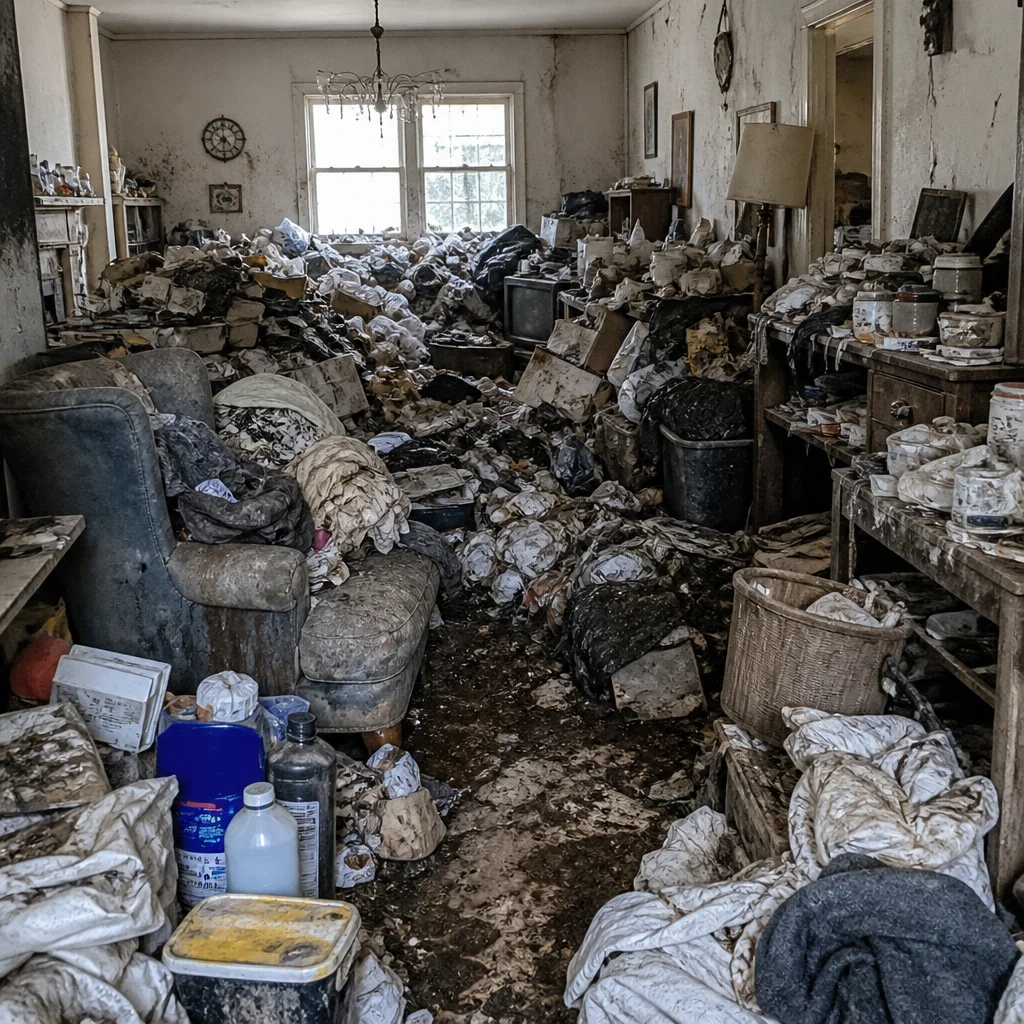
When you file your final probate accounting with our remediation report attached, the court sees a complete picture. The contamination was identified, a licensed professional handled it, and the property is now compliant and marketable. Many probate judges and attorneys tell families this kind of documentation expedites case closure rather than creating delays.
The Role of Detailed Records in Liability Protection
Liability is often overlooked until something goes wrong. If an estate is closed without proper remediation documentation, and a new owner later discovers contamination, the previous owner or estate can be held liable. If a family member was exposed to hazardous conditions and becomes ill, questions arise about who knew what and when.
Detailed remediation records protect you because they create an indisputable timeline. They show that you took action. They demonstrate that professionals handled the hazard, not amateurs or family members working in unsafe conditions.
This protection extends to families too. If a grandparent’s house had contamination and a grandchild was living there, documentation proves the hazard was addressed. It shifts liability to the professionals who should have handled it, not to relatives who were unaware of the scope.
We maintain comprehensive records of every project. Should you ever need to refer to what was done, when it was done, or who did it, that documentation exists. It’s part of our commitment to accountability and discretion.
How Our Flat-Rate Assessment Process Works
Uncertainty about cost makes everything harder. Many families delay remediation because they’re afraid of surprise expenses or don’t know where to start.
Our process is straightforward:
- You contact us for a same-day or next-day assessment. We arrive in an unmarked vehicle to maintain your privacy.
- Our technicians inspect the property comprehensively, identifying all areas of concern without judgment.
- We provide you with a flat-rate quote upfront. No surprises, no additional charges unless you request scope expansion.
- Once you approve, we schedule remediation and complete the work efficiently with a trained, professional team.
- We deliver the comprehensive remediation report that satisfies legal, regulatory, and real estate requirements.
Because we charge flat rates, you’re not paying hourly while technicians move slowly. You get transparent pricing and fast service. The documentation is included as part of our professional service, not an add-on.
Documentation Standards That Meet Inspector and Lender Requirements
Lenders and health inspectors speak the same language: compliance. They want to see evidence that work was done to recognized standards.
Our remediation reports are written to satisfy:
- ANSI (American National Standards Institute) guidelines for biohazard cleanup
- OSHA protocols for hazardous waste handling
- State health department regulations
- EPA (Environmental Protection Agency) standards for hazardous material disposal
- Local building and safety codes specific to your jurisdiction
When an inspector receives our report, they’re reading documentation from a company that understands regulatory frameworks. We’re not guessing or applying a generic template. We’re providing technical detail that inspectors can verify and lenders can rely on.
This also means your property can move from “needs remediation” to “cleared for sale” faster. Inspectors don’t waste time questioning whether our work meets standards because our documentation proves it does.
Expediting Property Sales with Comprehensive Remediation Evidence
Time is money in real estate. Every month a property sits on the market is potential equity lost to carrying costs, property taxes, and insurance. Contamination that isn’t professionally documented creates delays.
With our remediation report in hand, several things happen quickly:
- The real estate listing can include clear disclosure and proof of remediation, which attracts serious buyers and reduces inspection surprises.
- Lender underwriting moves forward faster because they have the documentation they need instead of requesting additional inspections.
- Appraisals aren’t delayed by questions about property condition or safety compliance.
- Closing timelines compress because there are no last-minute discoveries or renegotiations about contamination.
We’ve seen properties move from “unsellable” to closed in weeks instead of months, simply because professional remediation documentation resolved the uncertainty. Buyers pay more confidently. Inspectors pass quickly. Lenders approve smoothly.
Your Next Steps Toward a Resolved Estate
If you’re facing an inherited property with contamination, hoarding, or extreme conditions, the path forward starts with a professional assessment. You don’t need to understand all the legal and regulatory details yourself. We do.
Contact us for a same-day or next-day assessment. We’ll inspect the property, identify what needs to be addressed, provide a flat-rate quote, and explain exactly what our remediation report will document. Our goal is to get your property from “complicated” to “compliant” so you can move your estate settlement, probate closure, or real estate transaction forward.
We handle the technical work and the documentation. You move forward with confidence, knowing that every legal and regulatory requirement has been met and professionally verified. That’s what sets professional biohazard remediation apart from standard cleaning, and it’s why our reports matter.
Frequently Asked Questions (FAQ)
What documentation do we provide that courts and lenders actually require?
We create comprehensive biohazard remediation reports that include detailed photographic evidence, itemized scope of work, certification of hazard removal, and testing results when applicable. Our documentation meets probate court standards and satisfies lender requirements for property financing, ensuring your transaction doesn’t stall due to incomplete records. We provide this in both digital and printed formats so you have what you need for any legal or financial institution.
How does our flat-rate assessment process protect us both during the sale?
We conduct same-day assessments and provide transparent pricing upfront so there are no surprises when we begin work. Our detailed written estimate becomes part of your permanent property file, demonstrating that contamination was professionally identified and remediated before sale. This protects you from future liability claims since we’ve documented the property’s condition and our complete remediation process.
Why can’t we just use a standard cleaning certificate for a property with biohazard contamination?
Standard cleaning certificates don’t address the specific health and safety concerns that biohazard situations present, and they won’t satisfy probate courts or insurance requirements. We provide specialized documentation that proves the property is actually safe and free from contamination, not just clean. This distinction is critical when selling property or settling an estate, as it demonstrates due diligence and removes questions about hidden health risks.