Table of Contents
- 1. Understanding Hazardous Waste Classification and Your Property
- 2. Working With Certified Disposal Professionals from Day One
- 3. Documentation Requirements for Legal Protection and Insurance
- 4. Coordinating Timelines to Minimize Property Impact
- 5. Safety Protocols That Protect Your Family and Team
- 6. Cost-Effective Solutions Without Compromising Quality Standards
- 7. Post-Removal Verification and Certification Processes
- Frequently Asked Questions (FAQ)
1. Understanding Hazardous Waste Classification and Your Property
Not all debris is equal. Before anything leaves your property, you need to know what you’re actually dealing with. Hazardous waste includes bloodborne pathogens, sewage contamination, mold from water damage, chemical spills, and materials exposed to human or animal waste. Non-hazardous items might be junk, but they don’t require special handling or disposal permits.
The distinction matters enormously. Disposing of hazardous materials in a regular landfill violates environmental law. Misclassifying contamination can delay property sales, trigger health department violations, or expose workers and family members to illness.
When we first assess a property, we’re looking at several key indicators:
- Visible sewage or water damage suggesting microbial growth
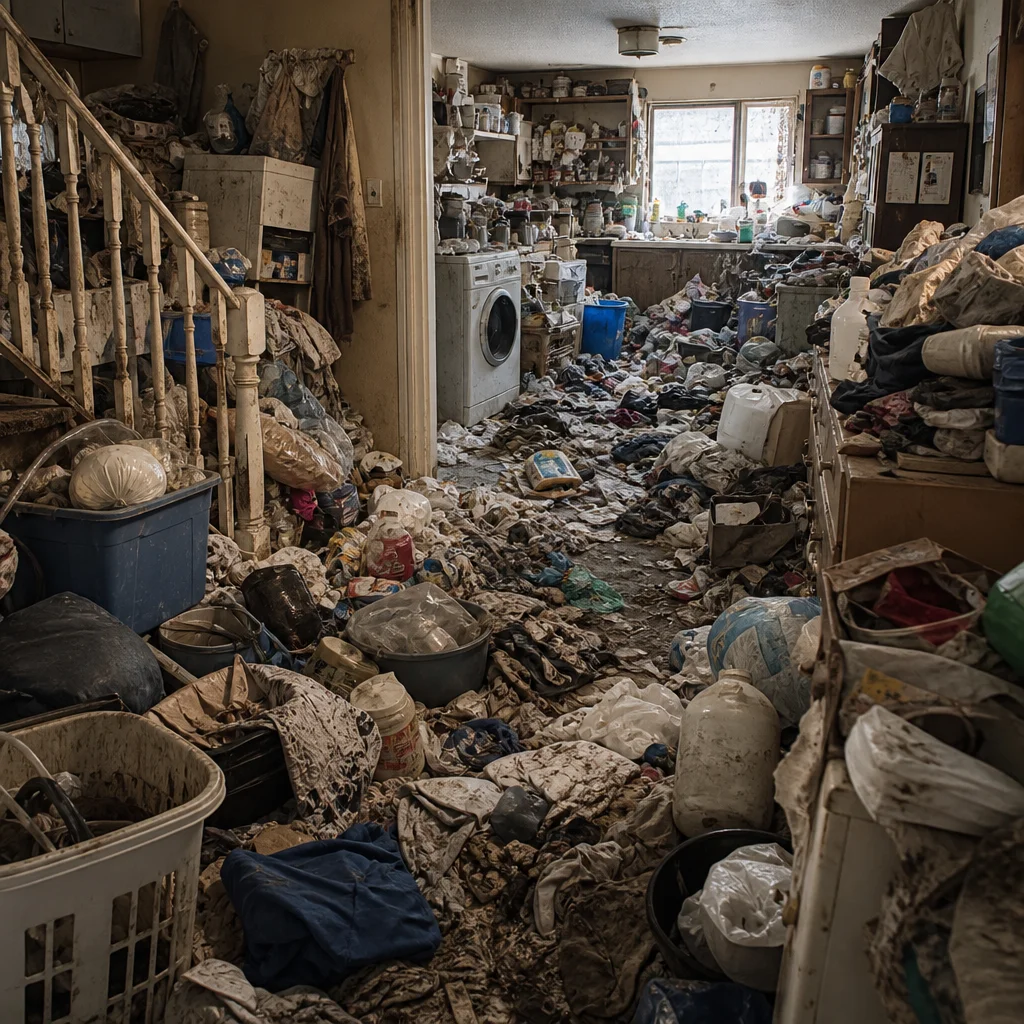
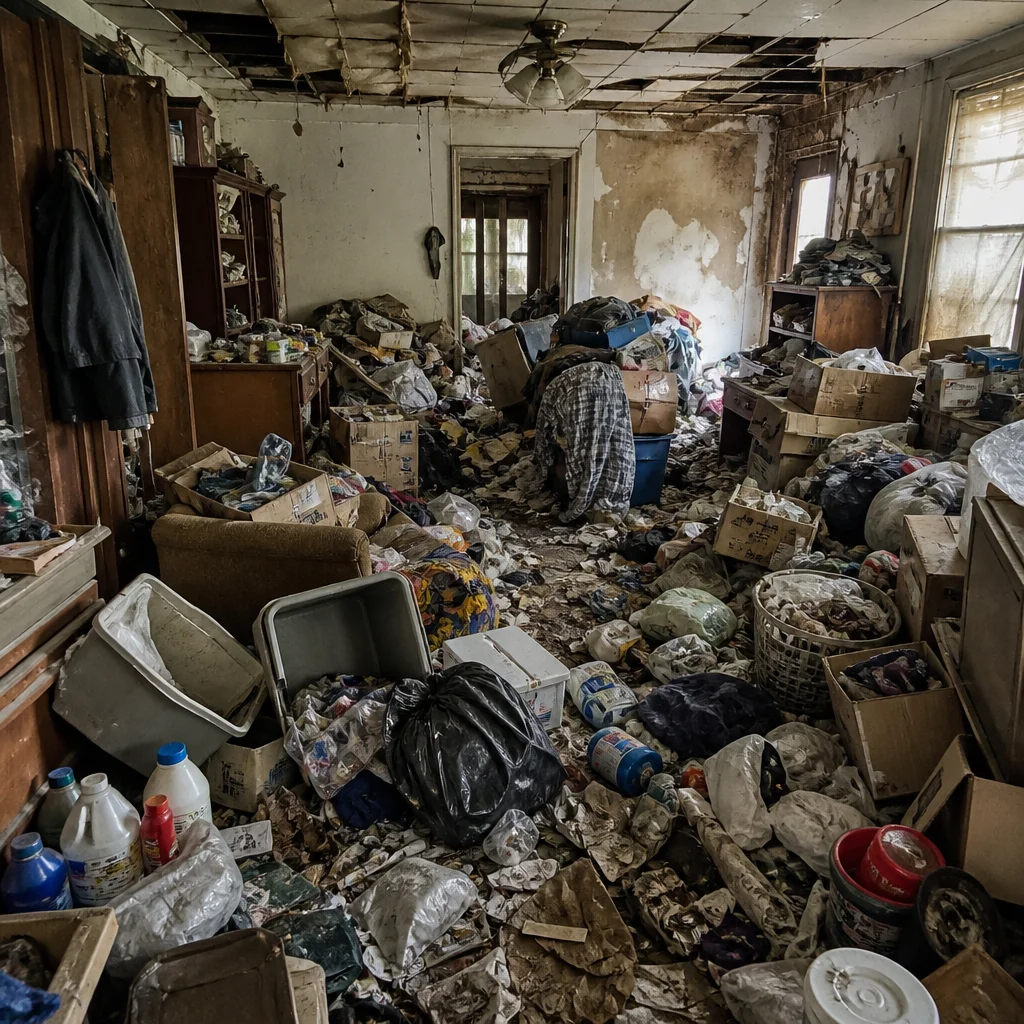
- Animal feces accumulation from hoarding situations
- Blood or bodily fluid evidence from accidents or unattended deaths
- Chemical or industrial contamination
- Mold growth patterns that suggest systemic moisture problems
- Odor intensity and source location
A proper assessment goes beyond a visual walkthrough. We document conditions, photograph affected areas, and identify materials that require specialized handling. This creates a baseline for the cleanup work ahead and protects you legally. If your property involves any of these conditions, what qualifies as hazardous material should be clearly identified before remediation begins.
Your action step: Before engaging any cleanup service, ask them to provide a written classification of what they identify as hazardous versus standard waste. This document becomes your reference for the entire project.
2. Working With Certified Disposal Professionals from Day One
This is where many families make costly mistakes. They start with a general junk removal company or try to coordinate the process themselves, only to discover halfway through that the materials they’re moving require biohazard certification, specialized vehicles, or regulatory permits. By then, money has been spent and nothing is resolved.
We handle every type of hazardous waste disposal in-house. That means the team assessing your property is the same team executing the remediation. There’s no handoff to an unknown subcontractor, no communication gaps, no fingers pointed when something goes wrong. Our technicians carry the certifications, insurance, and equipment needed for biohazard handling, sewage management, and contaminated material removal.
What does “certified” actually mean? It means:
- OSHA training in bloodborne pathogens and hazmat handling
- EPA compliance knowledge for regulated waste streams
- State and local licensing for remediation services
- Workers’ compensation and liability insurance covering biohazard work
- Proper equipment: containment supplies, personal protective equipment (PPE), decontamination stations
When you call us for a same-day assessment, we’re not kicking the problem down the road. We can often begin work immediately and provide flat-rate pricing so you know the full cost upfront. There’s no surprise invoicing after the job because the scope changed.
Certified professionals also know what permits are required before work begins, saving you from violations discovered during or after the cleanup. We coordinate with local health departments, building inspectors, or insurance adjusters as needed.
Your action step: Ask any potential service provider to show you their certifications and provide references from properties with conditions similar to yours. Call those references and ask specifically about transparency, follow-through, and professionalism.
3. Documentation Requirements for Legal Protection and Insurance
The documentation we create during remediation serves multiple purposes simultaneously: it proves the work was done correctly for insurance claims, it protects you from liability disputes, it creates a record for legal proceedings, and it becomes part of the property’s history for future sales or transfers.
Many families underestimate how critical this documentation becomes. If the estate goes to probate, if there’s a sibling dispute about whether the cleanup was necessary or appropriate, if an insurance company questions the scope of work, or if you’re selling the property and buyers want verification that hazardous conditions were properly addressed, the documentation determines everything.
Here’s what proper documentation includes:
- Pre-remediation photos and video documenting existing conditions
- Written assessment identifying hazardous materials present
- Itemized list of materials removed and disposal method for each
- Certificates of disposal from licensed waste facilities
- Post-remediation clearance tests (where applicable, such as for mold)
- Detailed invoicing that matches the scope of work described
- Air quality or pathogen clearance reports if testing was performed
We provide all of this as part of our standard process. You receive a comprehensive remediation report that’s formatted for insurance companies, real estate professionals, and legal review. Some families frame this documentation not as record-keeping but as peace of mind. If anyone questions what happened in that house, you have irrefutable proof that the work was professional and complete.
Insurance companies also appreciate detailed documentation. If you’re filing a claim related to water damage, sewage backup, or other contamination, the insurer will request evidence that the remediation met industry standards. Our reports are designed to satisfy those requirements.
Your action step: Before signing any contract, confirm that the service provider will give you a detailed remediation report with before-and-after documentation, disposal certificates, and any required clearance testing. Ask where they store copies and how long you can access them.
4. Coordinating Timelines to Minimize Property Impact
A poorly coordinated cleanup stretches across weeks, involves multiple vendor trucks coming and going at all hours, disrupts neighbors, delays property restoration, and creates logistical chaos. The family is stuck in limbo, unable to move forward with selling, renting, or occupying the space.
We coordinate the entire timeline around your circumstances, not ours. If the house needs to be sold quickly, we accelerate the schedule. If you need the work done discreetly to avoid neighborhood attention, we use unmarked vehicles and schedule work during less visible hours. If the property is unoccupied and can be sealed off during remediation, we can often complete the work in a single day or over a compressed timeframe.
The timeline depends on several factors:
- Size and severity of contamination (small apartment versus multi-room hoarding situation)
- Type of hazardous material present (biohazard cleanup takes different time than sewage remediation)
- Whether concurrent work is needed (deodorization, mold remediation, structural repairs)
- Your availability for access and decision-making
- Disposal facility schedules for receiving contaminated materials
When we provide a same-day assessment, we give you a realistic timeline and schedule. We don’t overcommit and then delay. We also coordinate around any other services you may need simultaneously, such as junk removal, repairs, or real estate inspections.
For families dealing with a hospitalization or move to assisted living, timing coordination is especially important. There’s often a narrow window when the property must be cleared, the house prepared for sale, and everything finalized before the family’s financial or legal situation changes.
Your action step: When discussing timelines with a service provider, ask them to break down the project into phases and give you specific dates for start and completion. Confirm whether they’ll provide updates as milestones are reached and who your point of contact is if something changes.
5. Safety Protocols That Protect Your Family and Team
Hazardous waste disposal isn’t just about compliance. It’s about preventing illness, injury, or exposure to your family members, our technicians, and anyone else who may be affected. Poor safety practices can result in health consequences that show up weeks or months later.
We operate under strict safety protocols that exceed OSHA requirements. Every technician wears appropriate PPE based on the contamination present. We use containment barriers to prevent cross-contamination within the property and to the surrounding environment. We decontaminate equipment and seal containers properly before transport. We never expose family members to active remediation work.
The safety protocols depend on what we’re handling:
- Biohazard work requires bloodborne pathogen training, double-bagging of materials, and biohazard transport containers
- Sewage backup cleanup involves specialized disinfection, full PPE, and disposal through licensed treatment facilities
- Mold remediation requires containment to prevent spore dispersal and air quality testing to confirm clearance
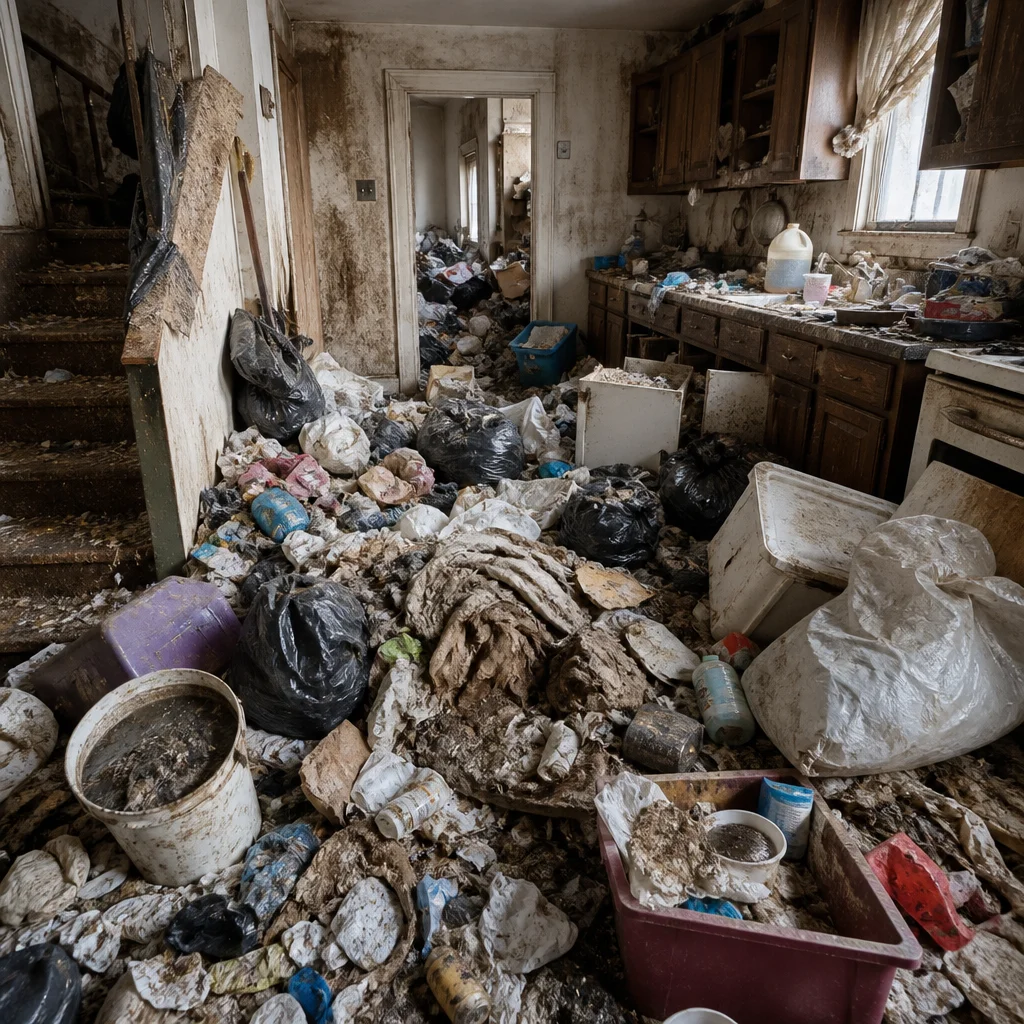
- Hoarding situations may involve animal waste, insects, or structural hazards requiring careful assessment before entry
We also assess the property itself for safety risks before we start. Is the floor structurally sound? Are there exposed electrical hazards? Is there adequate ventilation? These details determine how we approach the work and what equipment we bring.
For families with children or elderly relatives, we establish clear boundaries about access to the property during work and communicate exactly what’s happening and when. There’s no mystery, no exposure, and no surprises.
Your action step: Ask any service provider to walk you through their safety protocols before work begins. Specifically ask about PPE standards, contamination control methods, and how they protect non-working family members during the project.
6. Cost-Effective Solutions Without Compromising Quality Standards
Families often worry that professional biohazard remediation will cost tens of thousands of dollars, leaving them devastated financially or unable to move forward. That fear sometimes leads people to delay the work or attempt DIY approaches that backfire.
We use flat-rate pricing specifically to eliminate uncertainty and give you control. You know the total cost before the work begins. No hidden fees, no surprises, no hourly billing that balloons as the day progresses. This pricing model also encourages efficiency on our end because we’re motivated to complete the work correctly the first time.
Cost depends primarily on:
- The size and severity of the contamination
- The type of hazardous materials present
- Whether deodorization or additional treatments are needed
- The property’s accessibility and condition
A small apartment with moderate hoarding and animal waste costs significantly less than a three-bedroom house with extensive biohazard contamination and sewage issues. We assess each property individually and provide a quote that’s specific to your situation.
We’re also transparent about where the money goes. Disposal fees are real costs determined by licensed waste facilities. Personal protective equipment is required by law and non-negotiable. Transportation and specialized handling reflect the regulatory environment we operate in. But unlike services that overcharge for convenience, we keep labor costs fair and don’t pad the estimate with unnecessary services.
For families managing elder care transitions, estate settlements, or legal disputes, the cost of proper remediation is often far less than the legal liability or property value loss that results from cutting corners. Insurance companies sometimes reimburse portions of the work if the contamination resulted from a covered incident.
Your action step: Get written quotes from at least two qualified providers and compare what’s included. Flat-rate quotes should itemize the main cost categories. Watch for quotes that are suspiciously low, as they often indicate the provider doesn’t understand the scope or will bill you later for unforeseen issues.
7. Post-Removal Verification and Certification Processes
The work isn’t truly complete when the last truck leaves. Verification confirms that the hazardous materials are actually gone and the property is safe for reoccupancy. Without this step, you have no proof that the remediation solved the problem.
We conduct post-remediation inspections and provide clearance documentation. For certain types of contamination, this includes air quality testing or swab testing to confirm pathogen levels are below acceptable standards. For sewage or water damage, it might include moisture testing to ensure no lingering dampness that could trigger mold growth.
The verification process protects you in several ways:
- Real estate buyers gain confidence that the property has been properly remediated
- Insurance companies see documented evidence that the claim was handled correctly
- You have legal protection if anyone later claims the work was inadequate
- Future health issues can’t be linked to the property’s previous conditions because remediation is verified
Some properties require certification from local health departments or building inspectors. We coordinate these final approvals and ensure all paperwork is filed correctly. By the time you receive your final documentation, the property is genuinely ready for whatever comes next.
We also provide information about ongoing maintenance. If the property had sewage issues, we explain what drainage improvements might prevent recurrence. If hoarding conditions existed, we discuss what contributed to the problem so it doesn’t happen again if the property is occupied.
Your action step: Before you consider a remediation project complete, insist on written clearance documentation and ask whether any government inspections or certifications are required for your specific situation. Don’t pay the final invoice until you have that verification in hand.
Frequently Asked Questions (FAQ)
How do we handle hazardous waste disposal coordination to keep my family safe?
We manage every step of the disposal process ourselves, starting with a same-day assessment where we identify all hazardous materials and classify them according to environmental regulations. Our team coordinates directly with certified disposal facilities and handles all transportation and documentation, so your family never has to interact with hazmat vendors or manage compliance requirements. We use unmarked vehicles and maintain discretion throughout, ensuring neighbors or passersby remain unaware of the scope of work being performed at your property.
What documentation do we provide for insurance claims or legal purposes?
We generate detailed records of everything we remove, including photographs, itemized lists, and proper disposal certificates from certified facilities. This documentation protects you during insurance claims, estate settlements, or any legal proceedings related to the property condition. We understand these records are often critical for selling the home or resolving family matters, so we maintain thorough records that meet both legal and insurance company standards.
Why should we coordinate with you rather than managing disposal ourselves?
We handle the dangerous parts so you don’t have to, including identifying biohazards, obtaining proper permits, and ensuring compliance with local environmental laws. Many materials that appear routine (contaminated insulation, sewage-affected drywall, animal waste) require specialized disposal protocols that carry significant fines if handled incorrectly. Our flat-rate pricing means you know the total cost upfront, and our certification guarantees the work meets all regulatory standards without surprises or liability concerns for your family.